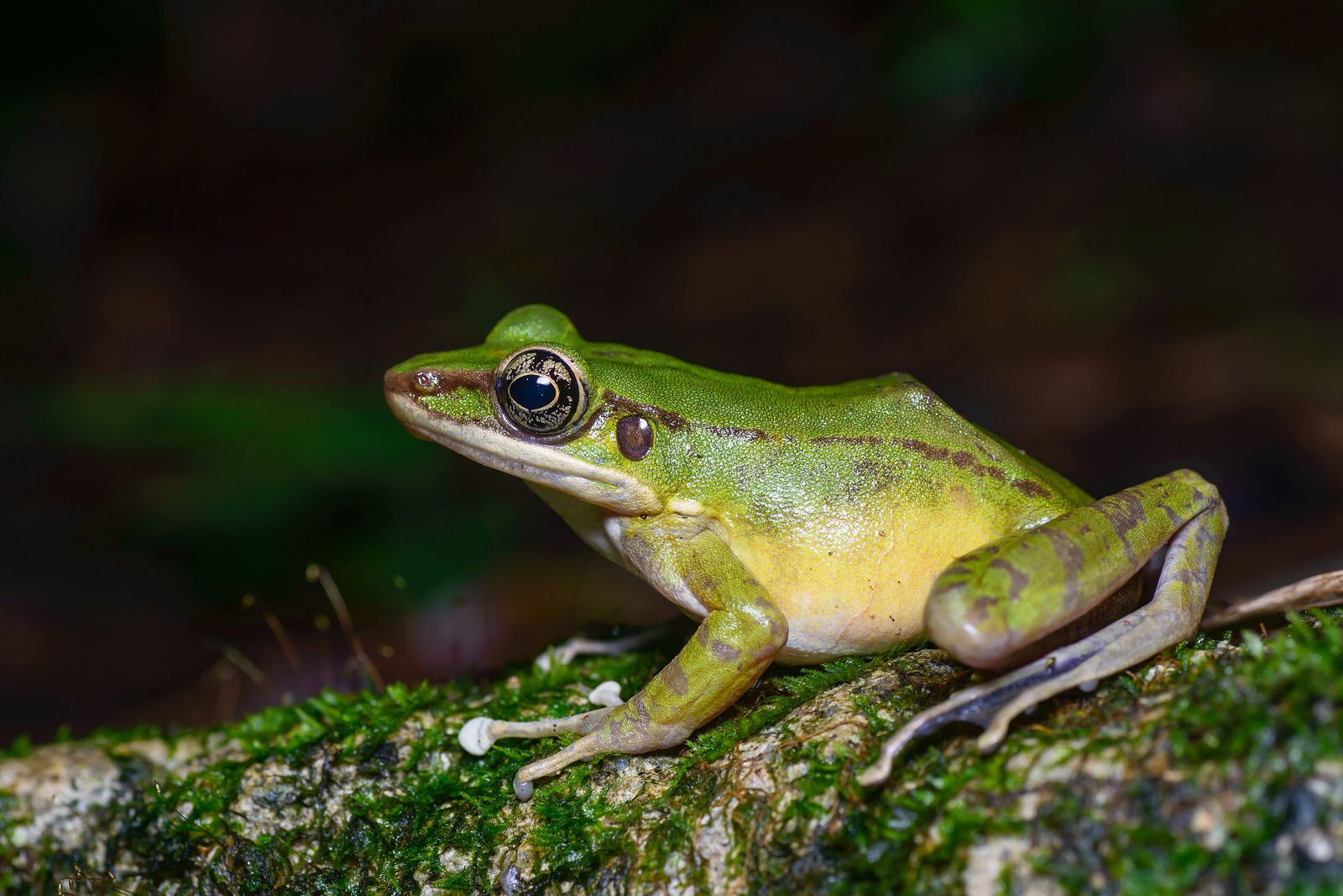
Thailand Jungle Travel Guide
Most people plan a Thailand trip around beaches and end up bolting on a jungle day trip almost as an afterthought — an elephant sanctuary morning, a waterfall stop between Bangkok and the islands. That's backwards. Thailand has three genuinely distinct rainforest regions, each with its own geography, wildlife and rhythm: the ancient, karst-studded interior of Khao Sok in the south, the cooler forested hills around Chiang Mai in the north, and the limestone jungle spilling straight into the sea around Krabi. This is a guide to building a trip around those places rather than squeezing them in around the beach.
Thailand's jungle, honestly
Thailand is a beach country in most people's imagination, and it's earned that reputation — but the peninsula and the mainland north are also genuinely forested, in ways that don't make it onto the postcards. The south holds pockets of rainforest that are estimated to be among the oldest on the planet, older than the Amazon, having escaped the ice-age climate shifts that reshaped forests elsewhere. The north is a different kind of green: cooler, hillier, terraced with rice and threaded with trekking routes through Karen and Hmong villages that have farmed these slopes for generations. And running down the Andaman coast, limestone karst towers rise straight out of turquoise water, jungle clinging to their vertical faces in a way that looks almost staged until you're standing under one.
None of this is wilderness in the untouched sense. Thailand's national park system protects real, substantial tracts of forest, but they sit inside a country of 70 million people, and the boundary between farmed land and forest is often a fence line rather than a gradient. That's not a complaint — it just means the honest way to plan a jungle trip here is region by region, matching what you actually want (deep rainforest and big mammals, cool hill trekking, or dramatic coastal karst) to the place that actually delivers it, rather than expecting one destination to do all three.
The three regions below are genuinely different enough in climate, terrain and travel logistics that most trips do better picking two than trying to force all three into one loop — more on routing that later.
The regions, and how they differ
Thailand's jungle geography splits cleanly along the country's shape: a long southern peninsula, a mountainous north, and a scatter of easier-to-reach forest closer to Bangkok in between.
Khao Sok National Park
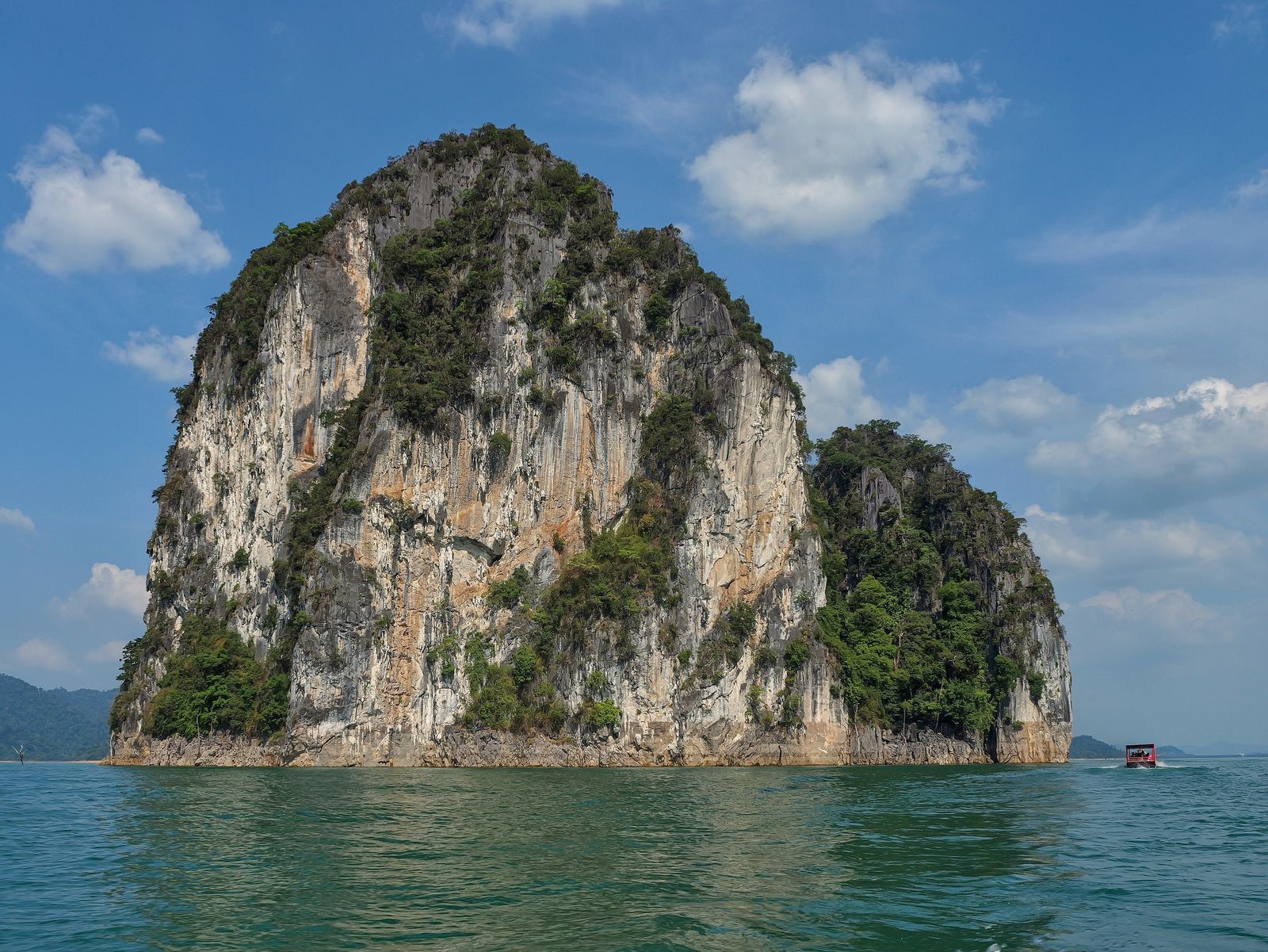
Khao Sok, in Surat Thani Province in the south, protects roughly 740 square kilometers of rainforest that botanists and ecologists regularly describe as among the oldest in the world — the forest here is thought to have survived largely intact for well over a hundred million years, sheltered from the ice-age cycles that wiped out comparable forests elsewhere. Limestone karst towers, some reaching several hundred meters, rise straight out of the canopy. At the park's heart sits Cheow Lan Lake, a reservoir created by the Ratchaprapha Dam in the early 1980s, its turquoise water dotted with karst islands and lined with floating raft-house accommodation that is, for a lot of travelers, the single most memorable stay in the country. Khao Sok also shelters the world's largest flower — Rafflesia kerrii, a leafless parasitic plant that produces an enormous, foul-smelling bloom on no predictable schedule, which means seeing one in flower is a genuine stroke of luck rather than something to plan around.
Chiang Mai and the northern hills
Chiang Mai sits in a mountainous province in Thailand's far north, and it's the base for a completely different kind of jungle: cooler, higher, and organized around multi-day treks through forested hills rather than boat rides into a reservoir. Doi Inthanon National Park, home to Thailand's highest peak at 2,565 meters, has a genuinely different climate at altitude — mossy, mist-wrapped elfin forest near the summit that feels closer to a temperate cloud forest than anything tropical. The Mae Wang and Mae Taeng valleys, both within a couple of hours of the city, combine jungle trekking with bamboo rafting, waterfalls and visits to Karen hill-tribe villages that have farmed these valleys for generations. This is also where you'll find Thailand's most reputable elephant sanctuaries — observation-and-care operations that have moved away from riding in favor of feeding, bathing and walking alongside rescued elephants.
Krabi and the Andaman karst
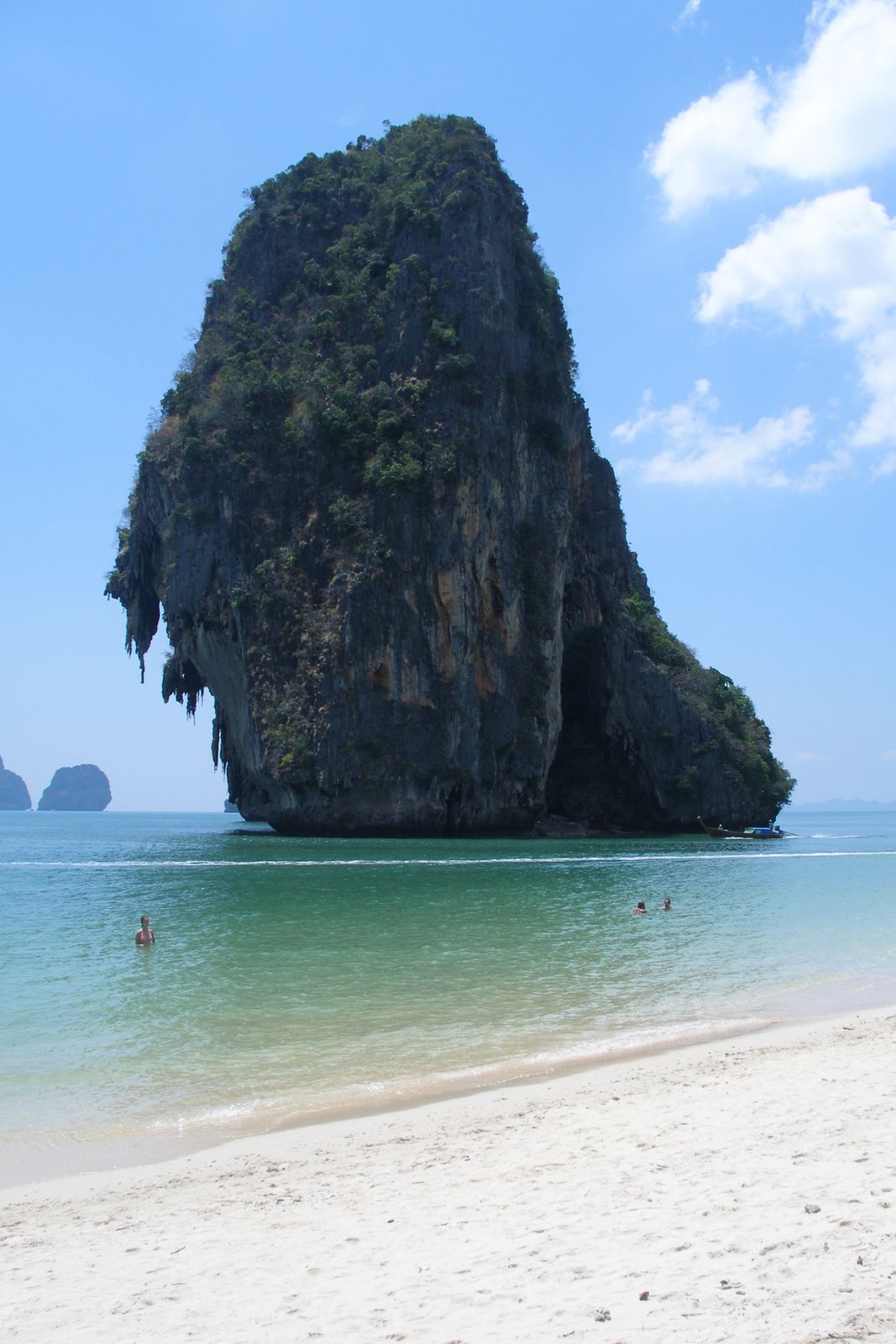
Along the Andaman coast, the jungle doesn't stop at the shoreline — it climbs straight up the limestone towers that define Krabi Province's coastline. Railay, a small peninsula accessible only by longtail boat (there's no road in, thanks to the cliffs that box it in), is the most famous example: sheer karst walls draped in forest, rising directly from white sand and warm water, and one of the most established rock-climbing destinations in Southeast Asia. Inland, Khao Phanom Bencha National Park protects denser rainforest with waterfalls and hornbill populations, and the Thung Teao Forest Natural Park is home to the Emerald Pool and Blue Pool, freshwater springs set inside dense jungle a short drive from Krabi Town. This region is where jungle and beach genuinely overlap rather than competing for your itinerary.
Khao Yai, the easy option near Bangkok
If your trip doesn't stretch far enough to reach the south or the north, Khao Yai National Park is worth knowing about. It's part of the Dong Phayayen–Khao Yai Forest Complex, a UNESCO World Heritage Site, and sits close enough to Bangkok — roughly three hours by road — to visit as a long day trip or, better, an overnight. It's Thailand's oldest national park and one of the country's best for spotting wild elephants and gibbons without the logistics of a longer trip south or north.
When to go
Thailand's weather doesn't run on one calendar. The south's Andaman coast, the Gulf coast, and the mainland north each follow a different monsoon pattern, and getting this wrong is the single most common planning mistake for a multi-region trip.
- The north (Chiang Mai, Doi Inthanon): the cool, dry season from roughly November through February is the best window for trekking — clear skies, comfortable daytime temperatures and genuinely cold nights at altitude on Doi Inthanon. March through May turns hot, and February through April is also "burning season" in parts of the north, when agricultural burning creates heavy smoke haze that can affect air quality and views for weeks at a stretch — worth checking current conditions if you're traveling in that window. The wet season, roughly June through October, brings the hills back to vivid green and thins out the trekking crowds, with rain generally arriving in afternoon bursts rather than all-day washouts.
- Khao Sok and the Andaman coast (Krabi, Railay): the dry season runs roughly November through April, with December through March the most reliably clear and popular. The wet season, May through October, brings heavier rain and rougher seas, which can affect boat access to Railay and to the floating bungalows on Cheow Lan Lake during the wettest stretches — trails also get muddy and leech-prone. It's cheaper and quieter, and the forest is at its most lush, but pack for rain and flexible plans.
- The Gulf coast side of the south (relevant if you're combining a Khao Sok trip with the Samui archipelago): runs roughly opposite to the Andaman coast, with its wettest months typically October through December — worth knowing if your route touches both coasts.
The practical upshot: November through February is the closest thing Thailand has to a single best window that works reasonably well across all three jungle regions at once. If you can only travel outside that window, lean toward whichever single region suits your itinerary and expect the trade-offs above rather than fighting them.
Good to know
If you're stitching Thailand into a longer Southeast or South Asia jungle trip, the seasonal overlap is worth mapping before you book flights — our Sri Lanka guide and Bali guide both cover when those destinations line up against Thailand's dry season, since the three don't always sync.
Getting there and getting around
Bangkok is the hub for almost every route into Thailand's jungle regions, whether you fly into Suvarnabhumi Airport (BKK), the main international gateway, or Don Mueang (DMK), which handles most of the budget domestic and regional carriers. From there, each jungle region has its own onward route.
For Khao Sok: the nearest airport is Surat Thani (URT), roughly a 90-minute drive from the park entrance, with regular domestic flights from Bangkok on carriers including Thai AirAsia, Nok Air and Bangkok Airways. Overnight VIP buses and the State Railway of Thailand's southern line are cheaper, slower alternatives, and many travelers arrive via a transfer arranged through their accommodation, since Khao Sok's park entrance and the Cheow Lan Lake pier are both a fair distance from the nearest train or bus station.
For Krabi and Railay: Krabi International Airport (KBV) has direct domestic flights from Bangkok and a growing number of regional international routes. From Krabi town or the airport, Railay itself is reachable only by longtail boat from Ao Nang or Krabi Town's pier — there is no road, which is precisely why the cliffs stayed undeveloped long enough to become a climbing destination.
For Chiang Mai: Chiang Mai International Airport (CNX) has frequent domestic flights from Bangkok (around an hour) and a number of direct regional international connections, making it the most straightforward of the three to reach. From the city, trekking operators typically handle transport into the Mae Wang, Mae Taeng and Doi Inthanon areas as part of a tour; a rented car or motorbike also works for Doi Inthanon specifically, since it's a well-signed, paved route from the city.
Within each region, getting around independently means songthaews (shared open-back pickup trucks that function as informal buses), tuk-tuks for short hops, and rented scooters or cars for more flexibility — though see the safety section below before deciding to self-drive. For jungle-specific access — the boat to a Khao Sok floating bungalow, the longtail to Railay, a guided trek out of Chiang Mai — most travelers book through their accommodation or a local operator rather than trying to arrange logistics independently, and it's usually not meaningfully more expensive to do so.
Where to stay
Thailand's jungle accommodation ranges wider than almost anywhere else on this site's directory, from open-air bamboo rooms to serious eco-lodges, and where you base yourself should follow the region, not the reverse. Khao Sok is famous specifically for its floating bungalows on Cheow Lan Lake — raft houses moored on the water, reachable only by boat, ranging from simple bamboo rooms to private en-suite platforms — alongside jungle lodges closer to the park entrance for travelers who'd rather not commit to a lake stay. Krabi and Railay run from simple beach bungalows to full resorts, with the appeal being proximity to both the karst and the water rather than deep forest immersion. Chiang Mai's jungle stays cluster around the trekking valleys — Mae Wang and Mae Taeng especially — with a mix of hill-tribe homestays arranged through trekking operators and standalone lodges for travelers who want a forest base without a multi-day trek attached.
For a shortlist of vetted stays across all three regions, see our Thailand destination page, or browse the full directory if you're still comparing Thailand against other jungle destinations.
Thailand isn't one jungle. It's three completely different ones stitched together by a beach reputation — and the trip gets much better once you stop trying to force them into the same itinerary.
The best things to do
The list below skews toward the three core regions, with a nod to Khao Yai for travelers working with limited time near Bangkok.
- Stay a night on Cheow Lan Lake: the floating bungalows are the single most distinctive jungle experience in the country — wake up on the water surrounded by karst towers, with a private kayak to explore the shoreline before the day-trip boats arrive.
- Take a Khao Sok night safari: much of the park's wildlife is nocturnal, and a guided night walk or boat trip is genuinely the best way to see anything beyond birdlife and macaques.
- Trek Doi Inthanon's Kew Mae Pan trail: a roughly two-hour loop through mossy, high-altitude forest near Thailand's highest point, typically done with a local guide (required for parts of the trail), ending at viewpoints across the surrounding hills.
- Visit an ethical elephant sanctuary near Chiang Mai: look specifically for operations built around observation, feeding and bathing rather than riding — the shift away from elephant riding has been a real and welcome change in the region over the past decade, and it's worth asking direct questions about an operator's practices before booking.
- Trek to a Karen hill-tribe village in the Mae Wang or Mae Taeng valley: multi-day treks combine jungle walking, bamboo rafting and an overnight homestay, and are the best way to see how these valleys are actually farmed and lived in rather than just photographed.
- Take a longtail to Railay: even a day trip from Ao Nang or Krabi Town is worth it for the karst alone — climb if you're inclined, or just walk between Railay's two beaches under the cliffs.
- Swim the Emerald Pool and Blue Pool: freshwater springs inside the Thung Teao Forest Natural Park near Krabi, set in dense jungle a short walk from the parking area — go early to beat the tour-bus crowds.
- Add Khao Yai if your route passes near Bangkok: a night safari or early-morning drive here has a genuine shot at wild elephants and gibbons, without the travel time of the south or north.
The wildlife you'll actually see
Set expectations by region, because Thailand's jungle wildlife is real but genuinely elusive, and no operator can promise sightings of the big, headline species.
Khao Sok has one of the most complete rainforest ecosystems left in Thailand. Asian elephants, gaur (a large wild bovine), tapirs, several species of gibbon and hornbill, and even a small population of tigers live in the park, though tigers in particular are rarely if ever seen by visitors — the forest is dense and the animals genuinely wild rather than habituated. What you're actually likely to see on a guided walk or a night safari is birdlife (hornbills especially), macaques, and if you're fortunate, a gibbon troop calling at dawn — one of the most recognizable sounds of Southeast Asian rainforest. Around Cheow Lan Lake, look for monitor lizards along the shoreline and, at dusk, bats emerging from the karst caves in large numbers.
The northern hills around Chiang Mai are lighter on dramatic wildlife and heavier on birdlife and the managed elephant populations at sanctuaries — genuinely rescued animals rather than wild ones, which is the point of visiting an ethical operation rather than expecting a wild encounter. Around Krabi and Railay, expect long-tailed macaques (keep food and loose items secured, as with any macaque-populated site in Thailand), monitor lizards, and hornbills in the denser inland forest at Khao Phanom Bencha.
Khao Yai, closer to Bangkok, is one of the more reliable places in the country to see wild Asian elephants and white-handed gibbons, along with hornbills, and it's worth prioritizing specifically for wildlife if that's the main goal of your trip and time is limited.
Costs and budgeting
Thailand remains inexpensive by international standards, though the jungle-specific stays — particularly Khao Sok's floating bungalows — sit at a premium relative to standard guesthouse accommodation elsewhere in the country, simply because of the boat-access logistics involved.
Entry requirements have been in flux through 2026: Thailand's long-running 60-day visa-exempt scheme for many nationalities is being scaled back, and the separate Visa on Arrival list is being trimmed to a much smaller number of eligible countries, with a standard VOA fee historically around 2,000 baht. Given how actively these rules are changing, check your specific nationality's current requirement on Thailand's official e-visa portal shortly before you travel rather than relying on older guidance — this is one area where a two-year-old blog post can be flatly wrong.
Day to day, a simple noodle or rice dish from a street vendor runs a couple of dollars; a sit-down restaurant meal is typically somewhere in the $4–10 range. Basic guesthouses can run under $20 a night; a comfortable mid-range jungle lodge or resort room is commonly somewhere in the $40–90 range, and Khao Sok's floating bungalows span a wide range from simple shared-bathroom rafts to private luxury platforms well above that. A multi-day Chiang Mai trek with a hill-tribe homestay, meals and a guide included is usually bundled as a package rather than priced item by item, and tends to be good value relative to arranging the same logistics independently. National parks — Khao Sok, Khao Yai and others — charge a dual-pricing entrance fee, with foreign visitors paying more than Thai nationals; budget roughly a few hundred baht per person per park as a general rule of thumb, plus any boat or transport add-ons specific to that park. Domestic flights between Bangkok and the regional airports are often cheap enough, especially booked ahead, that they beat the time cost of an overnight bus for travelers working with limited time.
Health, safety and practical tips
Thailand is an easy country to travel in, which is exactly why a few real risks catch people off guard.
Water and food: tap water isn't safe to drink; stick to bottled or filtered water, which is sold everywhere and cheap. Street food is generally safe and excellent if you follow the usual rule of eating where there's a steady stream of local customers and visibly fresh turnover.
Mosquito-borne illness: dengue fever is present in Thailand, including in jungle and rural areas, and there's no vaccine widely recommended for typical travelers, so mosquito repellent and covering up at dawn and dusk matter more than they might feel like they should. Malaria risk in the country is generally low and concentrated in specific border-forest areas rather than the main tourist regions covered in this guide, but it's worth a direct conversation with a travel clinic about your specific itinerary, especially if you're spending extended time deep in Khao Sok.
Leeches: a genuine, if minor, annoyance on wet-season jungle treks in all three regions — they don't transmit disease, but they're an unpleasant surprise if you're not expecting them. Long socks tucked into boots and a willingness to check periodically solve the problem.
Scooters and roads: road traffic injuries, disproportionately involving rented scooters, are consistently among the most common serious mishaps for travelers in Thailand. An international driving permit alongside your home license is legally required and matters practically too, since riding without one can void travel insurance in the event of an accident. Mountain roads around Chiang Mai and Doi Inthanon in particular involve real elevation change and switchbacks — inexperienced riders are better off hiring a car with a driver for those routes.
Travel insurance: get real coverage before you go, and check that it explicitly covers activities you're likely to do — trekking, kayaking, and if relevant, rock climbing at Railay. Boat transfers to floating bungalows and Railay itself are generally safe and routine, but they're still open-water crossings, and it's worth a policy that doesn't quietly exclude them.
Elephant encounters: only visit sanctuaries that are explicit about not offering riding and that let you observe how the elephants are actually kept, rather than taking marketing claims at face value. This is a genuinely improved landscape compared to a decade ago, but the bad operators haven't disappeared, just gotten better at using the right words on their websites.
Seasonal haze: if you're in the north between roughly February and April, check current air-quality conditions before committing to strenuous trekking — the region's agricultural burning season can produce smoke haze severe enough to affect both views and comfort for extended stretches.
A suggested route
Two weeks is a realistic minimum to cover all three core regions without feeling rushed given the internal flight or long-transfer time between them; ten days works if you pick two of the three.
- Days 1–2: arrive in Bangkok, adjust to the time zone, and if your schedule allows, take a day trip or overnight to Khao Yai for an early wildlife-focused introduction to Thai rainforest before heading further afield.
- Days 3–5: fly to Surat Thani and transfer into Khao Sok. Spend at least one night on a Cheow Lan Lake floating bungalow, with a night safari and a full day around the park itself.
- Days 6–8: move south to Krabi. Base in Ao Nang or Krabi Town, day-trip or overnight to Railay, and add the Emerald Pool and Khao Phanom Bencha if time allows.
- Days 9–10: fly back through Bangkok and on to Chiang Mai.
- Days 11–13: a multi-day trek through the Mae Wang or Mae Taeng valley with a hill-tribe homestay, plus a day dedicated to Doi Inthanon and the Kew Mae Pan trail.
- Day 14: fly home from Chiang Mai, or route back through Bangkok if your international flight requires it.
If you're building a longer Southeast or South Asia jungle trip, several JungleBnB readers pair Thailand with Bali or Sri Lanka's hill country on the same loop — worth checking the seasonal overlap before you lock in flights, since none of the three run on quite the same calendar.
Common questions
Is Khao Sok worth the extra travel compared to staying near Bangkok?
Yes, if genuine rainforest and a distinctive stay are the goal. Khao Sok protects some of the oldest rainforest on the planet and offers the floating-bungalow experience on Cheow Lan Lake that nothing near Bangkok replicates. If time is short, Khao Yai is a reasonable substitute closer to the capital, but it's a different, smaller-scale experience.
Can you combine Chiang Mai, Khao Sok and Krabi in one trip?
Yes, but budget at least ten to fourteen days given the internal flight or long-transfer time between the north and the south. Two of the three regions in seven to ten days is more comfortable than rushing all three.
Do I need a visa to visit Thailand?
It depends on your nationality, and the rules have been actively changing through 2026, including cuts to the visa-exempt stay length and the list of countries eligible for Visa on Arrival. Check the official Thailand e-visa portal for your specific nationality shortly before you travel rather than relying on older information.
Is it safe to trek in Thailand's jungle regions?
Yes, with normal precautions. Guided treks around Chiang Mai and Khao Sok are well established, and the more common real risks are dengue mosquitoes, leeches on wet-season trails, and scooter accidents on the road rather than anything related to wildlife.
What's the best single region if I only have a few days?
Khao Sok if you want the most complete rainforest experience and are willing to fly south; Chiang Mai if you'd rather combine jungle trekking with culture, food and an easier-to-reach base; Krabi if you want jungle and beach in the same few days.
Will I actually see elephants or tigers in the wild?
Wild tiger sightings in Khao Sok are extremely rare even for experienced guides. Wild elephant sightings are possible but not guaranteed in Khao Sok and more likely in Khao Yai. For a reliable elephant encounter, an ethical sanctuary near Chiang Mai — with rescued rather than wild animals — is the realistic option most travelers actually get.
Where to go from here
Thailand rewards picking two of its three jungle regions and giving each real time rather than trying to compress all three into a beach-trip add-on. Start with our Thailand destination page for a shortlist of vetted stays across Khao Sok, Chiang Mai and Krabi, or browse the full directory if you're still deciding between Thailand and somewhere else. If you're building a longer trip around this kind of travel, our guides to Bali's jungle and Sri Lanka's rainforest and hill country cover two destinations often paired with Thailand on the same itinerary, and our roundup of the best jungle Airbnbs in the world is a good next stop if you're comparing regions before you commit to one.
- Much Better Adventures — A Guide to Khao Sok National Park — park size, forest age, Cheow Lan Lake and floating bungalow details.
- Khao Sok Lake — Floating Bungalows & Raft Houses Guide — Cheow Lan Lake accommodation, boat access and activities.
- Chiang Mai Trekking — Karen Eco-Trekking, Doi Inthanon & Elephant Sanctuary — Mae Wang/Doi Inthanon trekking routes and hill-tribe village visits.
- PM Tours — Trekking in Chiang Mai: The Complete Hiking Guide — Mae Tang and Mae Wang trekking areas, Doi Inthanon elevation and Kew Mae Pan trail.
- Official Thailand Electronic Visa Portal — current e-visa application process.
- The Thaiger — Thailand Visa Requirements 2026: Complete Entry Guide — 2026 changes to visa-exempt stay length and Visa on Arrival eligibility.
- EY Tax News — Thailand Revises Its Visa Exemption and Visa on Arrival Policies — Cabinet approval and rollout timeline for 2026 visa policy changes.
- UNESCO World Heritage Centre — Dong Phayayen–Khao Yai Forest Complex — Khao Yai National Park's World Heritage status and ecosystem.
More from the Journal.
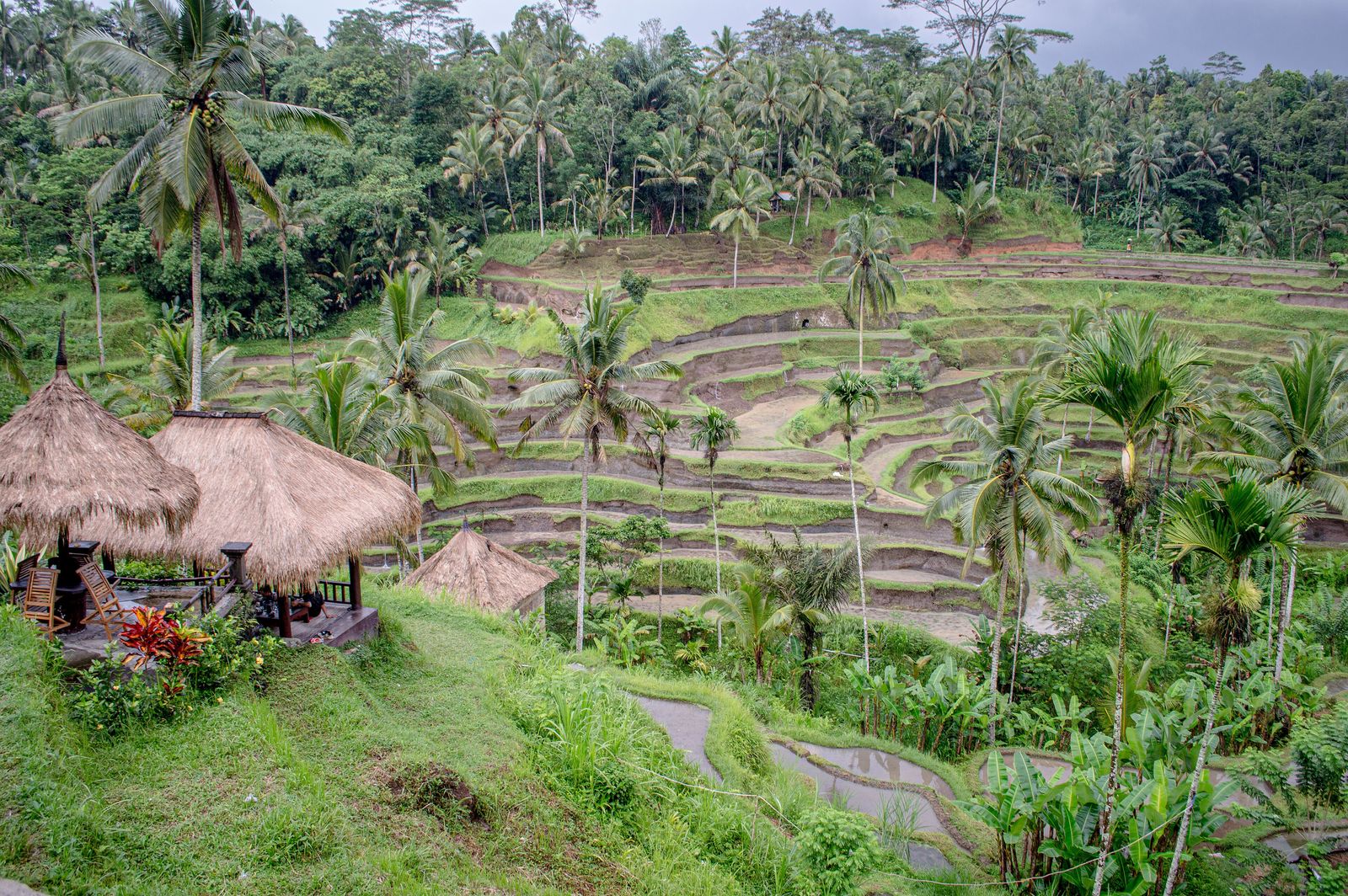 Photo: Philip Nalangan, CC BY 4.0
Bali Jungle Travel Guide
Everything you need to plan the interior of Bali — Ubud, Sidemen and the northern highlands — where to stay in the jungle, when to go and what it actually costs.
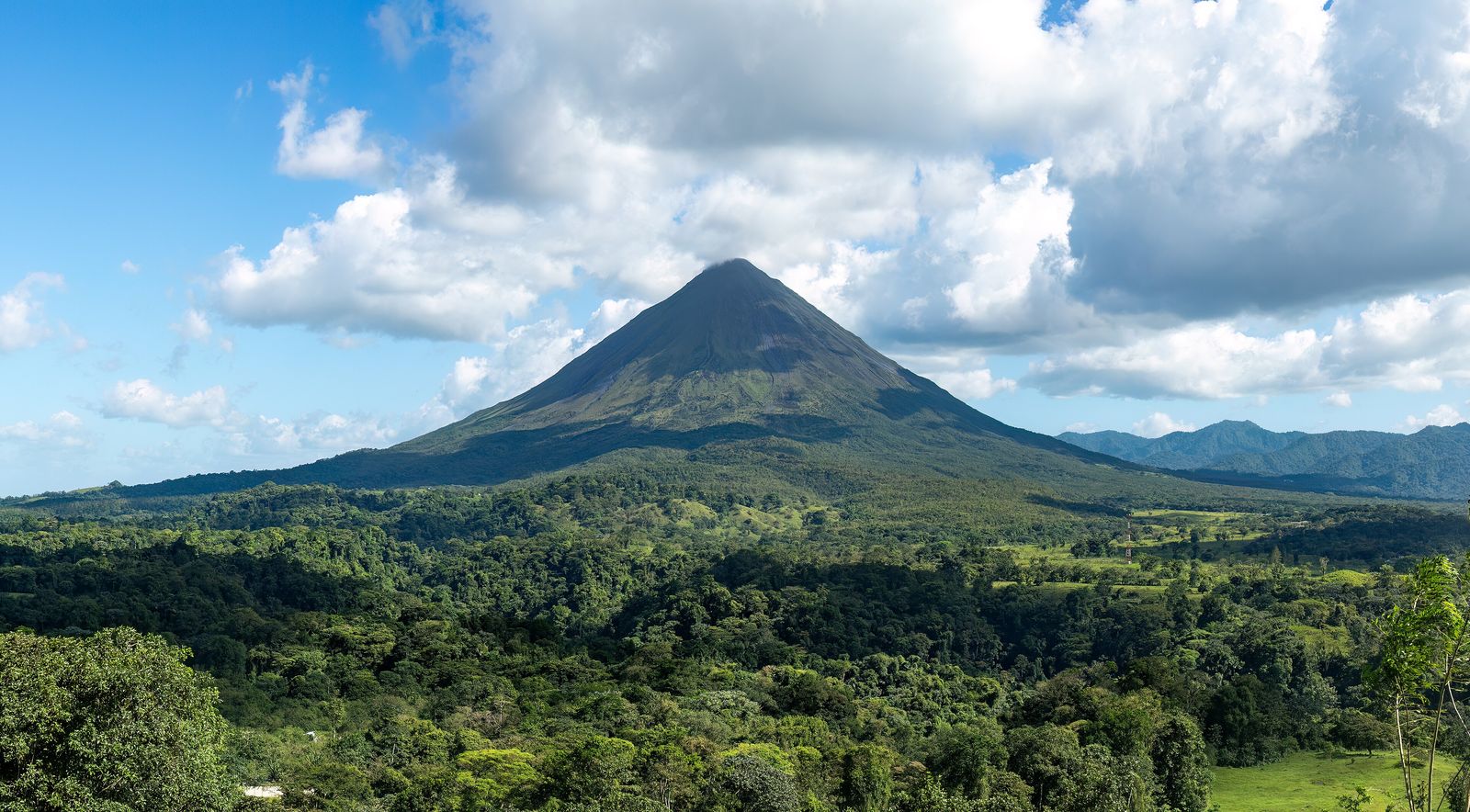 Photo: Rhododendrites, CC BY-SA 4.0
Costa Rica Rainforest Travel Guide
The definitive guide to Costa Rica's rainforests — cloud forest, Pacific lowlands and the wild Osa Peninsula — with where to stay and when to go.
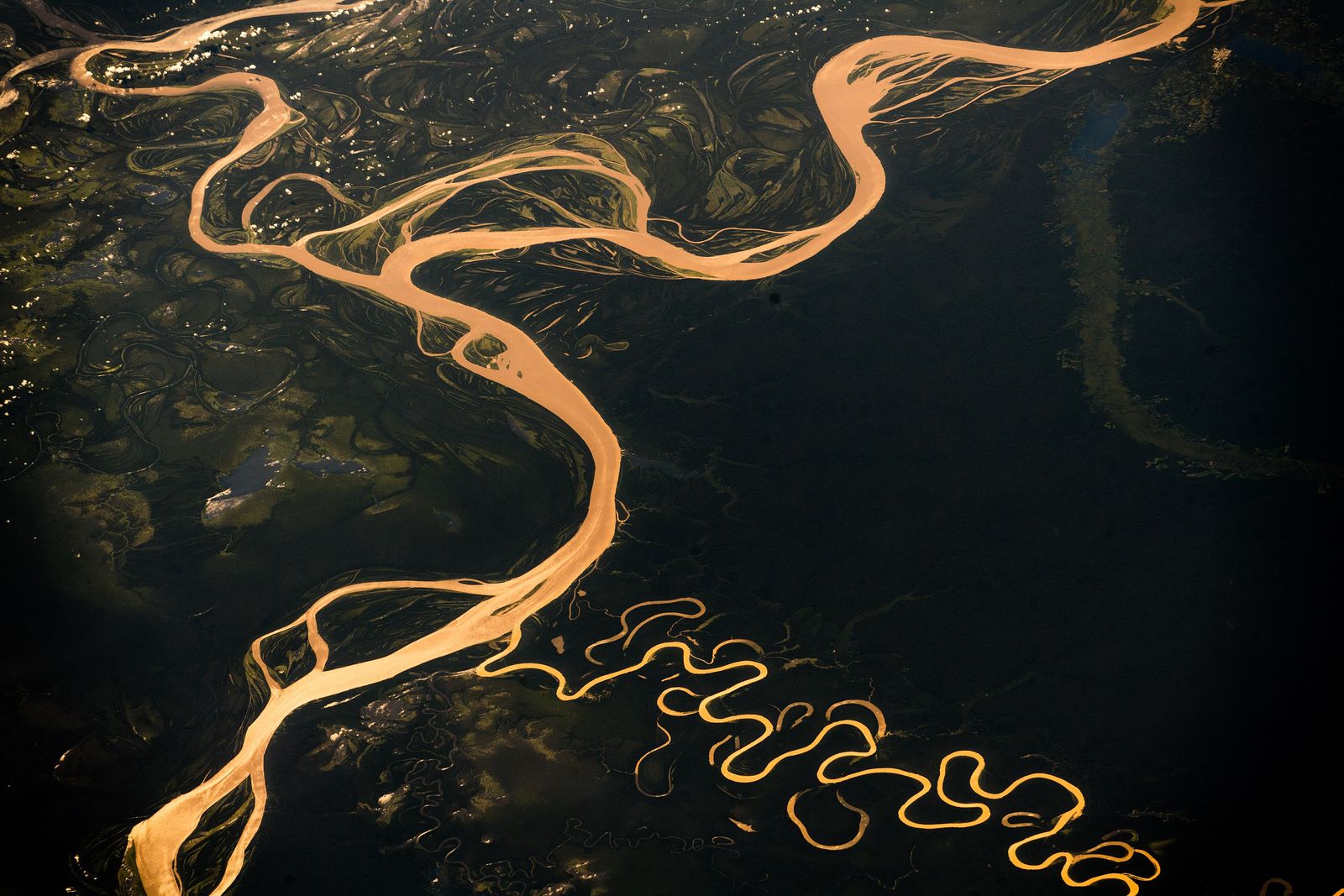 Photo: Alexander Gerst, CC BY-SA 2.0
The Amazon Rainforest: A Traveler's Guide
How to actually visit the Amazon — Brazil, Peru, Ecuador and Colombia — which gateway city, which lodge, and what a trip into the world's largest rainforest is really like.
 Photo: Derek Ramsey (Ram-Man), CC BY-SA 4.0
Find your own piece of the canopy.
Treehouses, bamboo houses and rainforest villas across 17 destinations — found, vetted and written up honestly.
Browse all destinations