Sri Lanka Rainforest & Hill Country Guide
Sri Lanka packs an almost absurd range of terrain into an island you could drive across in a day: lowland rainforest holding leopards and endemic blue magpies in the southwest corner, a highland plateau of tea estates and cloud forest running down the spine of the country, and a dry, scrubby south and east where the safari jeeps go looking for elephants and the island's famous leopards. It's not one green blur — it's several distinct ecosystems stitched together by winding roads and one of the more scenic train lines anywhere, and this guide covers how the pieces fit: Sinharaja's rainforest, the hill country's tea and cloud forest, and the dry-zone parks where the wildlife is, plus honest advice on when to go, how to get around, and where to base yourself.
Sri Lanka's rainforest, honestly
Sri Lanka is small — about 65,600 square kilometers, roughly the size of Ireland or West Virginia — and that compactness is the whole appeal. You can breakfast in a rainforest, sleep in a tea estate, and stand ankle-deep in a river where elephants cross, all inside a week, without ever boarding a domestic flight. That density is unusual, and it means the country rewards slow, deliberate travel more than a mad dash between highlights.
The honest complication: "jungle" gets used loosely here, and it covers two genuinely different things. The southwest of the island — what geographers call the wet zone — holds true tropical rainforest, closed-canopy, humid, rain likely most days of the year. Sinharaja, in that wet zone, is the country's largest and most intact surviving block of it, a UNESCO World Heritage Site and biosphere reserve. The south and east of the island — the dry zone — is a different biome entirely: monsoon forest and scrub jungle, deciduous through the driest months, thinner canopy, more open ground. That's the terrain of Yala and Wilpattu, the parks people mean when they say they're going on safari here. Neither is a lesser version of the other; they're different forests with different wildlife, and conflating them is how visitors end up disappointed expecting elephants in Sinharaja or expecting a rainforest canopy at Yala.
There's a reason so little of the original wet-zone rainforest survives. Coffee, then tea, arrived with British colonial planters in the mid-19th century, and the plantation economy that followed cleared enormous stretches of the southwest's forest to make room for the hillside estates that still define the landscape around Nuwara Eliya and Ella today. Sinharaja escaped large-scale clearing partly through its own difficult terrain and partly through a conservation push in the 20th century that culminated in its 1988 UNESCO listing. What's left is a genuinely wild fragment rather than a manicured park, and it's treated that way — a registered guide is mandatory to enter, which is a real constraint worth planning around rather than a formality.
Above the wet-zone rainforest, the island's central highlands add a third, cooler layer: cloud forest and open montane grassland collectively protected, alongside Sinharaja, under the Central Highlands of Sri Lanka UNESCO World Heritage Site — a designation that also covers Horton Plains National Park and the Peak Wilderness Sanctuary around Adam's Peak. It's this vertical range, from steaming lowland rainforest to misty 2,000-meter tea country to dry monsoon scrub, that makes Sri Lanka feel like several countries layered into one, connected by a rail line that's genuinely one of the best ways to see any of it.
The regions, and how they differ
Six areas do most of the work in this guide. Picking three or four of them, rather than trying to string together all six, is the difference between a trip that breathes and one that's all transfers.
Sinharaja and the wet-zone rainforest
Sinharaja Forest Reserve sits in the far southwest, a block of primary and secondary lowland rainforest reached through one of three entrances: Kudawa, the main and most-used gateway on the reserve's northern edge; Pitadeniya, near the town of Deniyaya on the southern side, generally quieter and paired with more comfortable nearby stays; and Morningside, near Rakwana, the least visited of the three. A registered guide is mandatory at every entrance, both for safety — leeches, uneven terrain, the odd snake — and because an untrained eye will walk straight past most of what makes Sinharaja worth the trip: mixed-species bird flocks, endemic monkeys, and a canopy so dense that the trail can feel like walking through actual green weather.
The hill country: tea, cloud forest and the highlands
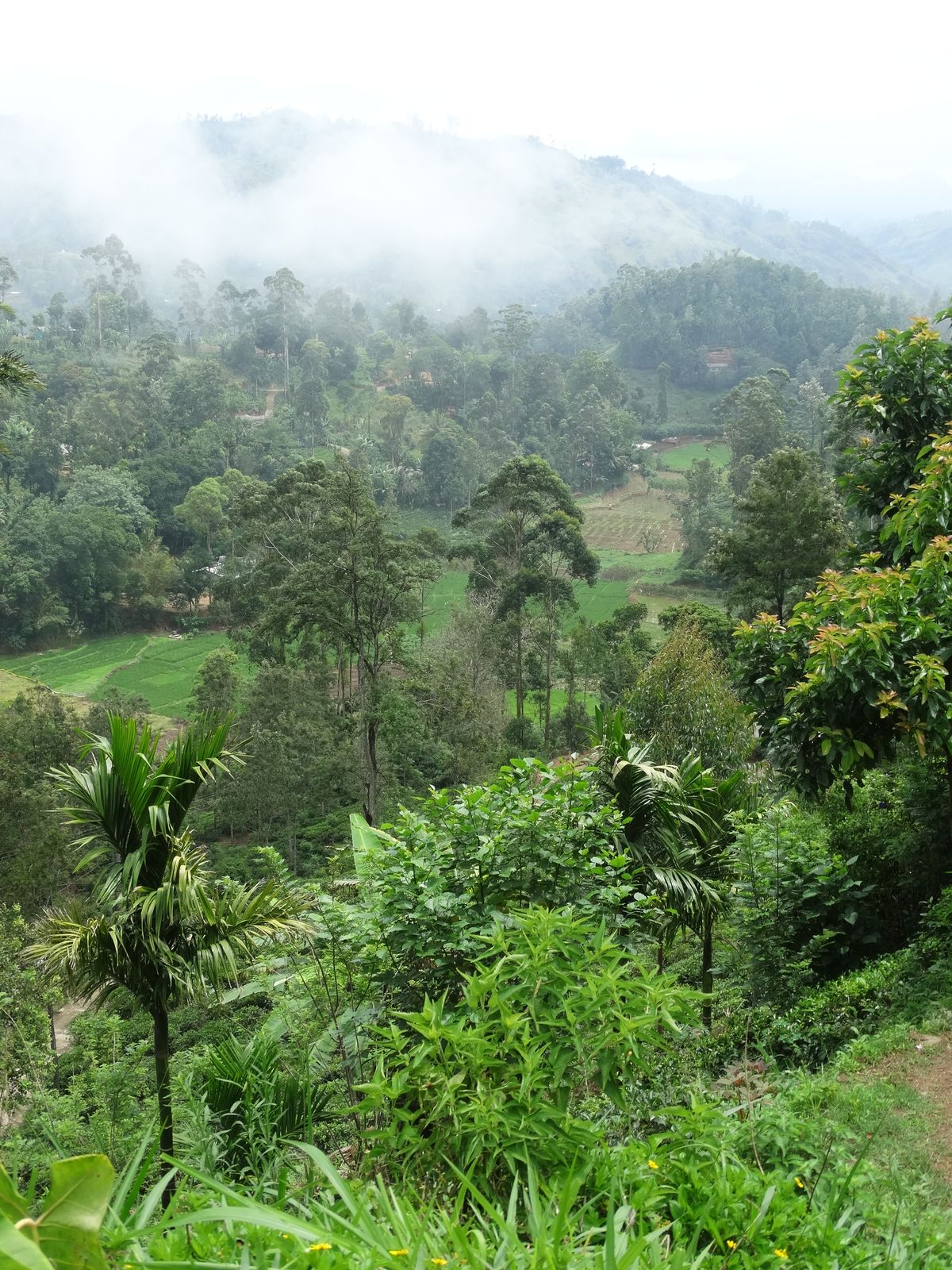
Climb out of the lowlands and the country changes entirely. Nuwara Eliya, at roughly 1,868 meters and still nicknamed "Little England" for its colonial-era architecture and cooler air, sits at the center of the tea country, surrounded by working estates that supply the island's famous Ceylon tea. Ella, lower and more laid-back, has become the hill country's backpacker-turned-boutique hub, known for the Nine Arch Bridge and short hikes up Little Adam's Peak and Ella Rock. Haputale and Hatton are quieter alternatives with their own estate views; Hatton is also the jumping-off point for Adam's Peak (Sri Pada), the pilgrimage mountain climbed overnight for sunrise. Horton Plains National Park, reached from Nuwara Eliya, adds open montane grassland and cloud forest rather than tea, its main draw the sheer 870-meter drop at World's End.
Kitulgala and the Kelani River valley
Kitulgala sits lower and wetter than the hill country proper, on the Kelani River, and is the island's main whitewater rafting base — a legacy partly of the river's steady flow and partly of its fame as a filming location for The Bridge on the River Kwai. The surrounding rainforest, an outlier of the wet zone rather than part of Sinharaja itself, is a solid, less-regulated alternative for birdwatching if Sinharaja's guide system feels like too much structure for the day.
The Knuckles Mountain Range
Northeast of Kandy, the Knuckles range gets a fraction of Sinharaja's visitors despite being part of the same Central Highlands World Heritage designation. It's cloud forest and montane grassland cut by steep ridgelines — genuinely good multi-day trekking country, with village-based guesthouses rather than resort infrastructure, for travelers who want the highlands without the tea-country crowds.
Yala and the southeast dry zone
Yala National Park, in the southeast, is Sri Lanka's most visited park and the one most people mean when they say they're going on a Sri Lankan safari. It's dry monsoon forest and scrub rather than rainforest, and it's widely regarded as holding one of the highest concentrations of leopards found anywhere, concentrated especially in the heavily visited Block 1. That popularity has a cost: jeep traffic around a good sighting can get genuinely crowded, and the park closes for roughly a month most years, typically in September, to let the land and animals rest.
Wilpattu and the northwest
Wilpattu, Sri Lanka's largest national park by area, sits in the northwest near Puttalam and offers a quieter, less crowded alternative to Yala. Its defining feature is the villus — natural sand-rimmed lakes scattered through the dry forest — around which leopards, elephants and birdlife concentrate. It's a longer drive from Colombo and the south coast than Yala, which is precisely why it stays calmer.
When to go
Sri Lanka's weather runs on two monsoon systems rather than one, which is the single most useful thing to understand before booking flights. The southwest monsoon, locally called Yala, brings heavy rain to the southwest, the west coast and the hill country roughly from May through September. The northeast monsoon, Maha, reverses the pattern from around October through January, bringing rain to the north and east while the southwest and hill country dry out. The upshot: there's rarely a month when the entire island is wet, but there's also rarely a month when it's all dry — the trick is matching your itinerary's regions to the right window rather than chasing one universal "best time."
- December–March: generally the best stretch for the southwest coast, the hill country and the southern safari parks together — drier, clearer, and the peak tourist season to match, with the Nuwara Eliya area also busiest around the April new year holiday that follows.
- April: hot and humid in the lowlands, with the Sinhalese and Tamil New Year in mid-April bringing domestic travel and tight accommodation in the hill country.
- May–September: the southwest monsoon soaks the wet zone and hill country — expect frequent rain around Sinharaja, Kitulgala, Nuwara Eliya and Ella, with hiking trails and estate roads turning slick. This same window is comparatively dry in the east, making Trincomalee and the northeast coast a reasonable swap if the southwest is drenched.
- August–September: a strong window for wildlife despite the wet-zone rain, since the dry season in the south and east concentrates animals around shrinking water sources, and this is also when the large seasonal elephant congregation known as "the Gathering" builds around the Minneriya and Kaudulla reservoirs in the north-central dry zone.
- October–January: the northeast monsoon shifts the rain to the north and east, while the hill country's eastern slopes — Ella, Badulla — see increased rainfall too, even as the southwest starts drying out again toward December.
Wildlife and pilgrimage seasons add their own calendar on top of the rain. Leopard sightings at Yala are generally best during the drier months from roughly February through June and again from July into September, when thinning vegetation and shrinking waterholes make cats easier to spot; Wilpattu follows a similar dry-season logic from around May to early September. Adam's Peak's pilgrim season, when the mountain is lit and busiest for the overnight sunrise climb, runs from around December through May, tapering off by the Vesak full moon. Whale watching off the south coast near Mirissa runs roughly November/December through April, while the east coast around Trincomalee picks up the opposite half of the year — one more example of the island's two-coast, two-season rhythm.
Good to know
Because Sri Lanka runs on two offsetting monsoons, it markets itself, fairly, as a year-round destination — you're just choosing which half of the island to prioritize in a given month rather than picking one universal "good season." Our Thailand jungle guide and Bali guide both cover Southeast and South Asian destinations with their own, differently timed monsoon patterns, worth checking if Sri Lanka is one stop on a longer regional trip.
Getting there and getting around
Bandaranaike International Airport (CMB), in Katunayake near Negombo and about 30 kilometers north of Colombo, is Sri Lanka's main international gateway and where nearly every visitor arrives. Mattala Rajapaksa International Airport (HRI), in the south near Hambantota and within relatively easy reach of Yala, exists and occasionally sees renewed interest, but scheduled international airlines largely pulled out by 2018 and it isn't a reliable entry point to plan a trip around — treat Colombo as the arrival city regardless of which region you're prioritizing.
The hill country's train line is one of the genuine highlights of visiting Sri Lanka, not just a way to get somewhere. The route between Kandy and Ella, running through Nanu Oya (the stop for Nuwara Eliya) and Haputale, climbs through tea estates, tunnels and ridgelines with views that are difficult to get any other way, and reserved seats — particularly in the observation car — sell out well in advance in high season, so book ahead rather than assuming you'll walk up and board. Second and third class are cheap and available closer to departure, standing room included, and plenty of travelers ride that way for short hops.
Outside the train line, road travel is how most of the country gets covered. The Southern Expressway cuts travel time from Colombo to Galle and the south coast dramatically compared with the old coastal road, but hill-country roads are narrow, switchbacked and genuinely slow — distances that look short on a map take real time once the climbing starts. Tuk-tuks (three-wheelers) handle short hops everywhere, and ride-hailing apps like PickMe work well in Colombo, Kandy and other larger towns for fair, metered pricing rather than negotiated fares. For a multi-region itinerary — Sinharaja, hill country and a dry-zone safari park in one trip — hiring a private driver for the whole route is the default choice for a lot of visitors, since public transport thins out fast once you're off the main train and bus corridors, particularly around Sinharaja's forest entrances and the more remote safari gateway towns.
Where to stay
Where to base yourself should follow the regions on your list rather than the other way around. Around Sinharaja, small guesthouses cluster near both main entrances — Kudawa on the northern side, and the town of Deniyaya near the quieter Pitadeniya gateway, which tends to offer more comfortable rooms and easier logistics for arranging a guide. Kitulgala's stays sit along the Kelani River, geared toward rafting groups and birdwatchers rather than a resort crowd. In the hill country, Ella has the widest range on this list — everything from simple guesthouses to hillside rooms looking out over the Ella Gap — while Nuwara Eliya leans toward colonial-era bungalows and tea-estate stays that lean into the "Little England" character of the town, and Haputale offers a quieter, less touristed version of the same estate views. Down in the dry zone, Tissamaharama ("Tissa") is the standard base for Yala safaris, and the town of Udawalawe serves the national park of the same name; both are practical rather than scenic bases, built around early jeep departures rather than lingering.
For an actual shortlist of vetted stays across these regions, see our Sri Lanka destination page, and the wider directory if you're still weighing Sri Lanka against another jungle destination before booking anything.
Sri Lanka doesn't ask you to choose between rainforest, mountains and safari the way most countries this size do. It asks you to accept that you'll spend a fair amount of time in a car or on a train getting between them — which, on a line like Kandy to Ella, turns out to be half the point.
The best things to do
The best of Sri Lanka rewards a mix of guided nature time, slow travel and a genuine cultural stop or two, rather than a checklist of safari drives alone.
- Walk Sinharaja with a registered guide: mandatory rather than optional, and worth treating as the highlight it is — mixed-species bird flocks, endemic monkeys and a canopy dense enough to change the light entirely.
- Ride the Kandy–Ella train, ideally with a reserved observation-car seat: the stretch through Nanu Oya and Haputale is the best way to actually see the tea country rather than just pass through it, and it's worth booking well ahead in high season.
- Raft the Kelani River at Kitulgala: a straightforward, well-established whitewater trip through rainforest scenery, easy to combine with a night or two of birdwatching in the surrounding hills.
- Hike Little Adam's Peak or Ella Rock: short, manageable climbs out of Ella with views back over the tea-covered valley and the Nine Arch Bridge below.
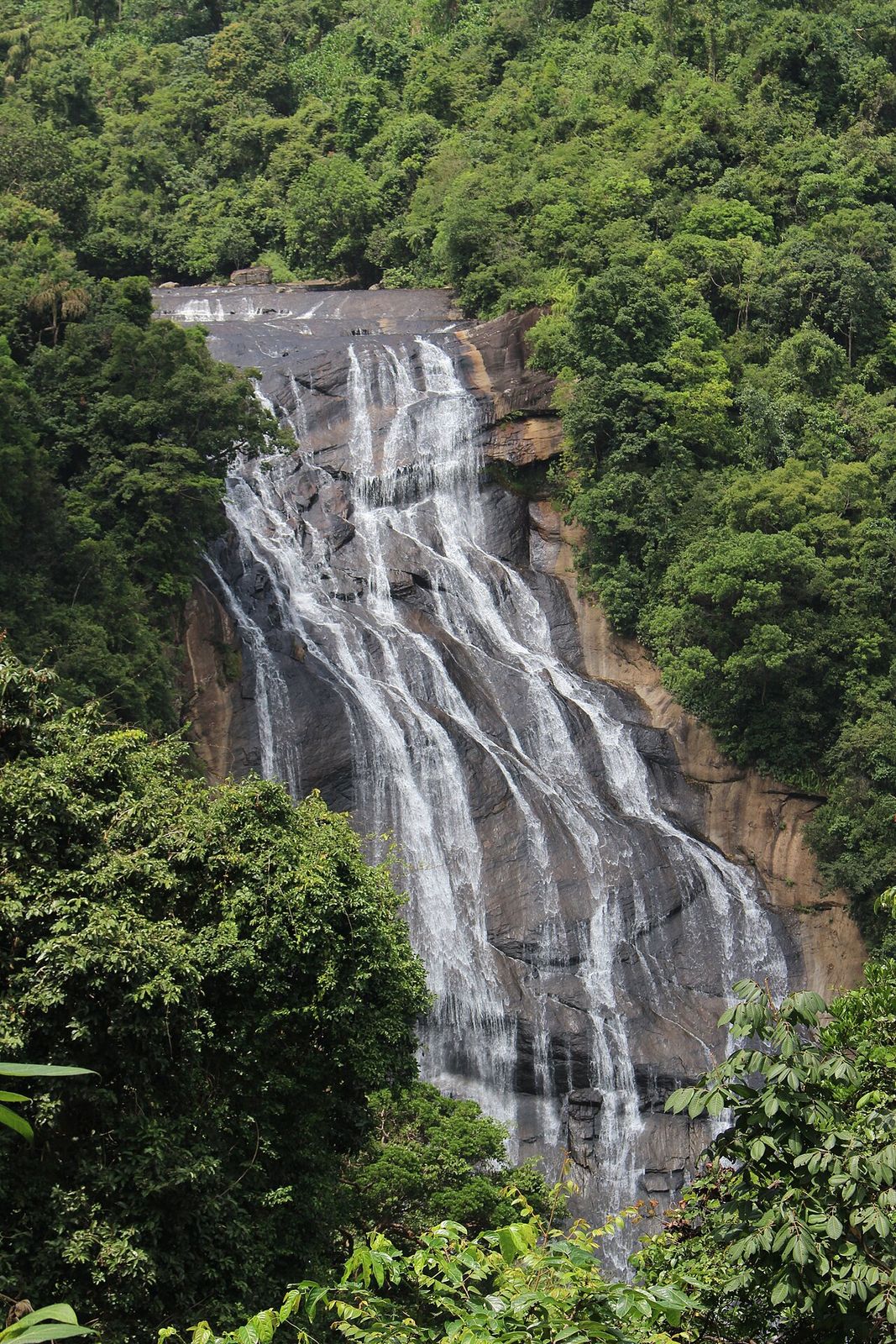
- Get to Horton Plains at first light: the walk to World's End rewards an early start before the cloud cover rolls in and closes off the view, with Baker's Falls a shorter add-on nearby.
- Climb Adam's Peak overnight, in season: the pilgrim trail up Sri Pada runs roughly December through May, timed for a sunrise summit shared with pilgrims of several faiths for whom the mountain is sacred.
- Take a safari at Yala or Wilpattu: Yala for the higher odds on a leopard sighting and a livelier, more crowded jeep scene; Wilpattu for a slower, quieter version of the same dry-zone wildlife around its natural lakes.
- Visit the Elephant Transit Home at Udawalawe: a rehabilitation center for orphaned elephants, with viewing platforms timed around feeding sessions, and a straightforward add-on to an Udawalawe safari.
- Spend a half-day in Kandy: the Temple of the Tooth (Sri Dalada Maligawa) anchors the hill country's cultural side, and Kandy makes a natural staging point before or after the train ride up into the tea country.
The wildlife you'll actually see
What you see in Sri Lanka depends heavily on which biome you're in, and the country's small size makes it easy to move between wildly different wildlife experiences in the same week.
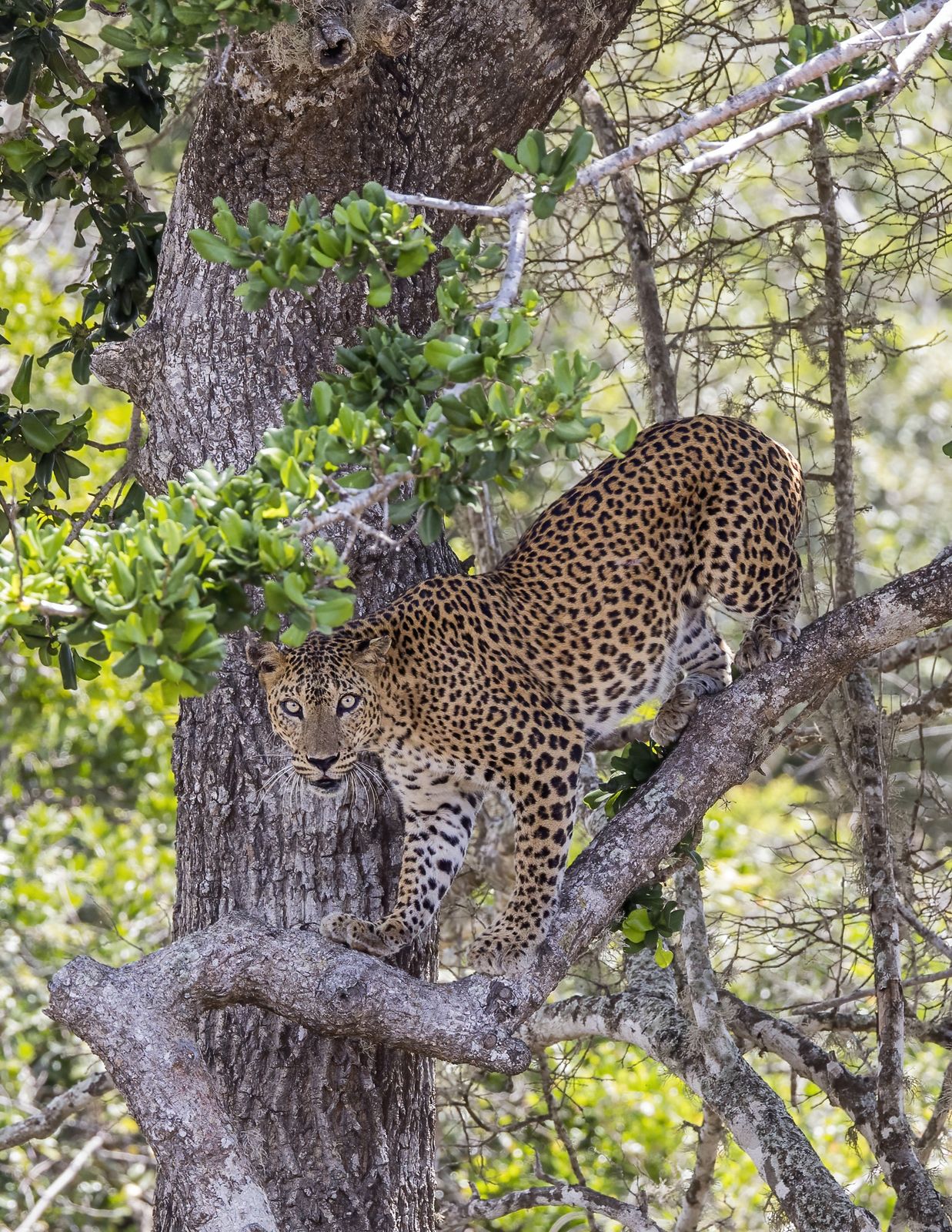
The Sri Lankan leopard (Panthera pardus kotiya), an endemic subspecies found only on the island, is the headline draw at Yala and Wilpattu, and Yala in particular is widely regarded as holding one of the densest leopard populations found anywhere, concentrated in its heavily visited Block 1. Sightings aren't guaranteed on any single drive, but the odds here are genuinely better than in most of the world's other leopard habitat, especially in the drier months when thinning cover and shrinking waterholes work in visitors' favor.
Asian elephants are the other big dry-zone draw, and Sri Lanka holds a substantial wild population relative to its size. Udawalawe National Park offers close to year-round sightings around its reservoir, while the seasonal congregation known as "the Gathering," at Minneriya and nearby Kaudulla in the north-central dry zone, draws large numbers of elephants to the receding waterline during the driest months, typically around August and September. Sloth bears are present at both Yala and Wilpattu but are shier and far less predictable than the leopards or elephants; a sighting is a genuine bonus rather than something to plan around.
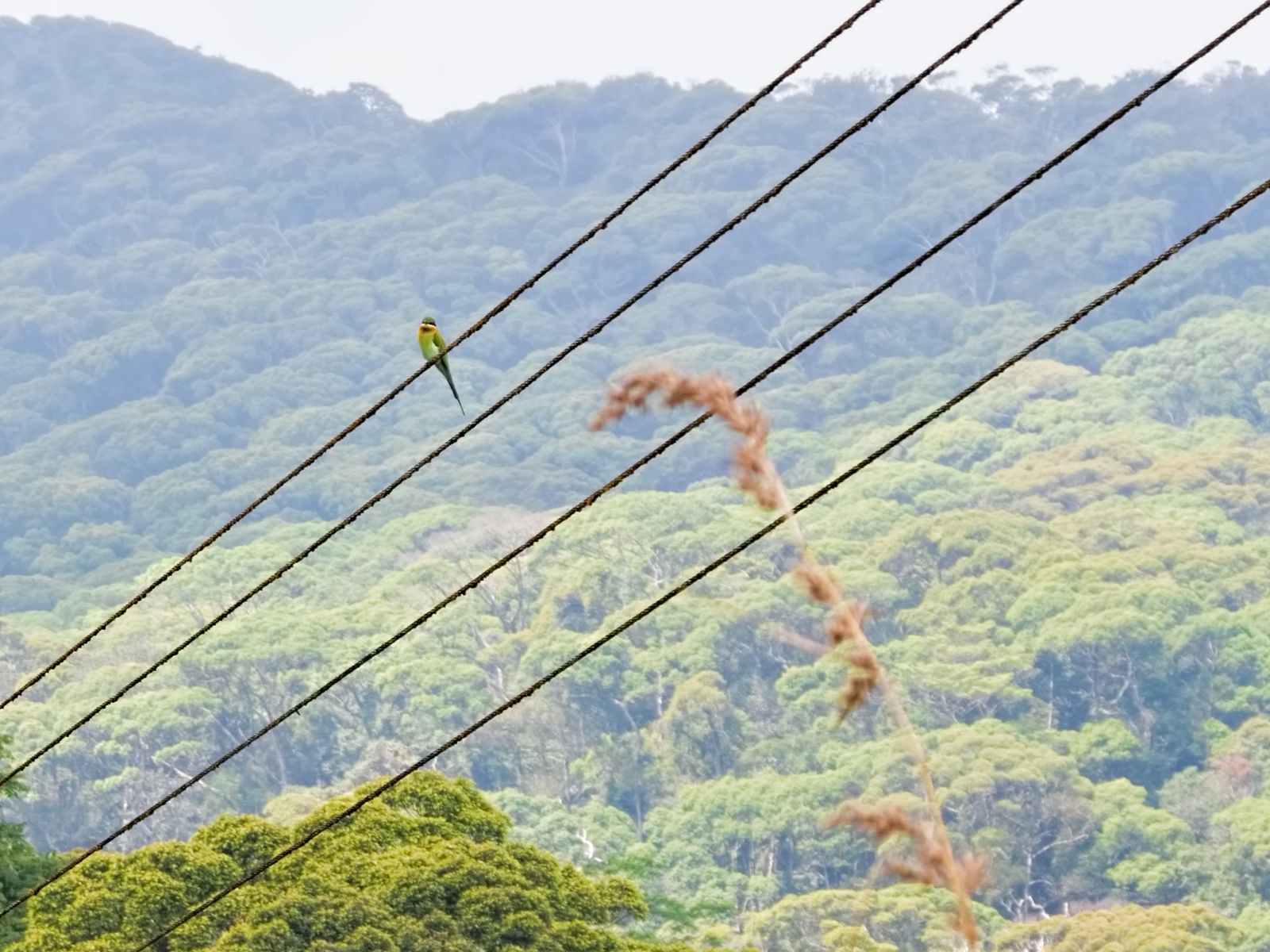
Sinharaja's wildlife runs smaller and quieter. Endemic species are the point here rather than headline mammals: the purple-faced langur, a leaf-eating monkey found only on the island, turns up in the canopy, and Sinharaja is one of the best places anywhere to see mixed-species bird flocks — foraging groups of multiple bird species moving through the forest together, the Sri Lanka blue magpie among the more striking endemics to look for. Leeches are a near-guarantee on the forest floor in wetter months; they're a nuisance rather than a danger, and a guide will point you toward leech socks before you set off.
The coast adds a final layer. Blue whales — the largest animal on Earth — pass close enough to shore off the south coast near Mirissa, and off Trincomalee on the east coast during the opposite half of the year, that Sri Lanka is one of relatively few places with a realistic shot at a near-shore sighting rather than a distant blow on the horizon. Crocodiles, both mugger and the less commonly seen saltwater variety, turn up in the waterways at Yala, Wilpattu and Bundala, generally best spotted from a jeep rather than on foot.
Costs and budgeting
Sri Lanka sits toward the affordable end for South Asia, though safari costs can push a trip's daily average up faster than lodging or food do. A backpacker-style budget runs roughly $30 to $60 a day — simple guesthouse rooms, meals at local rice-and-curry spots, and second- or third-class train travel all keep costs down. A mid-range budget lands somewhere between $60 and $150 a day, covering more comfortable guesthouses and small hotels, restaurant meals, a private driver split across a group, and reserved train seats in the observation car.
National park visits are the line item most likely to surprise first-time visitors. Foreign entrance fees, service charges and a jeep with driver-tracker bundled together typically push a half-day safari at Yala or Wilpattu well past what a similar activity would cost elsewhere in the country — worth budgeting as its own expense rather than folding into a daily average, and worth knowing before comparing Sri Lanka's headline "cheap country" reputation against the safari-specific costs. Sinharaja's mandatory guide fee is comparatively modest by contrast.
The currency is the Sri Lankan rupee (LKR); cards are increasingly accepted in hotels and larger restaurants, but cash is still the norm for tuk-tuks, small guesthouses and rural areas, so carrying enough rupees when heading toward Sinharaja, the safari parks or smaller hill-country towns is a good habit. Most visitors need an Electronic Travel Authorization (ETA), applied for online before departure — arrange this ahead of the trip rather than assuming it can be sorted on arrival, and double-check the current requirement for your nationality before flying, since visa policy here has shifted more than once in recent years.
Health, safety and practical tips
Sri Lanka is generally a safe, straightforward country to travel in, with petty theft and road safety the more realistic concerns than anything more serious.
Malaria: the World Health Organization certified Sri Lanka malaria-free in 2016, which is genuinely reassuring, though it doesn't cover every mosquito-borne risk — dengue is present, particularly in the wetter months, so a DEET-based repellent and covering up at dawn and dusk are still worth the habit.
Leeches: a certainty rather than a possibility on Sinharaja's forest floor during wetter months. They're unpleasant, not dangerous — leech socks and a guide who knows how to remove one properly (rather than yanking it) make the whole thing a minor annoyance rather than a real problem.
Water: stick to bottled or filtered water outside established hotels, particularly in rural areas around Sinharaja and the safari parks.
Temple etiquette: dress modestly (shoulders and knees covered) and remove shoes and hats before entering any Buddhist temple, including at Kandy's Temple of the Tooth. Never pose with your back to a Buddha statue for a photo, and avoid Buddha-themed tattoos or imagery, which can cause genuine offense and, in isolated cases, legal trouble.
Roads: hill-country roads are narrow, winding and slower than distances on a map suggest, and driving styles on both rural and urban roads can be more assertive than visitors are used to. A private driver, rather than self-driving, is the easier choice for most first-time visitors, especially for the hill-country and safari-park legs.
Vaccinations: nothing is required for entry from most countries, but hepatitis A and typhoid are commonly recommended, and it's worth a travel clinic visit a few weeks before departure if you're unsure what applies to your specific itinerary.
Insurance: genuine travel insurance is worth having anywhere, and particularly so if Sinharaja, Wilpattu or the Knuckles range are on the itinerary, where evacuation logistics are slower than near Colombo or the main hill-country towns.
Language: Sinhala and Tamil are the national languages. English is widely spoken in tourism-heavy towns — Ella, Kandy, the main safari gateway towns — and less so in smaller villages, where patience and a few basic phrases go a long way.
A suggested route
Ten to fourteen days is enough to cover a genuine cross-section of Sri Lanka without feeling rushed; a week is enough for a tighter version focused on two or three regions rather than all six.
- Days 1–2: land at Bandaranaike International Airport (CMB) and head to Kitulgala for rafting and a first taste of wet-zone rainforest, or continue straight to Kandy if time is tighter.
- Day 3: spend a half-day in Kandy at the Temple of the Tooth before heading up into the hill country.
- Days 4–6: ride the train from Kandy toward Ella, breaking the journey at Nanu Oya for Nuwara Eliya and a tea-estate visit, or continuing straight through to Ella for the Nine Arch Bridge and the short hikes above town. Add a dawn trip to Horton Plains for World's End if based near Nuwara Eliya.
- Days 7–9: head south to Tissamaharama or Udawalawe for a dry-zone safari — Yala for the strongest leopard odds, Wilpattu (a longer transfer) for a quieter alternative, or Udawalawe for reliable elephant sightings and the Elephant Transit Home.
- Days 10–11: finish on the south coast around Mirissa or Weligama, with a whale-watching trip if the season lines up (roughly November through April on this coast).
- Days 12–14 (optional extension): loop west to Deniyaya for a guided walk in Sinharaja before returning to Colombo for departure, or add the Knuckles range for a quieter multi-day trek if the tea-country crowds weren't remote enough.
This route trades some backtracking for a genuine sample of all three of Sri Lanka's major biomes. A tighter version drops either Sinharaja or the far south's safari parks rather than compressing all six regions into under ten days. If Sri Lanka is one leg of a longer Asia trip, it pairs naturally with other jungle-and-coast destinations in the region — our guides to Thailand and Bali cover two of the most commonly combined add-ons.
Common questions
Is Sri Lanka's rainforest the same as its safari parks?
No, and it's worth knowing before you plan. Sinharaja, in the southwest wet zone, is true tropical rainforest — humid, closed-canopy, rain likely most days. Yala and Wilpattu, in the south and northwest, are dry-zone monsoon forest and scrub — the terrain where the leopard and elephant safaris happen. They're different biomes with different wildlife, and neither substitutes for the other.
When is the best time to visit Sri Lanka?
It depends on which regions you're prioritizing, because two offsetting monsoons mean the island rarely dries out or floods all at once. December through March generally works best for the southwest coast, the hill country and the southern safari parks together; the east coast has its better window later in the year, roughly opposite the southwest's pattern.
Do I need a guide to visit Sinharaja?
Yes — a registered guide is mandatory at every entrance, both for safety on the trail and because an untrained eye misses most of what makes the reserve worth visiting, from mixed-species bird flocks to the endemic wildlife.
Yala or Wilpattu — which is better for leopards?
Yala has the stronger reputation and, most visitors would say, the better overall odds, particularly in Block 1, but it's also considerably more crowded around a good sighting. Wilpattu is quieter and more remote, with leopards spotted around its natural lakes rather than concentrated in one heavily visited block — a reasonable trade of slightly lower odds for a calmer experience.
How many days do I need to see Sri Lanka's rainforest and hill country properly?
A week covers two or three regions well — the hill country and one safari park, say, or Sinharaja and Kitulgala together. Ten to fourteen days allows a genuine loop through the wet-zone rainforest, the tea country and a dry-zone safari without feeling rushed.
Is Sri Lanka safe, and is malaria a concern?
Sri Lanka is generally safe for travelers, with petty theft and road conditions the more realistic day-to-day concerns. The World Health Organization certified the country malaria-free in 2016, though standard precautions against dengue and other mosquito-borne illness are still worth taking, particularly in the wetter months.
Where to go from here
Sri Lanka rewards picking a handful of its very different regions and giving each real time, rather than treating the whole island as one interchangeable "jungle" trip. Start with our Sri Lanka destination page for a shortlist of vetted jungle-adjacent stays, or browse the full directory if you're still comparing Sri Lanka against another destination before booking anything. If you're building a longer Asia itinerary around this kind of travel, our guides to Thailand's jungle and Bali's jungle cover two of the region's other major rainforest destinations, and our roundup of the best jungle Airbnbs in the world is a good next stop if you're still weighing regions before committing to one.
- Wikivoyage — Sinharaja Forest Reserve — entrances, mandatory guide requirement and entry logistics.
- Wikipedia — Bandaranaike International Airport — location and role as Sri Lanka's main international gateway.
- Wikipedia — Mattala Rajapaksa International Airport — status of international service at the southern airport.
- Rough Guides — How to Visit Tea Plantations in Sri Lanka — hill-country tea season and estate visiting patterns.
- Journal of Sri Lanka — Best Time to Visit Sri Lanka's Hill Country — southwest and northeast monsoon timing across the hill country.
- Wildlife Trails — Best Time of Year to Visit Sri Lanka for Leopards — Yala and Wilpattu leopard-sighting seasonality.
- Sri Lanka Visits — Yala National Park Safari Guide — Yala's Block 1, leopard density reputation and annual park closure.
- Wikipedia — Central Highlands of Sri Lanka — UNESCO World Heritage designation covering Horton Plains, Peak Wilderness and the Knuckles range.
More from the Journal.
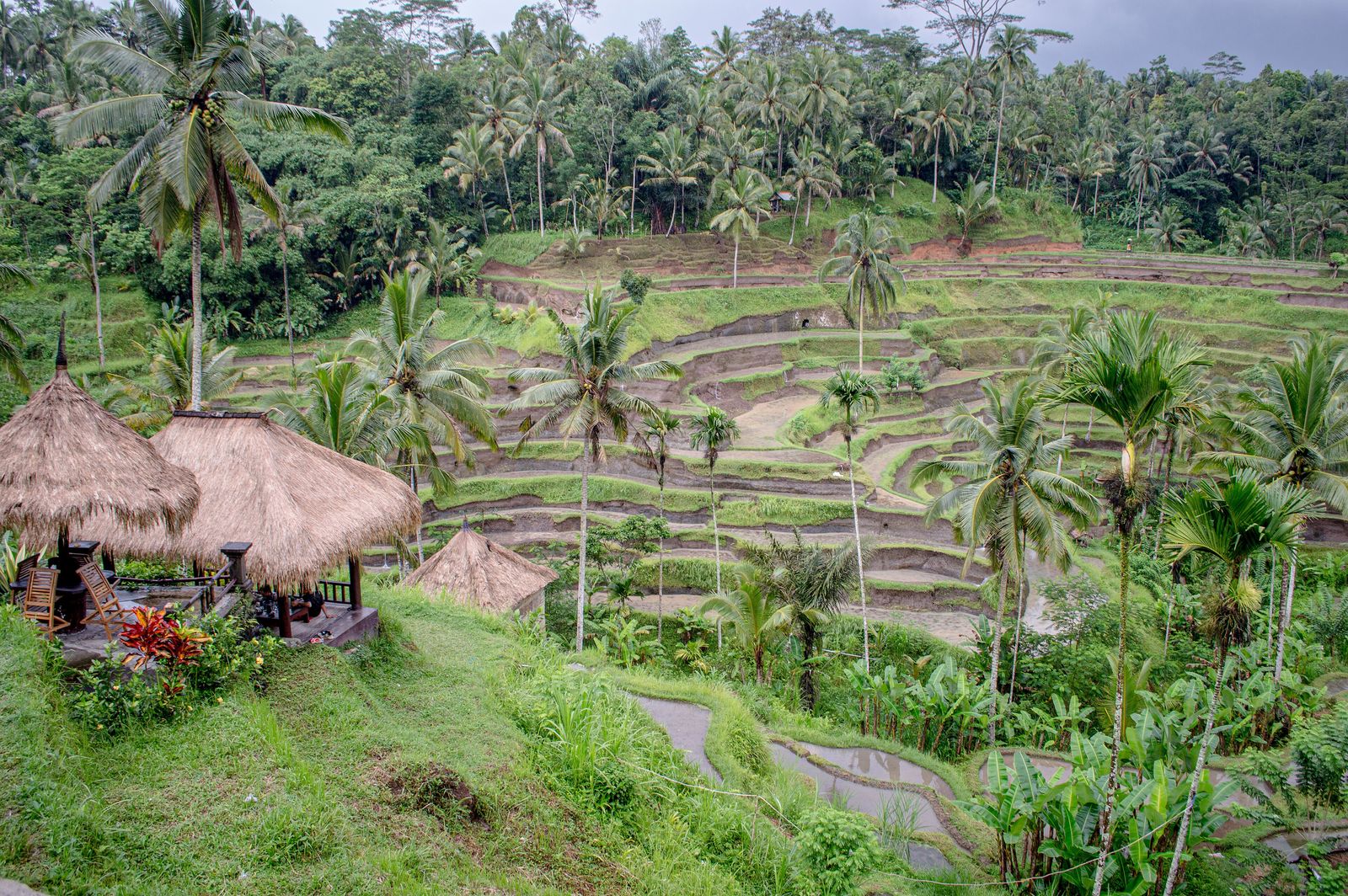 Photo: Philip Nalangan, CC BY 4.0
Bali Jungle Travel Guide
Everything you need to plan the interior of Bali — Ubud, Sidemen and the northern highlands — where to stay in the jungle, when to go and what it actually costs.
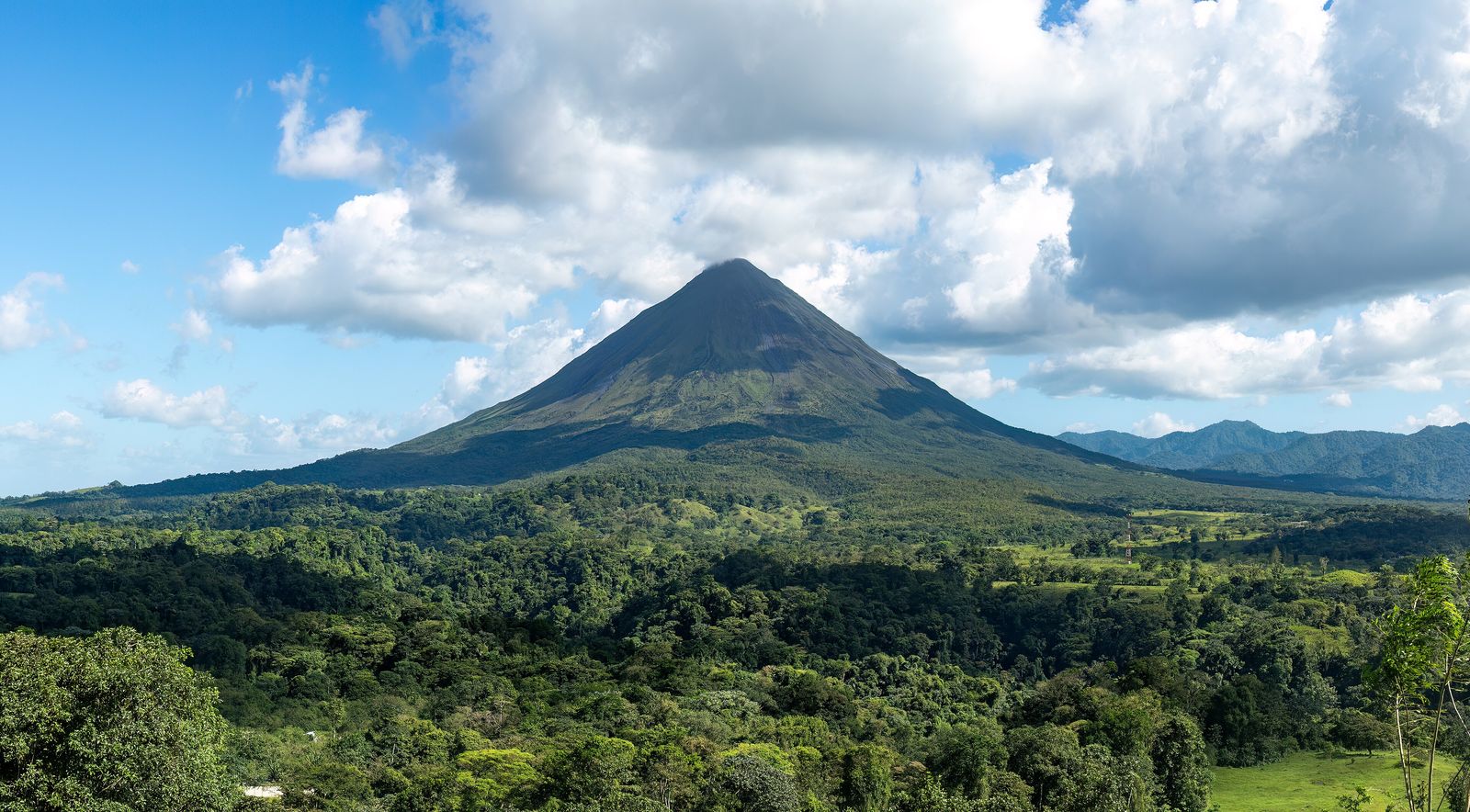 Photo: Rhododendrites, CC BY-SA 4.0
Costa Rica Rainforest Travel Guide
The definitive guide to Costa Rica's rainforests — cloud forest, Pacific lowlands and the wild Osa Peninsula — with where to stay and when to go.
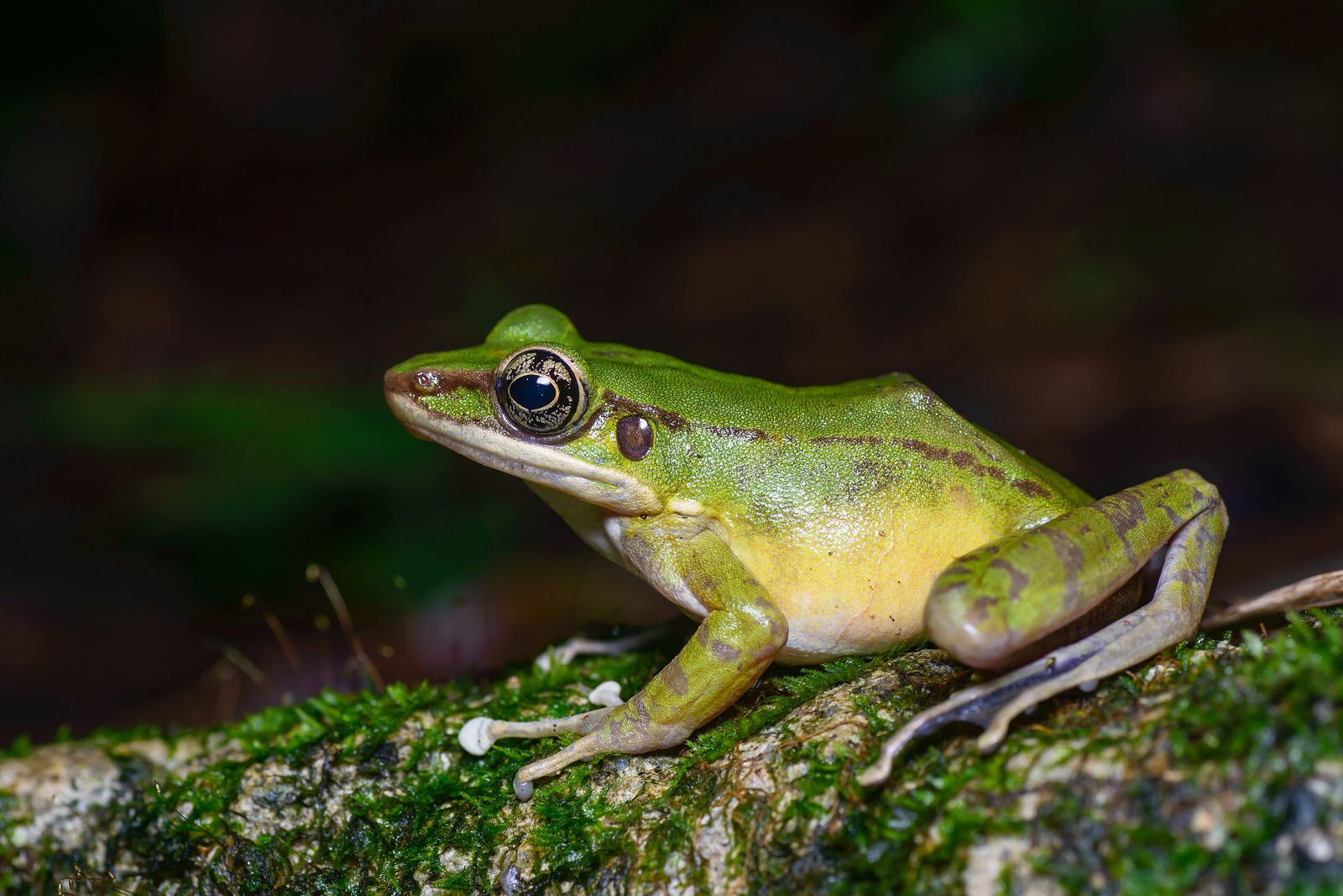 Photo: Rushenb, CC BY-SA 4.0
Thailand Jungle Travel Guide
Beyond the beaches: Khao Sok's ancient rainforest, the northern hills around Chiang Mai and the karst jungle of the south.
 Photo: Derek Ramsey (Ram-Man), CC BY-SA 4.0
Find your own piece of the canopy.
Treehouses, bamboo houses and rainforest villas across 17 destinations — found, vetted and written up honestly.
Browse all destinations