The Amazon Rainforest: A Traveler's Guide
The Amazon isn't one country's rainforest and it isn't one trip. It spans nine countries, and the version you get depends entirely on which one you fly into — a fast, well-run lodge circuit out of Peru, a wilder and less touristed run out of Ecuador, a genuine tri-border frontier town in Colombia, or the sheer scale of Brazil, which holds most of the forest and none of the convenience. This is a working guide to actually visiting the Amazon: which gateway city gets you there, which regions and reserves are worth the trip, real lodges you can book, and what a few days deep in the world's largest rainforest is actually like once the boat engine cuts out.
The Amazon, honestly
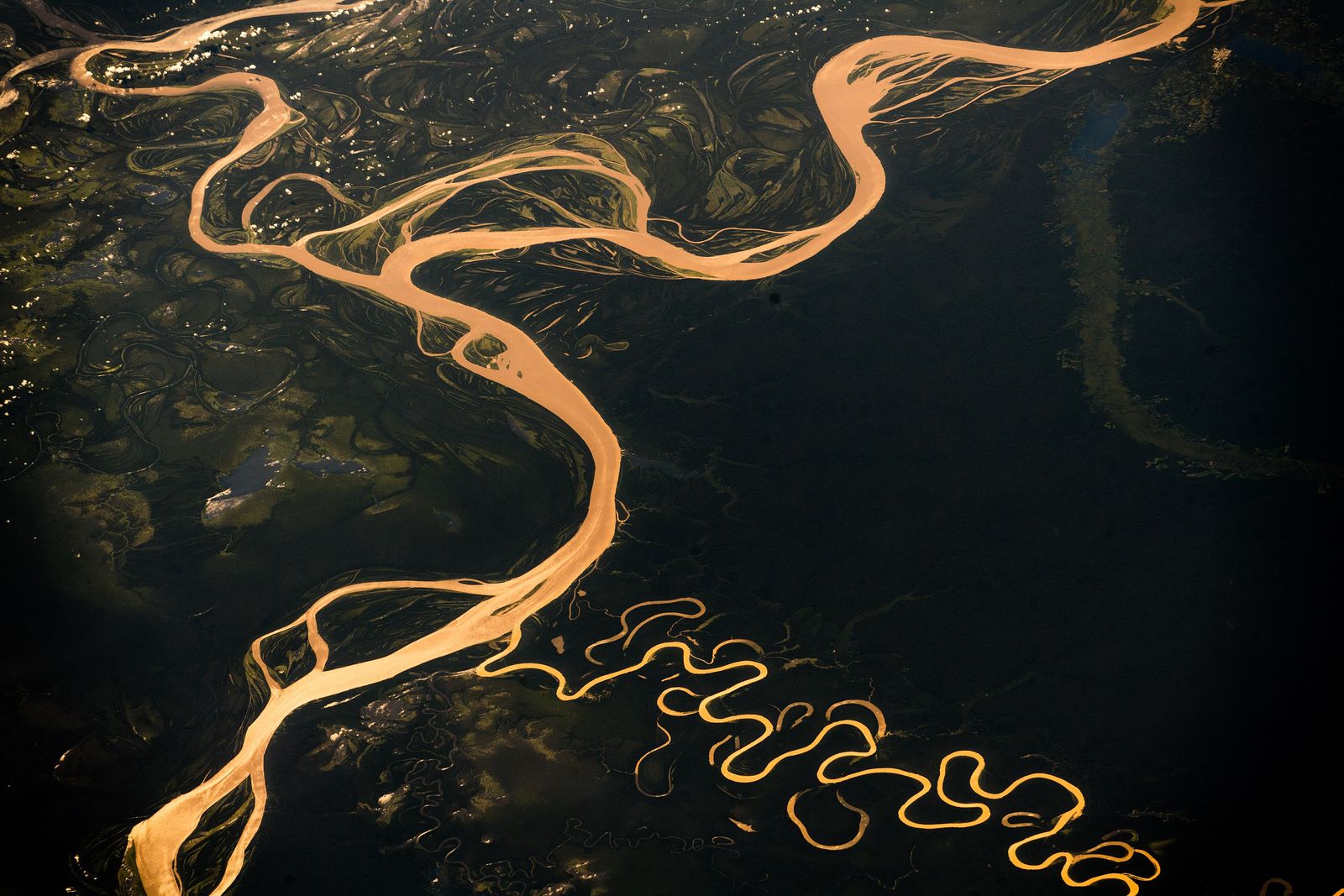
Say "the Amazon" and most people picture one unbroken green mass on a map. On the ground it's closer to nine separate countries' worth of forest, river system, indigenous territory and, increasingly, road and pipeline, stitched together by a river network so large that the Amazon River alone carries more water than the next several largest rivers on Earth combined. Brazil holds roughly 60 percent of the total forest, with Peru, Colombia, Bolivia, Ecuador, Venezuela, Guyana, Suriname and French Guiana splitting the rest. That matters for a traveler because it means "visiting the Amazon" isn't a single itinerary — it's a choice between countries with genuinely different infrastructure, cost, wildlife-viewing style and vibe.
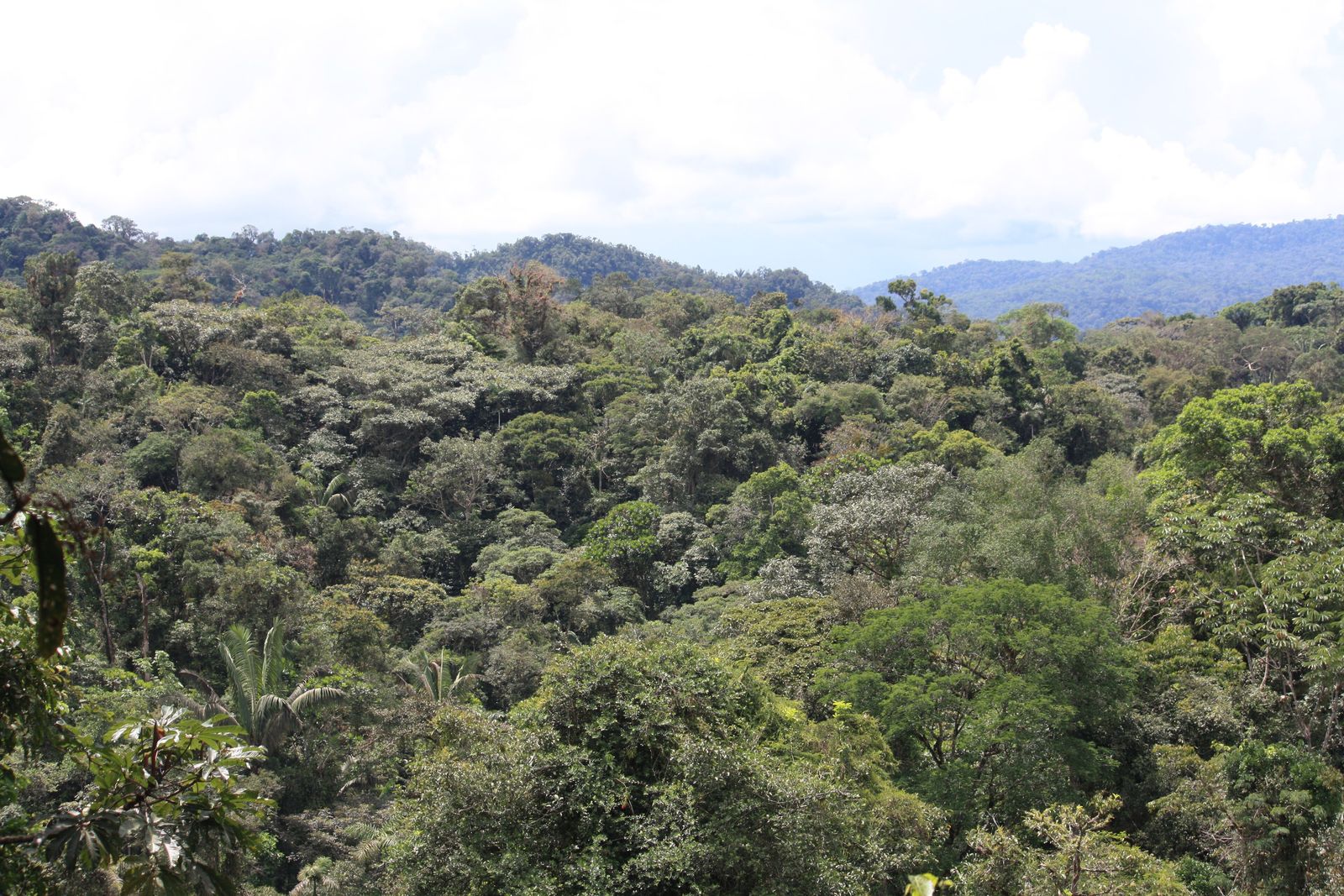
The honest version: this is not Costa Rica, where you can drive between six ecosystems in an afternoon. The Amazon basin is enormous — more than 5.5 million square kilometers of rainforest — and most of it has no roads at all. You get to a lodge by boat, sometimes after a flight and a drive and a boat, and once you're there you stay put and let the forest come to you rather than covering ground the way you might elsewhere. That slower rhythm is either the best part of the trip or the part people aren't prepared for, depending on expectations set going in.
It's also not uniformly wild. Manaus, the largest city inside the Brazilian Amazon, has over two million residents, container ships, and a free-trade electronics zone. Iquitos, Peru's Amazon hub, is the largest city in the world with no road access to it at all — everything and everyone arrives by boat or plane. Both are real cities you fly into before the actual jungle starts, and neither should be confused with the wilderness a few hours downriver. The trip most people are picturing — canopy towers, night walks, a guide pointing out a sloth you'd never have spotted alone — starts once you've left the city behind, usually by boat, usually for a lodge with generator power a few hours a day and no cell signal at all.
The regions, and how they differ
Four countries do the heavy lifting for Amazon travel: Brazil, Peru, Ecuador and Colombia. Each has a distinct gateway city, a distinct style of lodge, and a distinct trade-off between how wild the experience is and how easy it is to reach.
Peru — Iquitos and Puerto Maldonado
Peru runs the most developed Amazon tourism circuit of the four, split across two very different gateway cities. Iquitos, in the north, sits on the upper Amazon River itself and is the classic river-lodge base — boats head downriver into the Pacaya-Samiria National Reserve and other flooded-forest areas known locally as várzea, good for river dolphins, giant water lilies and a genuinely remote feel. Puerto Maldonado, in the south, is the gateway to the Tambopata National Reserve and, further out, Manu National Park — established in 1973 as one of Peru's first and largest protected areas, home to roughly a thousand recorded bird species, a meaningful share of everything on Earth. Puerto Maldonado connects by road as well as air, which makes logistics simpler than Iquitos, and its lodges sit closer to town, often a two- to four-hour boat ride rather a full day's travel.
Ecuador — Tena and the Napo region
Brazil and Peru get most of the attention, but Ecuador's slice of the Amazon, reached through the town of Tena roughly five hours by road from Quito, holds some of the most biodiverse land in the basin. Yasuní National Park, between the Napo and Curaray rivers, covers close to a million hectares and sits at a convergence point of Andes, Equator and Amazon that researchers have pointed to as one of the most species-dense places on the planet. Ecuador's advantage is scale — it's a small country, so the flight-plus-drive to reach the jungle is shorter than almost anywhere else on this list — and its lodges include one genuine standout: Napo Wildlife Center, the only lodge actually inside Yasuní's park boundaries, owned and run by the Kichwa Añangu indigenous community rather than leased from them.
Colombia — Leticia and the tri-border Amazon
Leticia is unlike any other gateway on this list: a Colombian town at the exact point where Colombia, Peru and Brazil meet, reachable only by air or river, with no road connection to the rest of Colombia at all. It's a genuine frontier feel that the more developed Peruvian circuit doesn't have — fewer lodges, fewer other travelers, and Amacayacu National Park within reach, home to up to eight primate species including the vulnerable Humboldt's woolly monkey. Because Leticia sits at a border crossing, it's also possible to combine a Colombian Amazon stay with a short boat trip into Peru or Brazil, something none of the other three gateways offer as easily. Colombia's Amazon rewards travelers who've already done Peru or Costa Rica and want something less packaged.
Brazil — Manaus and the Rio Negro
Brazil holds most of the actual forest, and Manaus — sitting at the confluence of the Rio Negro and the Amazon River proper, the meeting of waters where the two rivers run side by side without mixing for kilometers because of differences in temperature, speed and sediment — is the biggest and best-connected gateway city on this list. It's also, in a way, the least convenient: Manaus has no direct international flights from North America, so most visitors connect through a Brazilian hub like São Paulo, Rio or Brasília first. What you get for that extra leg is scale — genuinely vast river systems, the Anavilhanas archipelago upriver, and reserves like Cristalino, further south in Mato Grosso state, known among birders specifically for its harpy eagle sightings and for holding close to 600 recorded bird species in a single private reserve.

When to go
The Amazon runs on a wet-and-dry rhythm rather than four seasons, and it flips the calendar most travelers expect: this is the Southern Hemisphere, so "winter" runs roughly June through August. Confusingly, the two main gateway regions in Peru don't even agree with each other on when the driest stretch falls, so it's worth checking the specific country and city rather than assuming one Amazon calendar covers all four.
- Puerto Maldonado and southern Peru (Tambopata, Manu): dry season runs roughly April through October/November, with about 60mm of rain a month at its driest — this is the easier season for hiking trails and for wildlife clustering around shrinking waterholes and exposed riverbanks (clay licks especially). Wet season runs November through March/April, with around 150mm a month, higher water levels, and easier canoe access into flooded forest.
- Iquitos and northern Peru: rainfall is heavier and more constant year-round than in the south, but there's still a wetter stretch from roughly October/November through May/June — April tends to be the wettest month — and a comparatively drier one from June through October, with September typically the driest. High-water months (roughly December through May) are actually prized here for a different reason: flooded forest opens up to small boats and canoes, letting you paddle among the treetops rather than walk beneath them.
- Leticia and the Colombian Amazon: rainy season runs December through June, with higher rivers, easier canoe access and higher humidity. Dry season, July through November, drops river levels, opens up more hiking trails, and — a real practical upside — brings noticeably fewer mosquitoes.
- Manaus and the Brazilian Amazon: the rainy season runs roughly mid-December through mid-May, driven by stronger winds that push more rain into the central basin; the rest of the year is comparatively drier, though "dry" in the Amazon is a relative term everywhere on this list.
None of this makes one season objectively better — it changes what kind of trip you get. Dry season favors hiking, canopy towers and animals concentrated at known water sources and clay licks, which is generally the easier season for a first Amazon trip and the more popular one for exactly that reason. Wet season, especially the high-water months in Iquitos and Manaus, trades hiking trails for flooded-forest canoeing, gets you closer to the canopy by boat, and comes with noticeably lower prices and fewer other travelers — a trade some repeat visitors make deliberately.
Good to know
Rain in the Amazon rarely means a washed-out day. Even in wet season, the typical pattern is a heavy downpour for an hour or two, often overnight or in the afternoon, with plenty of clear time around it for hikes and boat trips. Pack for both: quick-dry clothing, a real rain jacket, and a dry bag for cameras and phones on every boat trip regardless of season or forecast.
Getting there and getting around
Every Amazon trip has the same basic shape: an international flight to a national capital or hub, a domestic flight or long drive to a gateway city, and then a boat — sometimes a short one, sometimes most of a day — to the lodge itself. Which gateway city you pick decides most of the rest of the logistics.
Iquitos (Peru): no roads connect Iquitos to the rest of Peru at all, so every visitor arrives by air, typically on a direct flight from Lima (around two hours) or, for some travelers, via Panama City. From Iquitos, lodges are reached by boat, ranging from under an hour to most of a day depending on how remote the property is.
Puerto Maldonado (Peru): direct flights connect Puerto Maldonado to both Cusco (about 30 minutes) and Lima, making this the most convenient of the four gateways to combine with a Machu Picchu or Cusco trip — a genuinely popular add-on given the short flight. Most Tambopata-area lodges are then a two- to four-hour boat ride down the Madre de Dios or Tambopata rivers.
Tena (Ecuador): there's no airport in Tena itself; the drive from Quito takes around five hours by road, with public buses running the route for roughly $6 to $8 one-way. Some lodges, Napo Wildlife Center among them, instead route guests through Coca, reached by a short domestic flight from Quito, followed by a longer river journey — worth confirming with whichever lodge you book, since the two access routes differ meaningfully in time and cost.
Leticia (Colombia): Alfredo Vásquez Cobo International Airport has direct flights from Bogotá, roughly two hours in the air, and that flight is the only practical way in — there is no road connection to the rest of Colombia. Once in Leticia, boats along the Amazon River reach lodges and reserves, including short river crossings into neighboring Peru and Brazil if your itinerary calls for it.
Manaus (Brazil): there's no direct international service from North America, so most travelers connect through a Brazilian hub — São Paulo, Rio de Janeiro or Brasília — before the final domestic leg into Manaus. From there, lodges along the Rio Negro or further into the interior are reached by boat, with trip times ranging from an hour or two for closer properties to a full day for reserves like Cristalino, deep in Mato Grosso state.
Within any of these regions, don't expect to self-drive or hop between lodges independently the way you might on a Bali or Costa Rica road trip. Lodges typically handle transfers as part of the package, meeting guests at the airport or dock and running the whole boat journey themselves — a function of both logistics and, in many cases, indigenous or community land rights over the surrounding river and forest.
Where to stay
Amazon lodges vary more than the word "lodge" suggests, from simple stilted rooms with mosquito nets and shared bathrooms to properties with private plunge pools and full spa programs — but nearly all of them share the same basic model: a fixed number of nights, meals and guided activities bundled together, since there's nowhere else nearby to eat or explore on your own. That bundled structure is worth understanding before you book, because the lodge and its guiding are the entire trip, not an add-on to one.
In Peru's Tambopata region, Rainforest Expeditions runs a well-known trio of interlinked lodges in partnership with the Ese-Eja indigenous community of Infierno — Posada Amazonas, closest to Puerto Maldonado; Refugio Amazonas, a bit further in; and the more remote Tambopata Research Center, positioned near one of the region's largest macaw clay licks. Also on the Madre de Dios river, adjacent to the Tambopata National Reserve, Inkaterra Reserva Amazonica sits within a 17,000-hectare private reserve and has been recognized by National Geographic Traveler as one of the world's best eco-lodges. In Ecuador's Yasuní region, Napo Wildlife Center is the only lodge actually inside the national park's boundaries, owned and operated by the Kichwa Añangu community rather than leasing from them, with La Selva — one of the longest-running lodges in the Ecuadorian Amazon — a further option nearby. In Brazil's Mato Grosso, Cristalino Lodge sits inside a private reserve on the Cristalino River, known specifically among birders for harpy eagle sightings and a bird list near 600 species.
For an actual shortlist of vetted stays across these regions, see our Brazil destination page, our Peru destination page, and our Colombia destination page, or browse the full directory if you're still weighing the Amazon against another jungle destination entirely.
Nobody books an Amazon lodge for the room. You book it for the three or four days of guiding that come with it — and the difference between a forgettable trip and a genuinely great one almost always comes down to how good that guide is, not how nice the mosquito net looks in the photos.
The best things to do
Amazon activities are less about a checklist of sights and more about a rotation of guided outings, usually two a day, timed around when animals are actually active — which in practice means early morning and after dark far more than midday.
- Take a dawn canopy tower or zipline climb: most established lodges have a canopy tower or platform, and the hour after sunrise is consistently the best window for birds, monkeys and, with real luck, a distant view of a macaw clay lick in action.
- Visit a macaw or parrot clay lick: the Tambopata region in particular is known for clay licks where dozens of macaws and parrots gather to eat mineral-rich clay, best in the early morning during the drier months when birds cluster more predictably.
- Go out on a night walk or night boat ride: a huge share of Amazon wildlife is nocturnal, and a guide with a flashlight will find caimans by their eyeshine, tarantulas, tree frogs and, on a good night, an owl or two that you'd have walked straight past in daylight.
- Paddle a flooded-forest area by canoe: in high-water months especially around Iquitos, canoeing directly among the treetops is one of the more unusual things the Amazon offers that other rainforests simply can't, since most jungle canopy elsewhere stays firmly out of reach.
- Fish for piranha, then swim (yes, really): most lodges run a piranha-fishing outing, and the local guides who take you swimming afterward in the same stretch of river know the water well enough to make it a genuinely low-drama activity rather than a stunt.
- Look for pink and grey river dolphins: both species surface regularly in the wider river channels, and a slow boat ride at the right time of day has decent odds without any special effort.
- Spend a morning with a local or indigenous community, where offered: several lodges, Napo Wildlife Center and the Tambopata trio among them, are run in direct partnership with the indigenous communities whose land the reserve sits on — a meaningfully different experience from a generic cultural stop bolted onto a tour.
- Hike a real trail in daylight: dry season especially, a guided walk covering a few kilometers of forest floor is the best way to actually learn what you're looking at — leafcutter ant highways, strangler figs, medicinal plants a guide has grown up using — rather than just passing through it.
The wildlife you'll actually see
Set expectations correctly and the Amazon delivers; go in expecting a nature documentary compressed into three days and you'll likely leave disappointed. A trained guide is doing most of the actual finding — an untrained eye moving through dense forest misses a large share of what's genuinely there, camouflage and canopy height both working against you.
Monkeys are the most reliable large mammal across the basin, and species vary meaningfully by country and reserve: squirrel monkeys and capuchins are common and bold across most lodges, woolly monkeys and spider monkeys need more intact forest and turn up more reliably in less-visited reserves, and Amacayacu National Park in Colombia specifically is known for up to eight primate species including the vulnerable Humboldt's woolly monkey. Sloths are present but genuinely harder to spot here than in Central America — six species live across the wider Amazon basin, spending up to 18 hours a day asleep and moving so little that a guide who found one yesterday is often the best lead on finding it again.
River wildlife is a genuine Amazon specialty that other rainforests simply don't offer: pink river dolphins (boto) and grey river dolphins both surface in wide channels and are a realistic, not-too-difficult sighting on most multi-day trips, alongside manatees, giant otters in quieter reserves, anacondas, caimans of several sizes, and an enormous range of fish, from piranha to the massive sailfin catfish. Birdlife is where the Amazon separates itself most clearly from anywhere else on Earth: Manu National Park alone has recorded close to a thousand species, roughly a tenth of everything on the planet, and macaw and parrot clay licks in the Tambopata region draw dozens of birds at once in a spectacle most travelers have never seen anywhere else. Brazil's Cristalino reserve has built a specific reputation among birders for harpy eagle sightings, one of the largest and most sought-after raptors in the world.
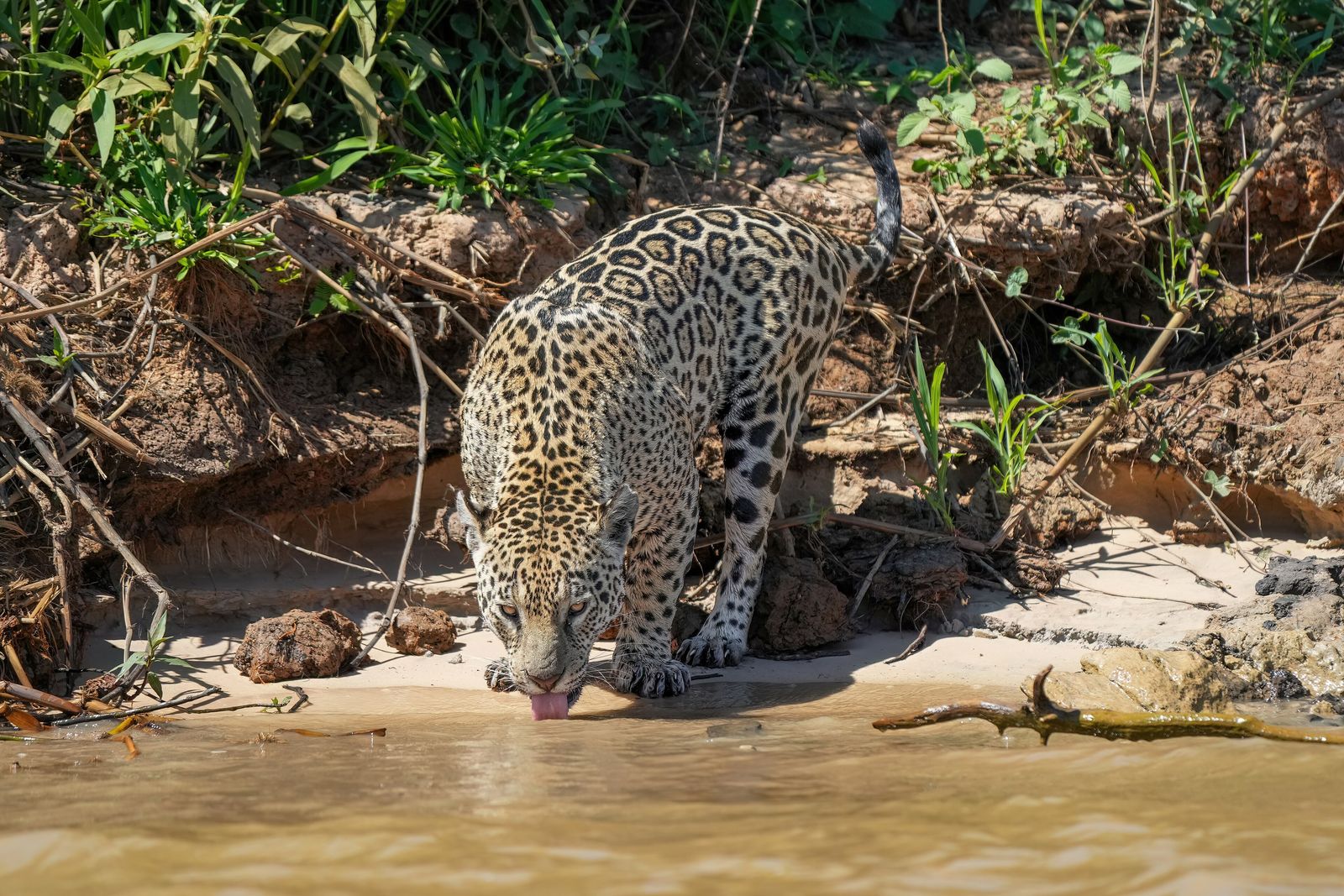
Big cats — jaguar above all — genuinely live throughout the Amazon, but actually seeing one is rare almost everywhere on this list and shouldn't be the expectation for a standard multi-day trip; fresh tracks, a warning call from monkeys overhead, or a guide's camera-trap photo is the realistic version of a cat story here, much as it is in Costa Rica's Corcovado. Tapirs are similarly present but elusive, more often encountered at a remote clay lick or waterhole at night than on a daytime trail. As with any wildlife trip, treat any lodge or operator promising guaranteed up-close animal encounters with real skepticism — the sightings worth traveling for are the wild, unscripted ones, and a good guide's honesty about the odds is itself a sign of a lodge worth booking.
Costs and budgeting
Amazon trips are priced almost entirely as multi-day, all-inclusive lodge packages rather than the pay-as-you-go model common elsewhere, since there's no independent lodging or dining option once you're past the gateway city. That structure makes budgeting more predictable but also means there's less room to cut costs mid-trip than on a typical backpacking itinerary.
Budget lodges, mostly around Iquitos and Puerto Maldonado, run roughly $80 to $150 per person per night, all-inclusive of meals, basic guiding and transfers from the gateway city — simple accommodations, shared or cold-water bathrooms in some cases, and smaller guide-to-guest ratios. Mid-range lodges, the largest tier and where most of the well-known names above sit, run around $150 to $350 per person per night, with better food, private bathrooms, and more varied daily activities. Higher-end lodges — Inkaterra Reserva Amazonica and similar properties — run $350 and up per night, adding private guiding, more remote or exclusive locations, and noticeably higher production value on food and rooms. Most packages are sold in three- to five-night blocks rather than priced per single night, since a one-night stay barely covers the transfer time in and out.
Add the getting-there costs on top: domestic flights within Peru, Ecuador, Colombia or Brazil generally run $80 to $250 round-trip depending on route and season, and the international flight into whichever country's capital or hub is usually the single largest expense of the whole trip. A realistic total for a five- to seven-day Amazon trip, lodge package plus domestic flights, lands somewhere between $700 on the budget end and $2,500-plus on the higher end, before the international flight.
Currency varies by country — Peruvian sol, Colombian peso, Brazilian real, U.S. dollar in Ecuador, which uses the dollar as its official currency — and most lodges price packages in U.S. dollars regardless, since the vast majority of guests are international. Tipping guides and boat drivers is customary and appreciated everywhere on this list, typically $10 to $20 per guest per day as a rough guide, though it's worth checking whether a specific lodge already builds a service charge into its rates.
Health, safety and practical tips
The realistic risk profile of an Amazon trip is health and logistics, not crime — gateway cities like Iquitos, Manaus and Leticia are generally safe for visitors sticking to normal tourist precautions, and lodges themselves are remote enough that street crime simply isn't a factor once you've left the city.
Malaria and yellow fever: both are present in parts of the Amazon basin, and requirements and recommendations vary meaningfully by country and specific region — Brazil, Peru, Ecuador and Colombia each set their own yellow fever vaccination rules, and some require proof of vaccination for entry or onward travel within the country. Check current guidance with a travel clinic or your home country's health authority well before departure, ideally at least a few weeks out since the yellow fever vaccine needs time to take effect.
Mosquito-borne illness generally: beyond malaria and yellow fever, dengue and zika are both present in parts of the basin. A DEET-based repellent, long sleeves and pants especially at dawn and dusk, and permethrin-treated clothing for a longer trip are all standard, sensible precautions.
Water and food: stick to bottled, boiled or filtered water throughout — lodges routinely provide this — and be cautious with raw produce washed in untreated water, particularly outside a well-established lodge's kitchen.
Sun and humidity: the equatorial sun is intense even under partial cloud cover, and humidity in the 80–90 percent range is typical most of the year. Lightweight, breathable, quick-dry clothing works far better than heavy technical gear built for cooler climates.
Boat safety: life jackets should be available and worn on longer river transfers, particularly on faster boats or larger rivers like the main Amazon channel itself; ask if none are offered.
Connectivity: plan on little to no cell signal or wifi once you leave the gateway city — most lodges run generator power for a few hours a day and have limited or no internet access. Tell people back home in advance rather than expecting to check in daily.
Insurance: genuine travel insurance with medical evacuation coverage matters more here than almost anywhere else on this list, given how remote most lodges are from the nearest hospital.
Language: Spanish covers Peru, Ecuador and Colombia; Portuguese covers Brazil. English is spoken at most established lodges and by their guides, but far less so in gateway cities and river towns — a few phrases in the local language go a long way, and many guides speak an indigenous language as their first tongue in addition to Spanish or Portuguese.
A suggested route
Most Amazon trips run five to eight days once you factor in the flights and transfers to actually reach a lodge, and cramming more than one gateway country into a single trip rarely makes sense given how far apart Manaus, Iquitos, Puerto Maldonado and Leticia are from each other. Pick one country, and treat the Amazon leg as either the whole trip or a meaningful add-on to something else in the region.
- Days 1–2: fly into your gateway country's capital or hub — Lima, Quito, Bogotá or a Brazilian hub city — then connect to your gateway city (Iquitos, Puerto Maldonado, Coca or Tena, Leticia, or Manaus) the same day or the next morning.
- Day 2 or 3: transfer by boat to the lodge itself, which can take anywhere from under an hour to most of a day depending on how remote the property is. Most lodges schedule a short orientation walk or evening activity on arrival day once guests settle in.
- Days 3–5: the core of the trip — two guided outings a day, generally a dawn or morning activity and a night walk or boat ride, rotating through canopy towers, clay licks, canoe trips and forest hikes depending on the specific lodge and season.
- Day 6: transfer back to the gateway city, with time built in for the boat journey to run long — Amazon river levels and weather can add hours to a transfer that looked shorter on paper.
- Days 7–8 (optional extension): in Peru specifically, Puerto Maldonado's short flight to Cusco makes it easy to add Machu Picchu and the Sacred Valley onto the same trip; in Colombia, Leticia's position at the tri-border makes a short Peru or Brazil river crossing a realistic add-on for travelers who want to say they've stood in three countries in one afternoon.
If the Amazon is one leg of a longer South American or jungle-focused trip, it pairs naturally with the countries around it: our guides to Colombia's jungle and Costa Rica's rainforest cover the two destinations travelers most often compare against the Amazon's scale and biodiversity before deciding where to spend the bulk of a trip.
Common questions
Which country has the best Amazon rainforest for a first visit?
Peru is the most common starting point, mainly because it's the most developed circuit — Puerto Maldonado connects easily to Cusco and Machu Picchu, Iquitos has direct flights from Lima, and there's a wide range of well-run lodges at different price points. Ecuador is a close second for travelers who want a shorter overall trip, since the flight-plus-drive from Quito is faster than most alternatives.
How many days do you need in the Amazon?
Three nights at a lodge is the practical minimum to make the transfer time worthwhile, and five to seven days total, including flights and gateway-city time, is a comfortable, realistic trip length for most travelers. Shorter trips tend to feel like mostly transit with a rushed day or two of actual jungle time.
Is it safe to swim in the Amazon River?
Yes, in the right spot with a local guide — many lodges run supervised swimming, often after a piranha-fishing outing in the same stretch of water, and guides know which areas are calm and free of stronger currents or caimans. It's not something to do independently in an unfamiliar stretch of river.
Will I actually see a jaguar?
Probably not, and it's worth going in with that expectation. Jaguars genuinely live throughout the Amazon, but sightings are rare even on multi-day trips with excellent guides; fresh tracks or a camera-trap photo is the realistic version of a cat story here. Treat any operator promising a guaranteed sighting with skepticism.
Do I need vaccinations to visit the Amazon?
Requirements vary by country, and yellow fever vaccination is commonly required or recommended for entry into Amazon regions of Brazil, Peru, Ecuador and Colombia. Check current, country-specific guidance with a travel clinic well ahead of departure, since some vaccines need time to become effective.
Is the Amazon more expensive than Costa Rica or Southeast Asia?
Generally comparable to mid-range Costa Rica once lodge packages and domestic flights are factored in, and often more expensive than budget Southeast Asian jungle travel, mainly because Amazon lodges are priced as all-inclusive multi-night packages rather than pay-as-you-go stays. A realistic five- to seven-day trip, lodge and domestic flights included, runs roughly $700 to $2,500-plus depending on the tier of lodge chosen.
Where to go from here
The Amazon rewards picking one country and one gateway rather than trying to sample all four in a single trip — the distances between Manaus, Iquitos, Puerto Maldonado and Leticia are too large, and the value is in slowing down at one lodge rather than covering ground. Start with our Peru, Brazil or Colombia destination pages for a shortlist of vetted stays, or browse the full directory if you're still deciding where the Amazon fits against another jungle destination. If you're building out a longer South American or jungle-focused trip, our Colombia jungle travel guide and roundup of the best jungle Airbnbs in the world are good next stops before you commit to a single itinerary.
- Kuoda Travel — Cities Near the Amazon Rainforest — gateway city overview for Manaus, Iquitos, Puerto Maldonado, Leticia and Tena.
- Rainforest Cruises — Amazon Rainforest Weather: Seasons & Best Time To Visit — dry/wet season timing by region.
- Puerto Maldonado Tours — Best Time to Go to the Amazon — Puerto Maldonado and Iquitos monthly rainfall patterns.
- Alpas Journeys — Insider's Guide to the Best Amazon Lodges in Peru and Ecuador — Napo Wildlife Center, La Selva, Refugio Amazonas, Tambopata Research Center details.
- Rough Guides — The 10 Best Jungle Lodges in the Amazon — Cristalino Lodge and Inkaterra Reserva Amazonica details.
- Rainforest Cruises — National Parks of the Amazon Rainforest — Manu, Yasuní and Amacayacu national park facts and species counts.
- Nomads Beyond — Leticia, Colombia: The Gateway to the Amazon — Leticia access, tri-border geography and seasonal rhythm.
- Happy Gringo — Tena Ecuador: Gateway to Amazon Jungle Adventures — Tena access from Quito and Ecuadorian Amazon logistics.
More from the Journal.
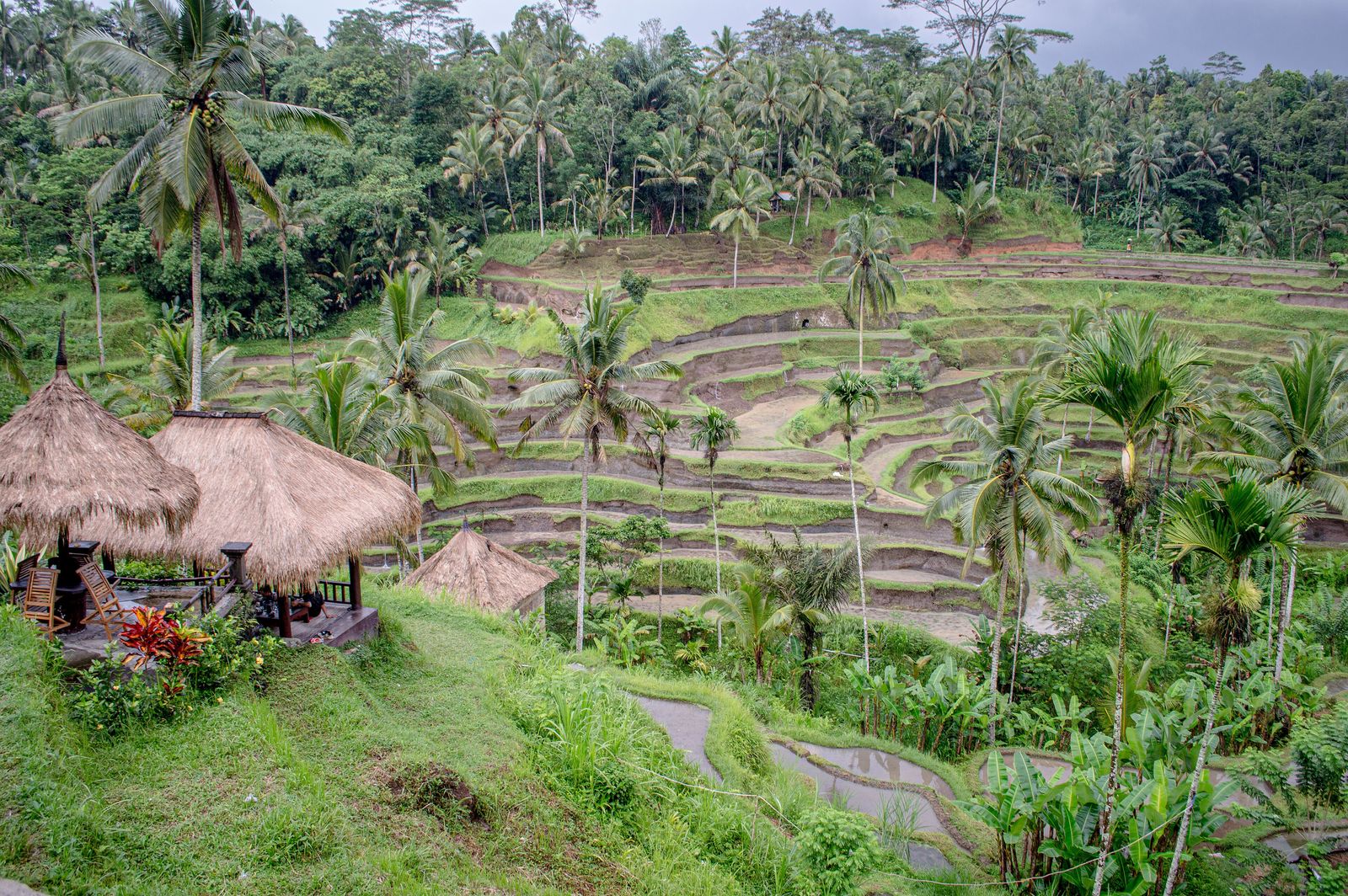 Photo: Philip Nalangan, CC BY 4.0
Bali Jungle Travel Guide
Everything you need to plan the interior of Bali — Ubud, Sidemen and the northern highlands — where to stay in the jungle, when to go and what it actually costs.
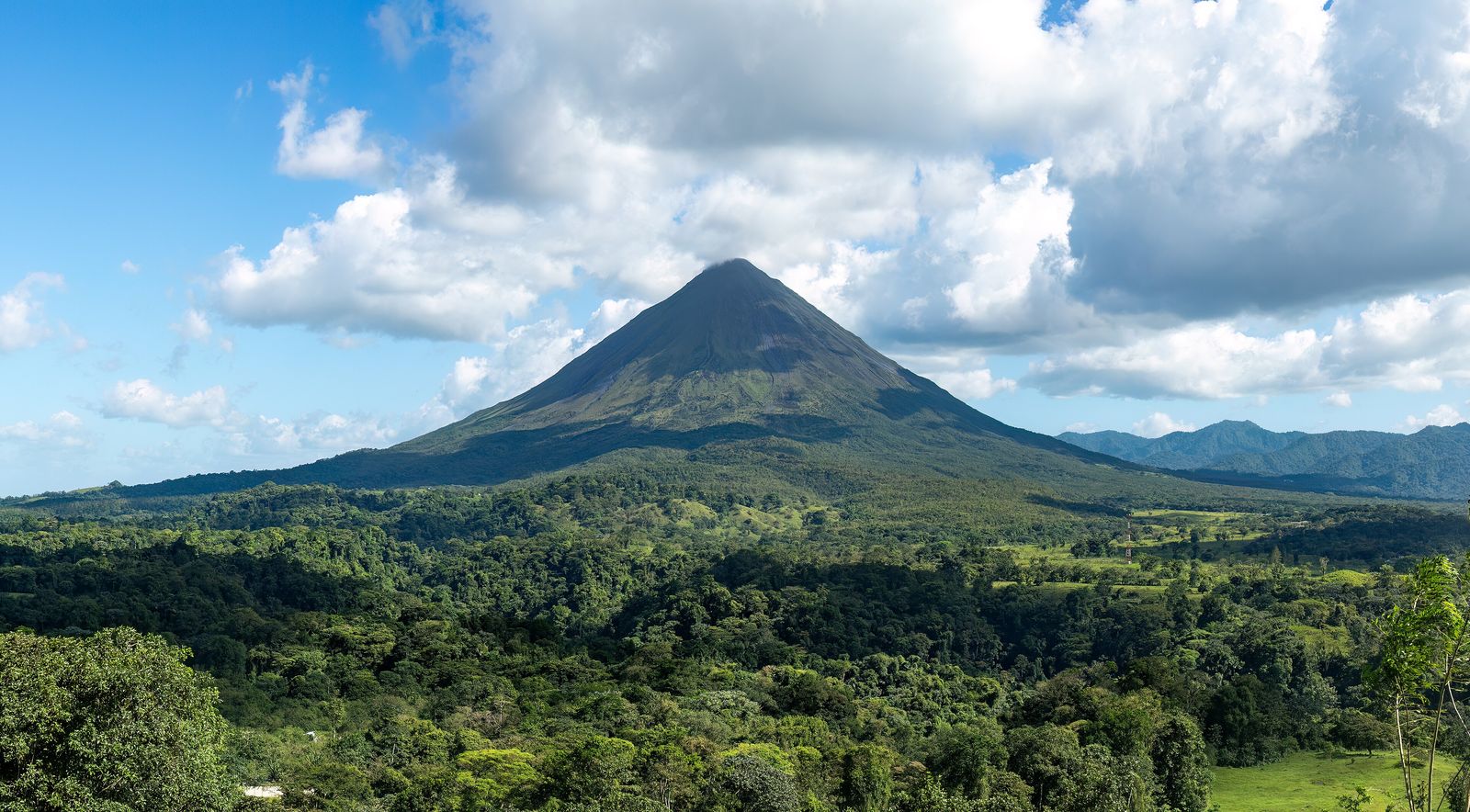 Photo: Rhododendrites, CC BY-SA 4.0
Costa Rica Rainforest Travel Guide
The definitive guide to Costa Rica's rainforests — cloud forest, Pacific lowlands and the wild Osa Peninsula — with where to stay and when to go.
 Photo: Rushenb, CC BY-SA 4.0
Thailand Jungle Travel Guide
Beyond the beaches: Khao Sok's ancient rainforest, the northern hills around Chiang Mai and the karst jungle of the south.
 Photo: Derek Ramsey (Ram-Man), CC BY-SA 4.0
Find your own piece of the canopy.
Treehouses, bamboo houses and rainforest villas across 17 destinations — found, vetted and written up honestly.
Browse all destinations