Puerto Rico & El Yunque Rainforest Guide
Most of the destinations on this site require a flight, a visa page, and some acclimating to a new currency before you even reach the trees. Puerto Rico doesn't ask any of that of a U.S. traveler, and that's part of why El Yunque gets underestimated. It's the only tropical rainforest in the U.S. National Forest System, reachable in under an hour from San Juan on a paved road, and it's a real rainforest — dense, loud with frogs after dark, wrung out by rain most afternoons — not a scaled-down approximation for people short on time. This is a working guide to Puerto Rico's rainforest country: El Yunque itself, the quieter mountain and karst forests inland, when to go and how the hurricane calendar actually affects a trip, and where to base yourself if you want jungle at the door rather than a day trip from a resort.
Puerto Rico's rainforest, honestly
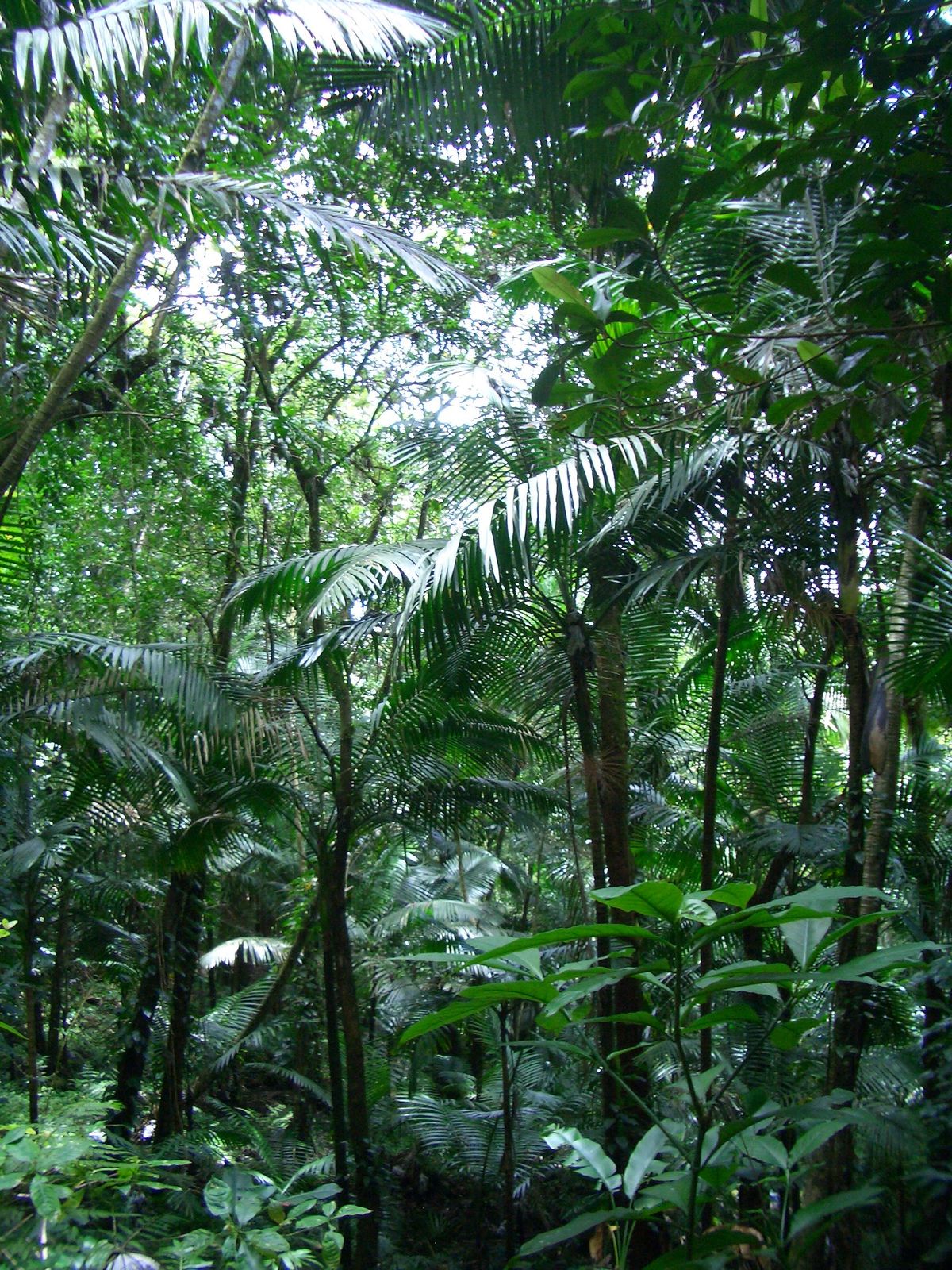
El Yunque National Forest sits in the Sierra de Luquillo, in the northeastern corner of Puerto Rico, roughly 25 miles southeast of San Juan. It covers more than 28,000 acres and holds the distinction, official and slightly odd-sounding until you think about it, of being the only tropical rainforest inside the U.S. National Forest System. Every other national forest in the country is temperate. This one is not, and it shows the moment you're under the canopy — the humidity is immediate, the plant life is stacked in unfamiliar layers, and the sound of running water is almost never absent.
It's also one of the older protected forests in the Western Hemisphere, which matters more than it might sound like it should. Long-standing protection means the forest wasn't logged out and replanted the way a lot of tropical land has been; what you're walking through has had a genuinely long time to become itself. The forest was known for years as the Caribbean National Forest before reverting to the local name, El Yunque, taken from the mountain at its center — a name that locals will tell you comes from Yúquiyu, a benevolent spirit in Taíno mythology associated with the mountain, though you'll also hear the more literal explanation that the peak's shape resembles an anvil (yunque in Spanish).
The honest caveat, and it's a useful one before you build a whole trip around "Puerto Rico's rainforest": El Yunque is the rainforest, singular, in the sense that matters for the National Forest designation. Puerto Rico has other forested regions worth knowing about — mountain forest in the central highlands, limestone karst forest in the north-central interior, dry forest on the southwest coast — and they're covered in the next section, because lumping them all together the way people lump together "Costa Rica's rainforest" would be misleading. But if a single jungle is the reason you're looking at Puerto Rico at all, it's this one, and it earns the reputation on its own terms rather than needing the rest of the island to prop it up.
What makes El Yunque different from bigger, wilder rainforest destinations covered elsewhere on this site — the Amazon, or the interior of Costa Rica — isn't scale. It's accessibility layered on top of genuine wildness. There's a paved road, PR-191, that climbs well into the forest, a proper visitor center, marked trails with signage, and a swimmable waterfall a short walk from a parking area. None of that dilutes what's actually growing and living around you. It just means you don't need a multi-day expedition to get inside it, which is rare for a forest this dense and this alive.
The regions, and how they differ
"Puerto Rico's rainforest" is really a handful of distinct forest types scattered across a small island, and knowing which one you're headed to changes what to expect underfoot and overhead.
El Yunque and the Sierra de Luquillo
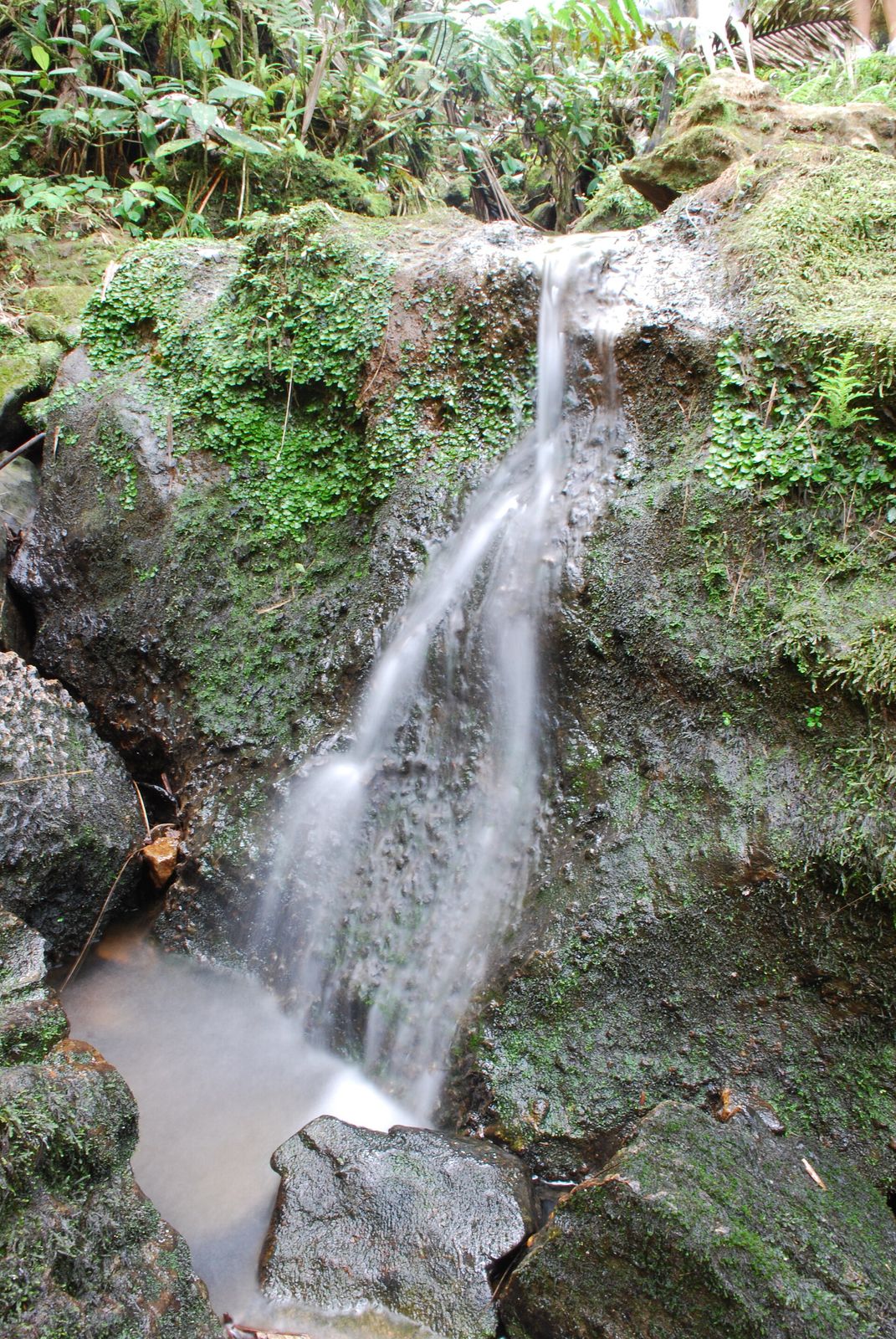
This is the main event and the reason most people are reading this guide at all. The Sierra de Luquillo rises sharply from the northeastern coast, which means the forest catches moisture coming off the Atlantic and wrings it out as rain almost daily, feeding the rivers and waterfalls that define a visit here. Elevation does real work inside El Yunque's boundaries: the lower slopes hold tabonuco forest, tall hardwood canopy typical of Caribbean lowland rainforest, while higher up the trees shrink and gnarl into dwarf or "cloud" forest, stunted by wind and near-constant moisture near the peaks. It's a short drive from sea level to a genuinely different-feeling forest, which is part of what makes El Yunque punch above its size.
The Cordillera Central and Toro Negro
Puerto Rico's interior mountain spine, the Cordillera Central, runs across the middle of the island and holds a different kind of forest entirely — cooler, higher, and centered on the island's tallest peaks. Toro Negro State Forest, straddling the spine near the towns of Jayuya and Ciales, protects a chunk of this high-elevation forest, with mist that settles in most afternoons and a noticeably cooler feel than the coast. It's far less visited than El Yunque, which is both its appeal and its limitation: fewer facilities, a quieter trail, and a reminder that El Yunque isn't the only wild corner of the island, just the best set up for a visit.
Río Abajo and the karst country
North-central Puerto Rico sits on limestone, and centuries of water working through that limestone has carved a landscape of steep, rounded hills called mogotes and a network of caves underneath them. Río Abajo State Forest, in this karst belt, is planted forest rather than untouched primary growth, but it plays an outsized conservation role: it's home to a second wild population of the Puerto Rican parrot, established specifically because a single population confined to El Yunque was too vulnerable to a direct hurricane hit. If karst scenery interests you beyond the birds, the Arecibo area's cave systems and sinkholes are close by and worth a half-day on their own.
Guánica and the dry-forest counterpoint
It's worth knowing Puerto Rico isn't wet everywhere, and Guánica State Forest on the southwest coast is the clearest proof — a UNESCO-recognized subtropical dry forest that gets a small fraction of El Yunque's rainfall, holds cactus and thorn scrub instead of broadleaf canopy, and is a genuinely good stop for dry-forest bird species you won't see up north. It's not a rainforest and doesn't pretend to be one, but pairing a day here with time in El Yunque gives a far more honest sense of how much this small island's ecosystems actually vary than staying in the northeast the whole trip would.
The offshore islands
Culebra and Vieques, both reachable by ferry or small plane from the main island, aren't forest destinations, but they round out a Puerto Rico trip well if beach time is part of the plan. Vieques in particular is home to Mosquito Bay, widely regarded as the brightest bioluminescent bay on Earth — a genuinely strange, worth-seeing phenomenon caused by a dense concentration of dinoflagellates that glow when the water is disturbed. It's a natural pairing with a rainforest-focused trip rather than a substitute for one.
When to go
Puerto Rico runs warm year-round — expect an average somewhere around 80°F (27°C) most months — so "when to go" here is really a question about rain, hurricanes and crowds rather than temperature.
- December–April: the closest thing the island has to a dry season, with days that run warmer and sunnier, humidity a notch lower, and calmer seas. It's also peak tourist season and holiday pricing, especially around Christmas, New Year's and Easter week, so book lodging and any El Yunque vehicle reservation well ahead.
- Mid-April–June: a genuinely good shoulder window. The winter crowds have thinned, prices ease, and the rains that define the rest of the year haven't fully set in yet.
- June 1–November 30: the Atlantic hurricane season, official start to end, and it overlaps almost exactly with Puerto Rico's rainy season. That doesn't mean the island is unsafe or unpleasant to visit through these months — most days bring a passing shower rather than a storm — but it does mean checking the tropical outlook before you travel and building some flexibility into your dates, particularly in August and September.
- August–September: the peak of both the rain and the hurricane risk. Direct hits are far less common than the season's reputation suggests, but this is the stretch where a trip is most likely to intersect with a genuine storm system, and where afternoon downpours in El Yunque are closest to a daily certainty.
- October–November: rain and hurricane risk both taper off through these months, crowds are thin, and prices tend to follow, making late autumn an underrated window for travelers comfortable with some remaining rain risk.
Within El Yunque itself, rain isn't really seasonal so much as constant background weather — the forest's upper reaches can see rain on the large majority of days across the year, which is exactly what keeps it a rainforest rather than a seasonal jungle. Plan for a poncho and quick-dry clothes whenever you go, rather than expecting to time a visit around dry days.
Wildlife has its own smaller calendar layered on top. Coquí frogs — the tiny, famously loud tree frogs that give Puerto Rico's nights their soundtrack — call year-round after dark, but the chorus is fullest and loudest during the wetter months. The Puerto Rican parrot doesn't follow a tourist-friendly viewing season at all; sightings in the wild are a matter of luck and a good guide rather than timing a trip around a breeding window.
Good to know
Vehicle access to El Yunque's most popular areas, including the La Mina Recreation Area where the main falls trail starts, has required an advance reservation through Recreation.gov since 2022, with a small per-person fee. Weekends and holiday periods fill fastest. Book this before you land, not after — it's the one part of an El Yunque day that genuinely can't be improvised.
Getting there and getting around
Puerto Rico is a U.S. territory, which simplifies more of this trip than people expect: U.S. citizens don't need a passport to travel from the mainland, there's no customs or immigration on arrival, and the U.S. dollar is the currency, so there's no exchange rate to think about. Spanish is the primary language island-wide, and English is common in San Juan and the main tourist areas, less so once you're in smaller inland towns.
Luis Muñoz Marín International Airport (SJU), on the edge of San Juan, is the main gateway, with frequent nonstop flights from Miami, New York, Atlanta, Dallas and a long list of other U.S. cities, plus a smaller set of international routes. It's the airport almost every El Yunque-focused trip will fly into, given how close the forest sits to San Juan.
El Yunque is genuinely close — under an hour's drive from San Juan on a normal day, via Route 3 and then PR-191, the road that climbs into the forest itself. A rental car is the simplest way to manage that drive on your own schedule, and Puerto Rico's road network is a familiar U.S.-style setup: paved highways, English and Spanish signage, standard rental car procedures. Guided day tours from San Juan are a solid alternative if you'd rather not navigate the reservation system and mountain roads yourself, and they're worth considering on a first visit, since a knowledgeable driver-guide can make the difference in spotting wildlife you'd otherwise walk past.
If you're basing yourself in Río Grande, Luquillo or Fajardo rather than commuting from San Juan, the drive into El Yunque shrinks to 15–30 minutes, which is the practical case for staying close rather than treating the forest as a single day trip bolted onto a San Juan-centered vacation. Getting to the interior mountain and karst forests covered above — Toro Negro, Río Abajo — takes considerably more driving on narrower, more winding roads, and neither has anything close to El Yunque's visitor infrastructure, so budget more time and lower expectations for signage and facilities if you head inland.
Where to stay
The towns ringing El Yunque's northern and eastern edges — Río Grande, Luquillo and Fajardo — are where almost every jungle-adjacent stay on this part of the island clusters, and each has a slightly different character. Río Grande sits closest to the forest's main entrance and PR-191, and it's the natural base if getting into El Yunque quickly and repeatedly is the priority. Luquillo, just up the coast, pairs rainforest proximity with one of the island's better-known beaches and a real town center, useful if you want forest mornings and beach afternoons without much driving between them. Fajardo, a bit further east, leans toward the marina and the bioluminescent bay tours at Laguna Grande, and works well as a base if you're combining El Yunque with a day on Culebra or Vieques.
Lodging in this corridor runs from small, family-run casitas and guesthouses tucked into the hills just outside the forest boundary to a handful of dedicated ecolodges. Rainforest Inn, a boutique bed-and-breakfast set into the forest edge near Río Grande, is a good example of the latter — small, quiet, built specifically around the setting rather than treating the rainforest as a view. It's worth knowing this style of stay is the norm here rather than the exception: this is casita-and-guesthouse country, not a resort strip, and that's very much in keeping with what a JungleBnB-style trip is looking for.
For an actual shortlist of vetted stays in this area, see our Puerto Rico destination page, and the wider directory if you're still weighing Puerto Rico against another jungle destination — Florida and Hawai'i both come up often as the other U.S.-accessible options travelers compare it against.
You can eat breakfast on a porch in the hills above Río Grande, be standing under a waterfall inside a national forest forty minutes later, and be back on a beach by early afternoon. Not many jungle destinations on this site let you move that fast between three completely different settings without a single flight or long drive in between.
The best things to do
El Yunque's built-out trail network is the main draw, and it rewards an early start — trailheads fill by mid-morning, especially on weekends, and afternoon rain is close to a daily habit.
- Hike to La Mina Falls: the forest's signature trail, a walk of roughly three-quarters of a mile each way through dense forest down to a waterfall you can swim below. It's the busiest trail in the forest for good reason, and it's the one to prioritize if you only have time for one hike.
- Climb the Mt. Britton Tower: a steeper trail leading to a stone observation tower built in the 1930s, with views back down over the forest canopy toward the coast on a clear day. The upper stretch of this trail passes through the dwarf, cloud-forest vegetation that only grows at El Yunque's higher elevations.
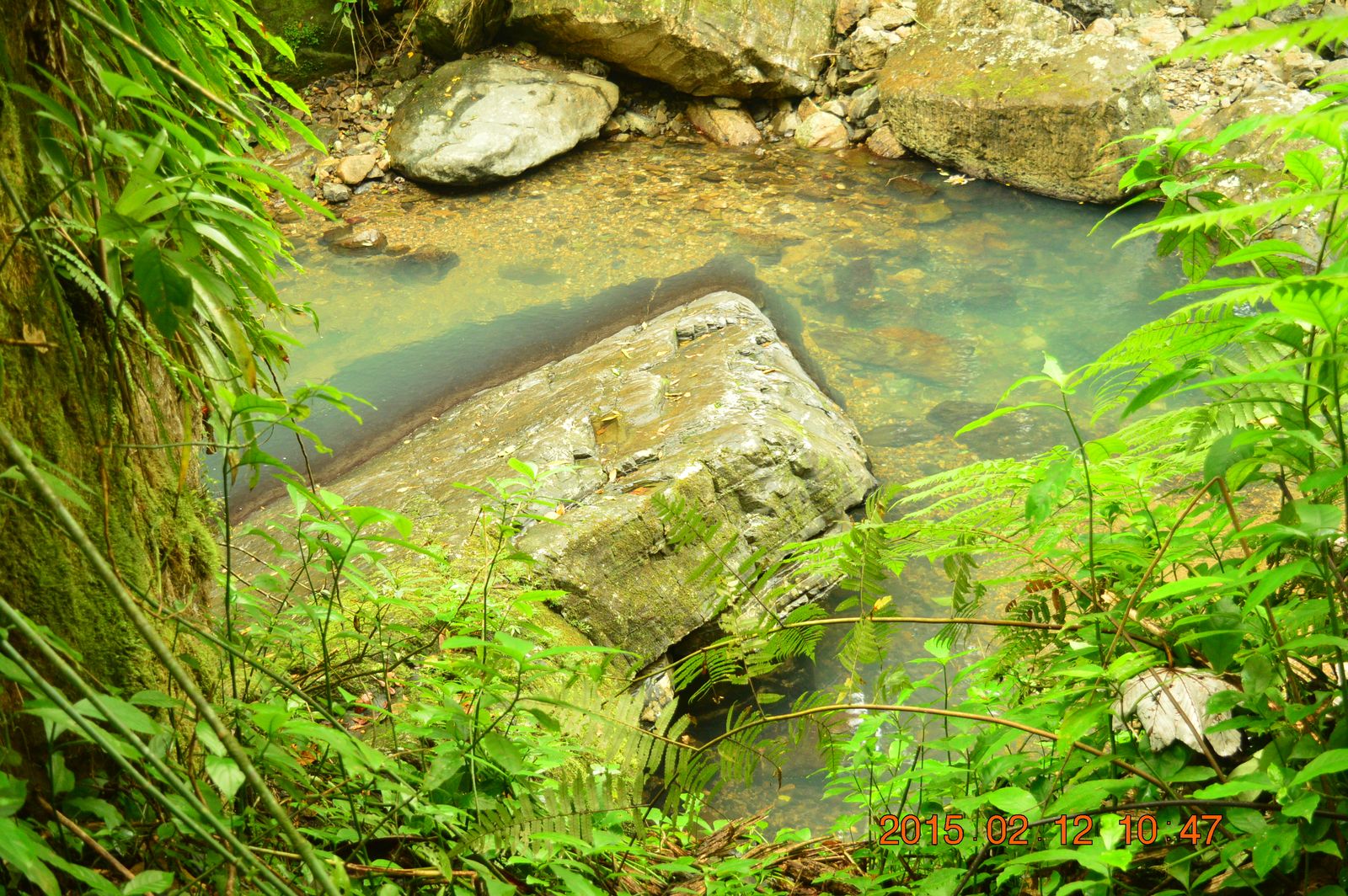
- Walk the Angelito Trail: a short, family-friendly option leading to a river and a natural swimming pool, a good choice if La Mina's crowds or a tight schedule rule out the longer hikes.
- Start at El Portal visitor center: the forest's main visitor center, near the PR-191 entrance, is worth the stop for orientation, exhibits on the forest's ecology and the Puerto Rican parrot recovery program, and a manageable introduction before heading further up the mountain.
- Spend an afternoon at Luquillo Beach: a well-known, calm, family-friendly beach a short drive from the forest, with a strip of local food kiosks along the sand — a genuinely good way to close out a rainforest morning.
- Book a night kayak tour on Laguna Grande, near Fajardo: one of Puerto Rico's bioluminescent bays, where a paddle stroke on a dark, moonless night lights up with a blue-green glow from disturbed dinoflagellates in the water. Go on a guided tour, avoid full-moon nights, which wash out the effect, and treat it as a genuine highlight rather than an afterthought.
- Add a day trip to Culebra or Vieques if time allows: both are reachable by ferry or short flight from the main island, and Vieques' Mosquito Bay in particular is worth the detour for travelers who've already covered El Yunque's trails.
The wildlife you'll actually see
El Yunque's wildlife reputation runs more on sound than sight, and that's not a knock — it's one of the more distinctive things about visiting. After dark, and often starting at dusk, the forest fills with the call of the coquí, a tiny native tree frog small enough to sit on a fingertip, named for the two-note whistle of its call. Puerto Rico has 17 endemic coquí species, and El Yunque alone is home to 13 of them, which makes the forest's night chorus one of the most concentrated coquí experiences anywhere on the island.
The Puerto Rican parrot (Amazona vittata) is the forest's rarest and most significant resident — one of the ten rarest bird species in the world, found nowhere else on Earth, and the focus of a decades-long recovery program that has pulled the species back from the edge of extinction through captive breeding and reintroduction, including the second wild population established at Río Abajo specifically to spread the risk of a single hurricane wiping out the entire species. Seeing one in the wild at El Yunque is a real possibility, but it's a matter of luck, quiet trails and the right time of day rather than something to expect on a single visit — treat any sighting as a genuine highlight, not a given.
Reptiles are a quieter presence: several native anole lizard species are common and easy to spot on trailside vegetation, and the Puerto Rican boa, the island's largest native snake, lives in the forest, though it's nonvenomous, shy and rarely encountered by day hikers. That absence of anything dangerous is worth calling out directly — Puerto Rico has no venomous snakes, no large predatory mammals and nothing in El Yunque that poses a real safety threat to a hiker staying on marked trails, which sets it apart from rainforest destinations where wildlife caution is a real part of trip planning.
Birdlife beyond the parrot includes several hummingbird species and the Puerto Rican tody, a small, vividly colored bird endemic to the island and a favorite subject for birders working the forest's lower trails. Insects and land crabs round out what you'll actually notice on a day hike — this isn't big-mammal wildlife-watching country the way parts of Costa Rica or the Amazon are, and going in with that expectation set correctly makes for a better visit than chasing sightings that aren't really the point here.
Costs and budgeting
Puerto Rico runs closer to mainland U.S. prices than a lot of other jungle destinations on this site, which is worth setting expectations around before you book. There's no currency exchange to think about and no need to convert prices in your head, but that also means there's little of the built-in discount travelers get used to in parts of Latin America or Southeast Asia.
A budget-conscious trip is realistic if you stick to guesthouses and casitas rather than resorts, cook or eat at local spots rather than tourist restaurants, and use a rental car instead of private tours — expect lodging in the low-to-mid range per night in this style, with simple local meals costing noticeably less than restaurant tourist-town pricing. A more comfortable, mid-range trip with a boutique ecolodge stay, a few restaurant meals and a guided tour or two runs considerably higher, and pairing an El Yunque stay with a night or two on Culebra or Vieques adds a real jump in cost given inter-island ferry or flight logistics and generally pricier lodging on the smaller islands.
El Yunque itself is inexpensive to visit on its own terms: the vehicle reservation system charges only a small per-person fee, and the forest's trails carry no separate hiking fee beyond that. The bigger cost swing on a Puerto Rico trip comes from lodging choice and how much of the outer-island add-ons — Culebra, Vieques, guided bio-bay tours — end up in the itinerary, rather than from anything El Yunque-specific.
Health, safety and practical tips
Puerto Rico is, on the whole, a straightforward and safe place to travel, with the practical risks skewing toward weather and terrain rather than crime.
Hurricane season planning: if you're traveling between June and November, check the tropical outlook in the days before departure and build some flexibility into your plans, particularly around late August and September. Travel insurance that covers weather-related disruption is a genuinely good idea for trips booked in this window.
Rain gear, always: El Yunque sees rain on most days regardless of season. Quick-dry clothing, a light rain shell and real footwear with grip matter more here than sun protection alone, though bring sunscreen too — the sun is intense whenever it does break through.
Trail conditions: trails can turn slick fast after rain, and river crossings on some routes can rise quickly during heavy downpours. Stick to marked trails, don't attempt a crossing that looks high or fast-moving, and check current trail status at El Portal before setting out, since closures do happen after storms.
Water: tap water is safe to drink island-wide, a genuine convenience compared with a lot of other tropical destinations covered on this site.
Sun and heat: the coastal lowlands run hot and humid year-round; carry water on any hike and pace yourself, particularly on the steeper trails like Mt. Britton.
Language: Spanish is the everyday language across most of the island. English is reliably spoken in San Juan and the main tourist towns near El Yunque, and less so in smaller inland communities — a few basic Spanish phrases go a long way outside the tourist corridor.
Driving: road rules and signage follow the same conventions as the U.S. mainland, and rental procedures are standard. The mountain roads leading up PR-191 and into the interior forests are narrower and windier than the coastal highways, so allow extra time, particularly after rain.
Reservations: build the El Yunque vehicle reservation into your plans before you arrive rather than assuming you can book it locally — it's the one piece of this trip that genuinely requires advance planning.
A suggested route
Puerto Rico's small size is its biggest planning advantage: a genuinely good rainforest-focused trip doesn't require the multi-region logistics that a country like Brazil or Peru demands. Four to seven days covers El Yunque properly with room for the coast and, if you extend it, the outer islands.
- Days 1–2: land at SJU, pick up a rental car, and settle into a casita or ecolodge around Río Grande or Luquillo. Use the first afternoon to get oriented and rest up from travel; save the forest for a fresh, early start.
- Day 3: El Yunque, starting at El Portal for orientation, then La Mina Falls in the morning before the trail fills in, and the Mt. Britton Tower or Angelito Trail in the afternoon depending on energy and weather. Beat the afternoon rain by starting early.
- Day 4: a slower day — Luquillo Beach, the food kiosks along it, and a rest from hiking, or a second, quieter pass through El Yunque's trails if the forest is the main draw of the trip.
- Day 5: move toward Fajardo for a night kayak tour on Laguna Grande's bioluminescent bay, timed around the lunar calendar for a moonless or near-moonless night.
- Days 6–7 (optional extension): a ferry or short flight to Culebra or Vieques for beach time and, on Vieques, a second and considerably brighter bioluminescent bay at Mosquito Bay, before returning to San Juan for departure.
A shorter, three-day version simply drops the outer islands and keeps the trip anchored in the Río Grande–Luquillo–Fajardo corridor, which is enough to do El Yunque and the bio bay properly without feeling rushed. If Puerto Rico is one stop on a longer Caribbean or U.S. jungle circuit, it pairs naturally with our guides to Florida and Mexico's jungle, both reasonable next stops from San Juan.
Common questions
Do I need a passport to visit Puerto Rico from the U.S. mainland?
No. Puerto Rico is a U.S. territory, so U.S. citizens travel the same way they would to any domestic destination — no passport, no customs, no currency exchange. Non-U.S. citizens should check standard U.S. entry requirements, since the same rules that apply to flying into the mainland apply here.
Do I need a reservation to visit El Yunque?
Vehicle access to the forest's most popular area, including the La Mina Recreation Area where the main falls trail starts, has required an advance reservation through Recreation.gov since 2022, for a small per-person fee. Book this ahead of your trip, especially for a weekend visit, since slots fill up.
How many days should I spend at El Yunque?
One full day covers the highlights — La Mina Falls, one of the tower or river trails, and El Portal — well. Two days lets you go at a slower pace, avoid the busiest midday hours on the main trail, and add a quieter hike like Angelito or a second visit timed around the weather.
Is El Yunque dangerous — snakes, wildlife, terrain?
Not in the way jungle destinations elsewhere can be. Puerto Rico has no venomous snakes and no large predatory mammals, and the Puerto Rican boa found in El Yunque is nonvenomous and rarely encountered. The real practical risks are slick trails after rain and fast-rising streams during heavy downpours — stay on marked trails and respect closures rather than worrying about dangerous animals.
What's the best time of year to visit?
Mid-April through early June is a strong shoulder window — rains haven't fully set in, crowds and prices are down from the winter peak. December through April is the driest and busiest stretch. June through November is hurricane season, with the highest rain and storm risk in August and September, though most days even then bring a passing shower rather than a serious storm.
Can I see the Puerto Rican parrot in the wild?
It's possible but not guaranteed. The parrot is one of the ten rarest birds in the world and exists in the wild only in Puerto Rico, with populations at El Yunque and, thanks to a decades-long recovery program, at Río Abajo State Forest as well. A sighting is genuinely a matter of luck and quiet timing rather than something a single visit can count on.
Where to go from here
Puerto Rico is one of the easiest rainforest trips a U.S.-based traveler can put together — no passport, no long flight, a real tropical forest under an hour from the airport. Start with our Puerto Rico destination page for a shortlist of vetted stays around El Yunque, or browse the full directory if you're still comparing it against other jungle destinations. For other easy-to-reach, U.S.-adjacent jungle trips, our guides to Hawai'i's rainforest and Tulum and the Maya Jungle are natural next reads, and our look at why jungle stays are booming is worth a read if you're trying to decide what kind of trip you actually want next.
- U.S. Forest Service — El Yunque National Forest — official forest overview, size, designation as the only tropical rainforest in the National Forest System.
- U.S. Forest Service — El Yunque Animals — wildlife present in the forest, including coquí species counts and the Puerto Rican parrot.
- Recreation.gov — El Yunque Reservations — vehicle reservation system for the La Mina Recreation Area, fees and booking process.
- Discover Puerto Rico — Exploring El Yunque National Forest — trail overview including La Mina Falls, Mt. Britton and Angelito Trail.
- Discover Puerto Rico — Weather and Climate — year-round temperature and seasonal rainfall patterns.
- Travel and Time — Puerto Rico Hurricane Season: A Traveler's Guide — hurricane season dates and peak-risk timing.
- Forbes — Wildlife Spotlight: Searching For Puerto Rico's Native Parrots — Puerto Rican parrot recovery program and Río Abajo population.
- Rainforest Inn — boutique bed-and-breakfast ecolodge on the edge of El Yunque, referenced as a real stay in the Río Grande area.
More from the Journal.
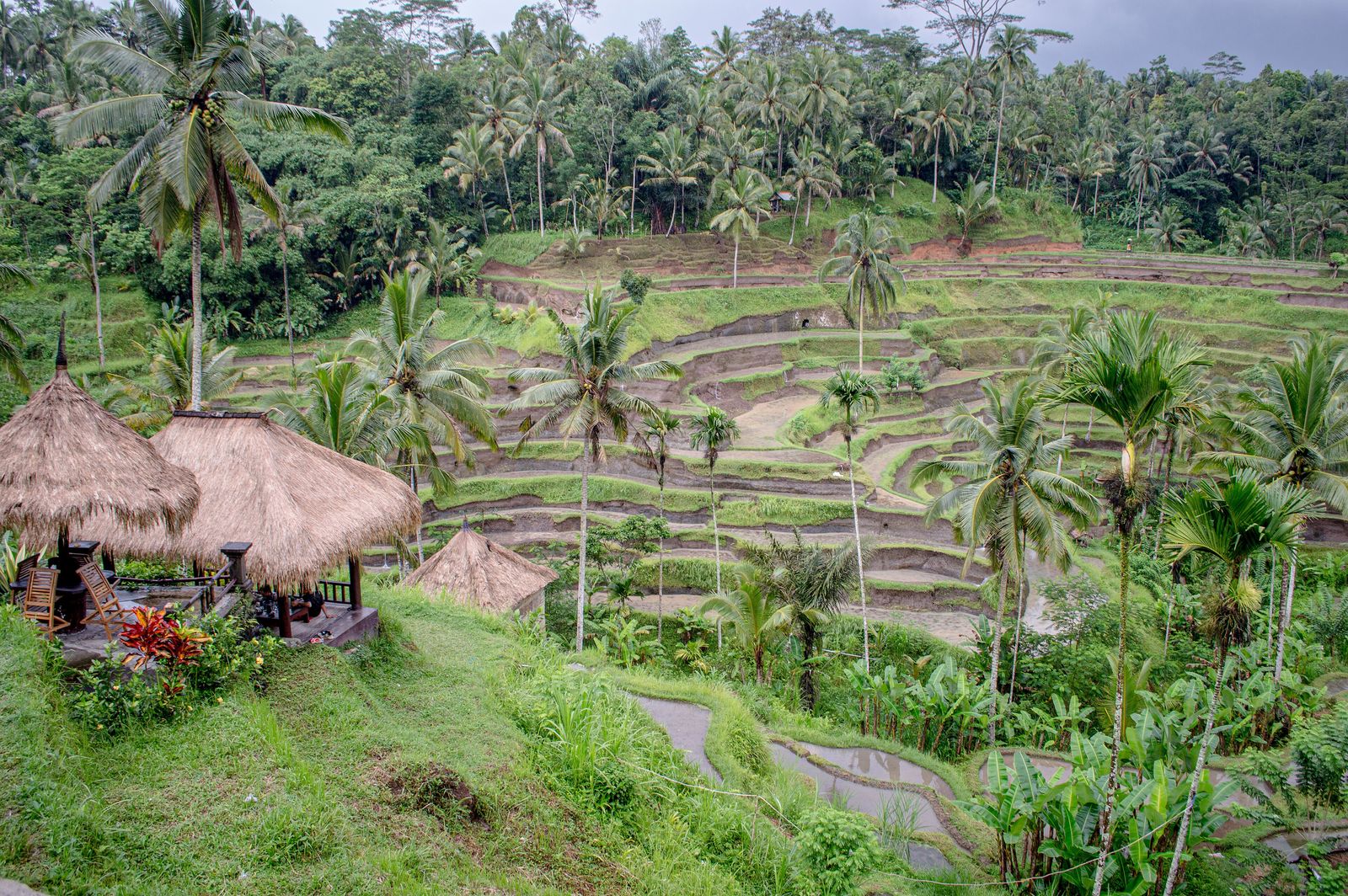 Photo: Philip Nalangan, CC BY 4.0
Bali Jungle Travel Guide
Everything you need to plan the interior of Bali — Ubud, Sidemen and the northern highlands — where to stay in the jungle, when to go and what it actually costs.
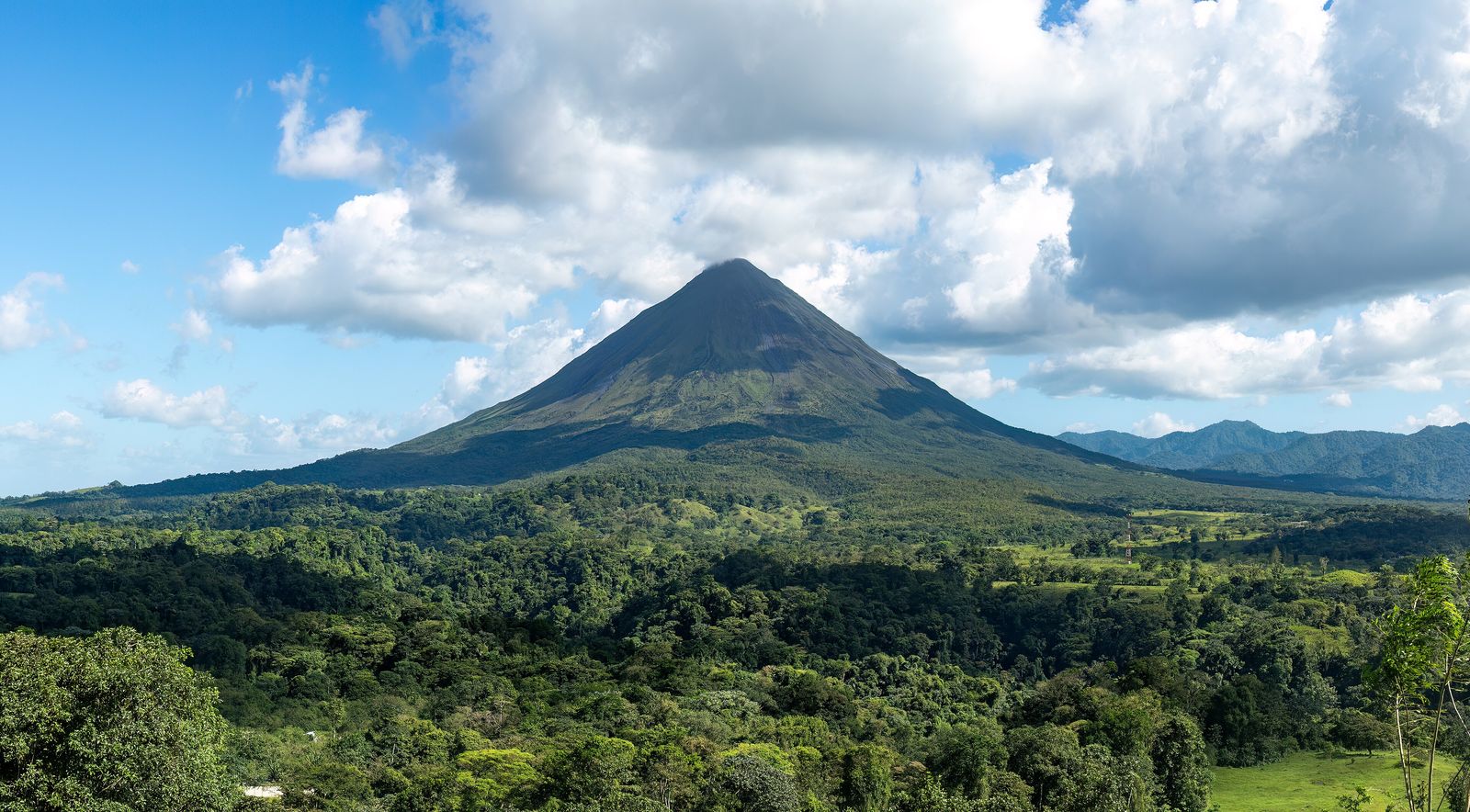 Photo: Rhododendrites, CC BY-SA 4.0
Costa Rica Rainforest Travel Guide
The definitive guide to Costa Rica's rainforests — cloud forest, Pacific lowlands and the wild Osa Peninsula — with where to stay and when to go.
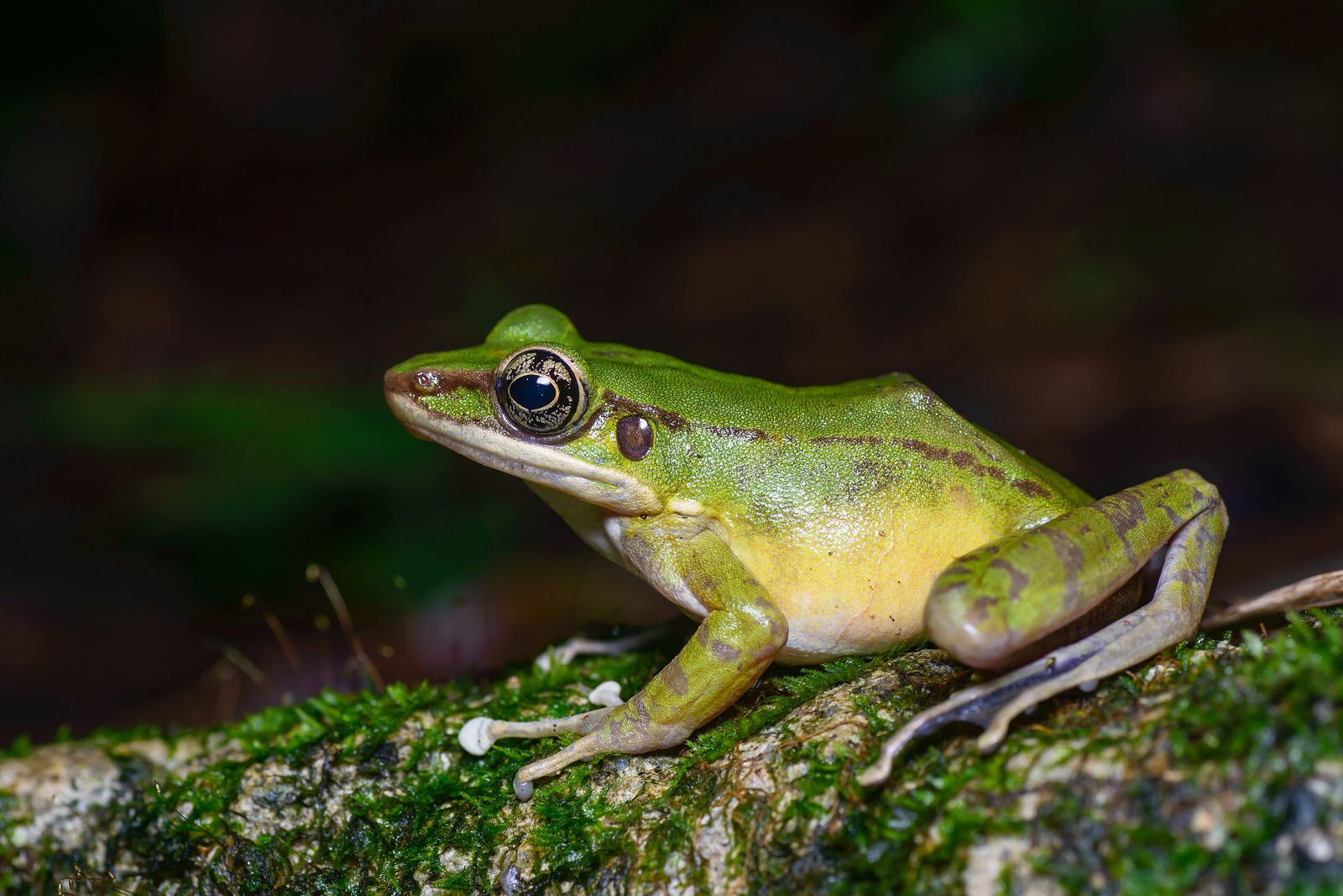 Photo: Rushenb, CC BY-SA 4.0
Thailand Jungle Travel Guide
Beyond the beaches: Khao Sok's ancient rainforest, the northern hills around Chiang Mai and the karst jungle of the south.
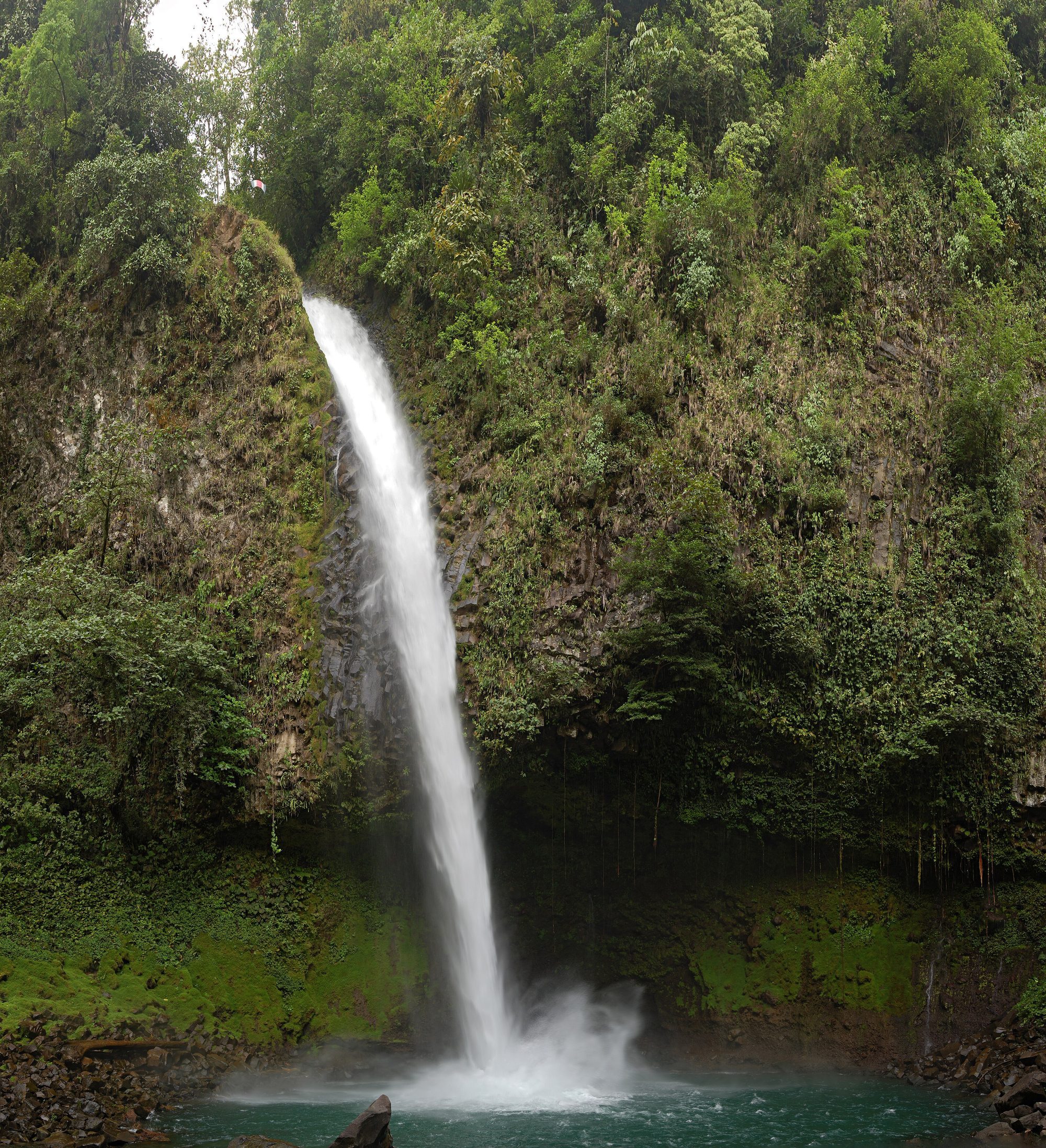 Photo: Derek Ramsey (Ram-Man), CC BY-SA 4.0
Find your own piece of the canopy.
Treehouses, bamboo houses and rainforest villas across 17 destinations — found, vetted and written up honestly.
Browse all destinations