Colombia Jungle Travel Guide
Colombia doesn't have a jungle. It has several, and they don't resemble each other much. There's cloud forest clinging to the world's highest coastal mountain range, a Pacific coastline so wet it's among the rainiest places on Earth, and a slice of the Amazon that alone covers something like 41 percent of the country's territory. Most visitors see one corner and call it "the jungle." This is a guide to treating Colombia's rainforest country as the patchwork it actually is — the Sierra Nevada above the Caribbean, the Chocó on the Pacific, the deep Amazon around Leticia, and a couple of places in between — with honest advice on when to go, how to get there, and where to actually stay.
Colombia's jungle, honestly
For most of the last few decades, Colombia's rainforests were more famous as a security problem than a travel destination, and that reputation still shapes how a lot of people plan around the country — either avoiding it altogether or sticking to Cartagena's old town and calling it a trip. Both reactions miss what's actually here. Since the 2016 peace agreement with the FARC, huge parts of the country that were effectively closed to travelers have reopened, and Colombia has quietly become one of the most biodiverse countries on the planet for anyone willing to get past the coast.
The numbers back that up. Colombia holds more bird species than any other country on Earth, something close to 1,900 of them, and it's second only to Brazil — a country roughly seven times its size — in total biodiversity. That's not an accident of geography so much as a consequence of it: Colombia straddles the equator, has coastline on both the Caribbean and the Pacific, and gets split lengthwise by three separate Andean mountain ranges, which between them create an extraordinary number of distinct microclimates packed into a relatively compact country.
The honest caveat, and it's worth saying plainly: this isn't a uniformly easy country to travel in the way Costa Rica is. Some rainforest regions remain genuinely complicated by the security situation, the Chocó department in particular, where armed groups still operate in parts of the interior. That doesn't mean the jungle is off-limits — it means route-planning here rewards a bit more care and a guide who knows current conditions, rather than assuming every corner of the map is open the way it might be at home. None of the regions covered in this guide are no-go zones as of this writing, but conditions shift, and a quick check of your government's current travel advisory before booking is worth the five minutes.
What you get in exchange for that extra diligence is real range. In a single country you can sleep in a cloud-forest treehouse with a view of the Caribbean, motor for ninety minutes up a genuine Amazon tributary to a lodge accessible only by boat, and watch humpback whales breach off a rainforest coastline that gets some of the heaviest rainfall on the planet. Few countries anywhere, including Brazil and Peru, pack that much ecological range into one manageable itinerary.
The regions, and how they differ
Five areas do most of the work in this guide. They're spread across a genuinely large country, so this isn't a trip you improvise as a single loop — pick two, at most three, and give them real time.
The Sierra Nevada de Santa Marta and the Caribbean coast
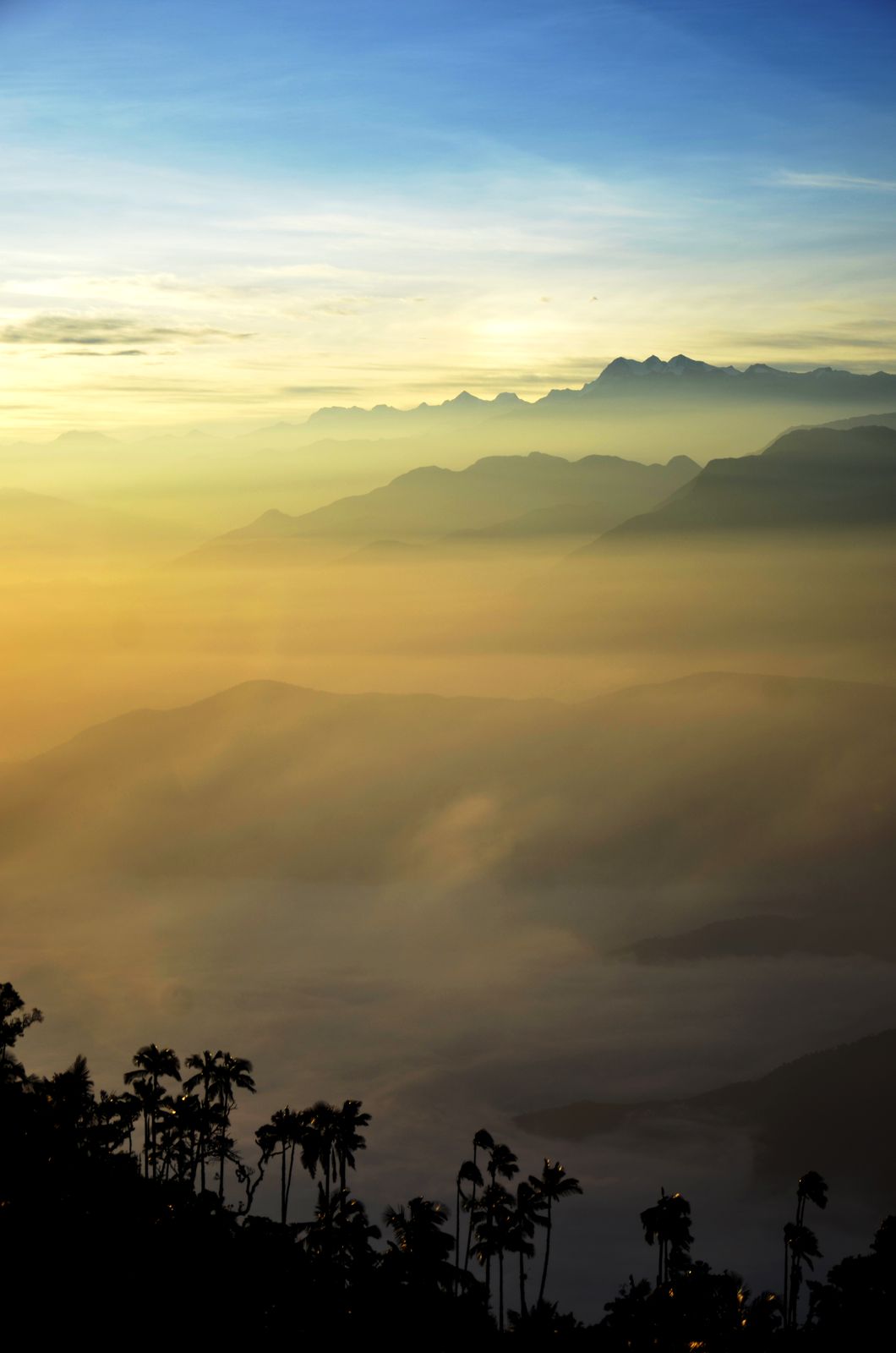
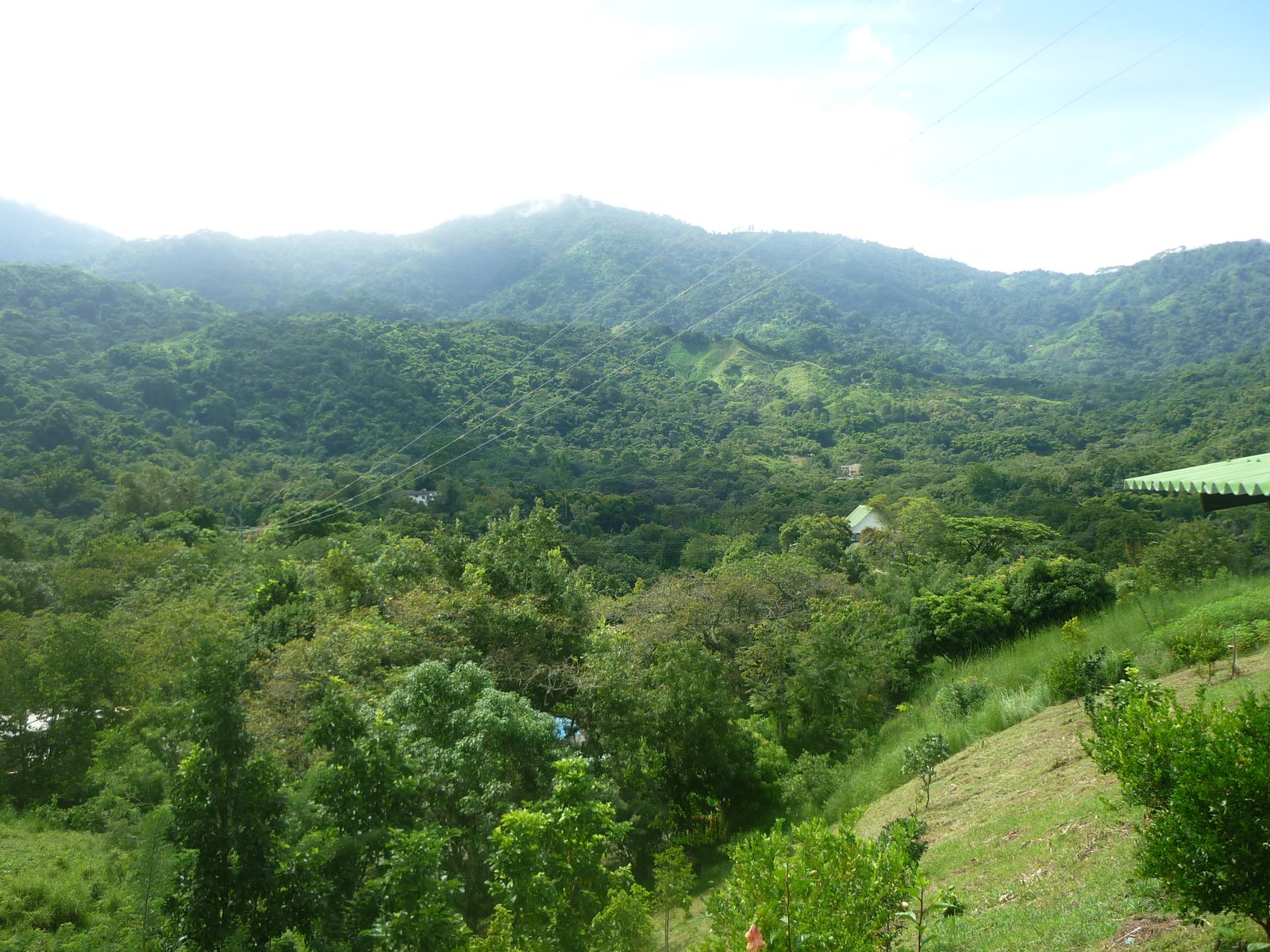
The Sierra Nevada de Santa Marta is the world's highest coastal mountain range, its snow-capped peaks reaching 5,775 meters just 42 kilometers from the Caribbean Sea — a vertical range that exists nowhere else on the planet in that short a distance. That geography stacks ecosystems on top of each other: dry tropical forest and mangrove near the coast inside Tayrona National Park, cloud forest climbing the slopes around the hill town of Minca, and páramo and snowfields far above. It's worth being precise about Tayrona itself — its lowland forest is dry tropical forest, scrubbier and more open than true rainforest, so travelers expecting dense jungle canopy at the beach should recalibrate; the cloud forest that fits this guide's brief sits higher, above Minca. The Sierra Nevada is also sacred ground to four indigenous groups — the Kogi, Arhuaco, Wiwa and Kankuamo — descendants of the Tayrona civilization, and the multi-day trek to Ciudad Perdida, the "Lost City" they and their ancestors built, is one of South America's great jungle hikes, done only with a licensed tour operator.
The Chocó and the Pacific coast
The Chocó biogeographic region runs along Colombia's Pacific coast from Panama down toward Ecuador, and per square kilometer it's considered one of the most biodiverse places on Earth — a function of extraordinary, near-constant rainfall meeting an unbroken run of lowland rainforest between the Andes and the ocean. Towns like Nuquí and Bahía Solano sit right where that forest meets the Pacific, with humpback whales passing offshore from July through October and surf breaks that draw a small, dedicated crowd. It's also the region where the security caveat above matters most: parts of the Chocó's interior see activity from illegal armed groups tied to the drug trade, particularly near the Panama border, and the standard, sensible approach is to fly in and out of coastal towns rather than travel overland or venture inland independently.
The Amazon and Leticia
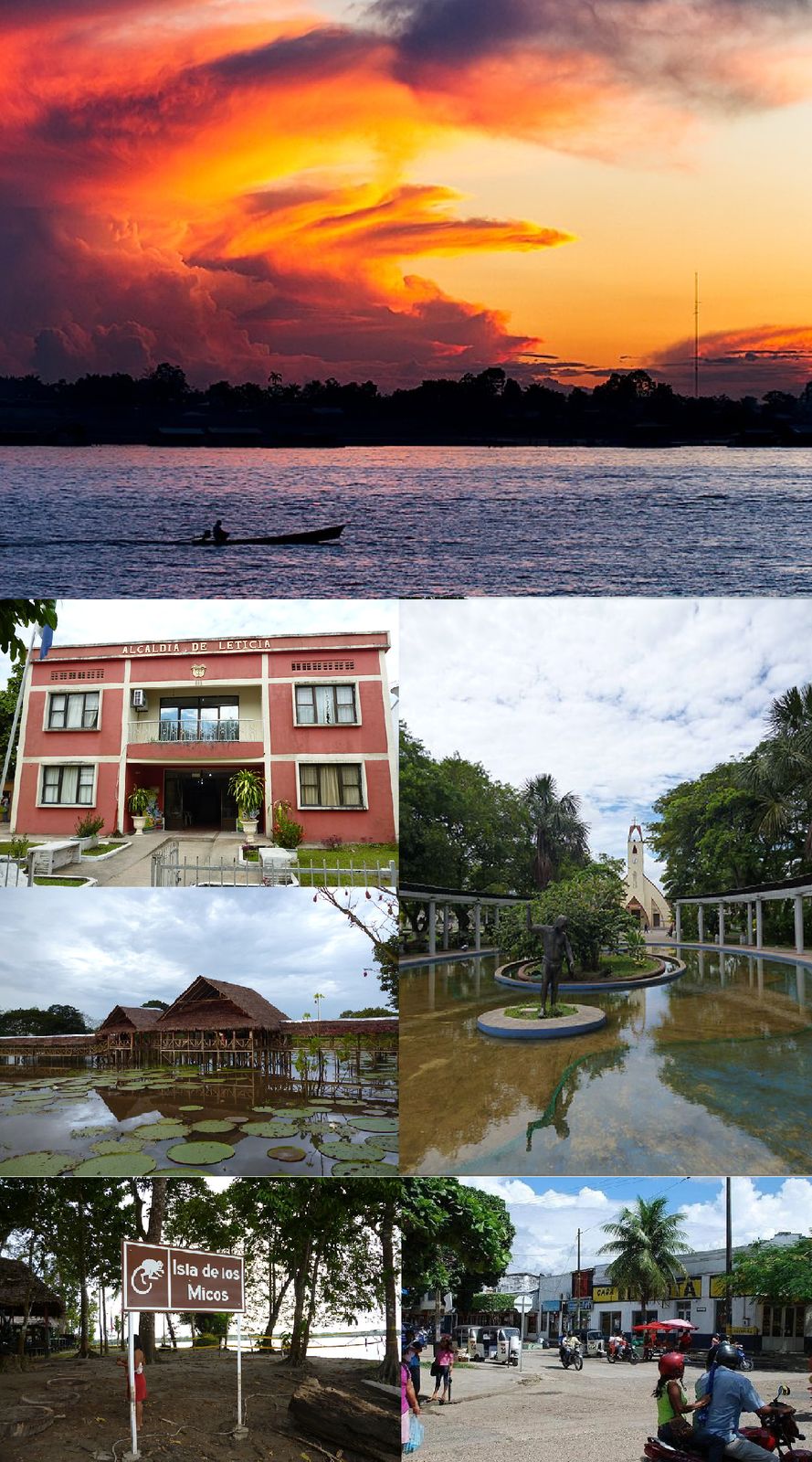
The Amazon covers something like 41 percent of Colombia's national territory, making it by far the largest rainforest region in the country even though it's the one most people picture first when they hear "Colombian jungle." Leticia, Colombia's southernmost city, sits at the point where Colombia, Brazil and Peru meet on the Amazon River, and it functions as the gateway for the entire region — most lodges and reserves are reached from here by boat, since roads essentially don't exist in this part of the country. Amacayacu National Park, a short trip downriver, is the most visited and most accessible reserve, well set up for the boat-based, guide-led way this part of the world has to be seen. Puerto Nariño, further downstream, is a small, car-free river town worth a night on its own.
The Andean cloud forest and coffee region
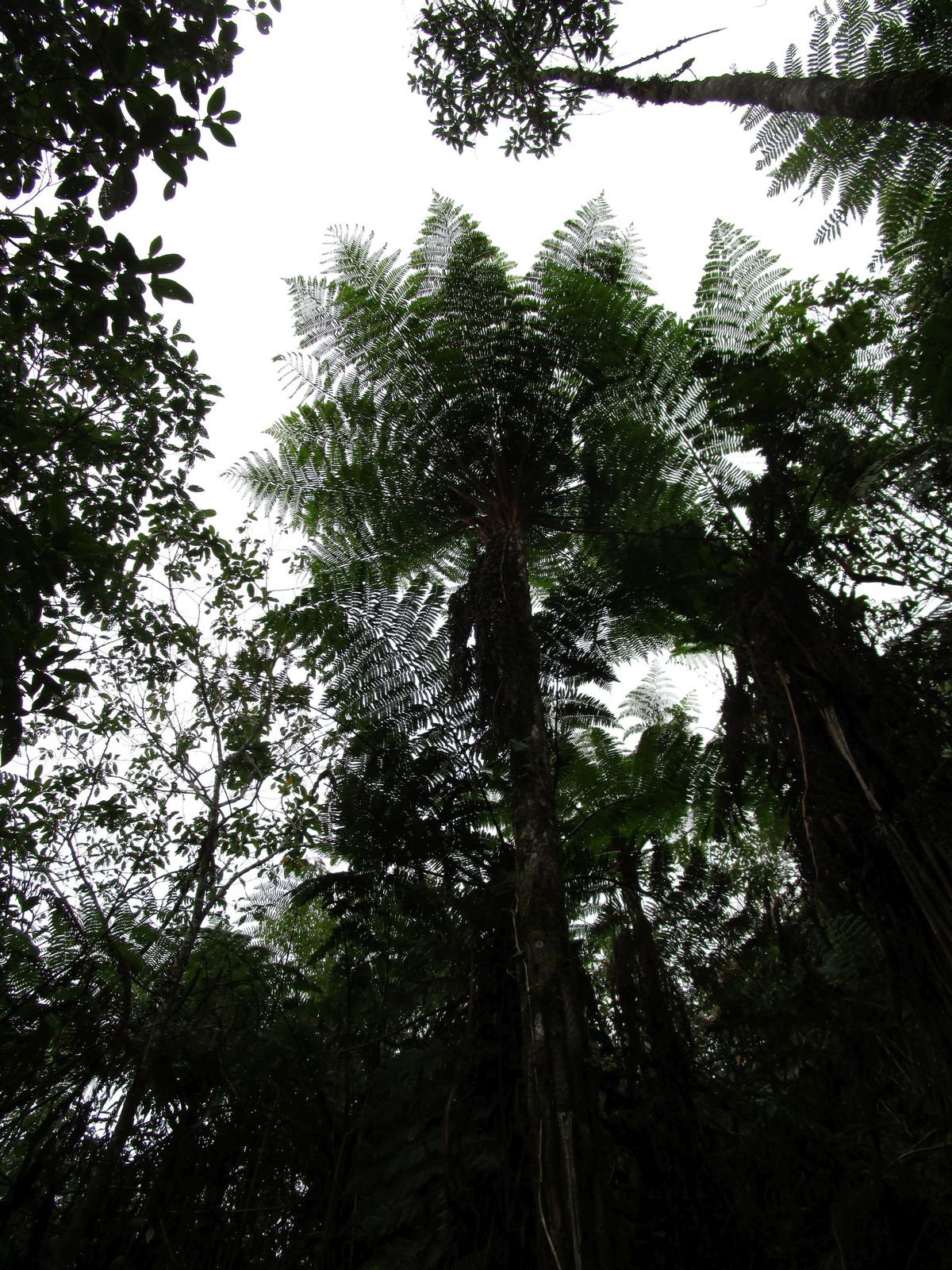
West of the Amazon basin, the central Andes hold a different kind of forest entirely — high-altitude cloud forest rather than lowland jungle, cooler and mistier, threaded through the coffee-growing departments around Manizales, Pereira and Salento. The Cocora Valley's wax palms — Colombia's national tree, and the tallest palm species on Earth — rise out of cloud forest here, and reserves like Otún Quimbaya protect habitat for the Andean condor and, at higher elevations, the spectacled bear, South America's only bear species. It's not jungle in the tropical sense the rest of this guide covers, but it pairs naturally with a Sierra Nevada or Amazon leg for travelers who want the Andes as well as the lowlands.
Los Llanos and the Serranía de la Macarena
East of the Andes, Los Llanos is Colombia's vast tropical grassland, but tucked into its western edge is the Serranía de la Macarena, an isolated mountain range where Amazon, Andean and Llanos ecosystems collide. It's best known for Caño Cristales, a river whose bed erupts in red, yellow, green and blue during a narrow seasonal window when a native plant, Macarenia clavigera, blooms underwater — a phenomenon with no real equivalent anywhere else. Access runs through the town of La Macarena, reached by small plane from Villavicencio, with a certified local guide required, similar in spirit to the guide requirements around Corcovado in Costa Rica.
When to go
Colombia doesn't run on one calendar, because its regions don't share one climate. Treat each leg of a trip separately rather than looking for a single "best month" for the whole country.
- The Caribbean coast and Sierra Nevada: a wet season roughly May through November and a drier stretch December through April, with the Sierra Nevada's higher cloud forest often getting a second, shorter dry spell in July and August. December through March is the most reliable window for Tayrona's beaches and the Ciudad Perdida trek, and also the busiest and most expensive.
- The Amazon around Leticia: runs on a flood pulse rather than a simple wet/dry split. High water, roughly November through May, floods forest trails but opens up canoe access to flooded forest and lets boats reach spots like Isla de los Micos that are inaccessible otherwise. Low water, roughly June through October, exposes riverbanks and beaches and makes hiking easier, but some boat routes shrink or disappear. Neither season is objectively better — they're different trips, and it's worth deciding which one you want before booking.
- The Chocó Pacific coast: among the wettest places on the planet essentially year-round, so "dry season" here is relative at best. Humpback whales pass offshore from July through October, which is the single best reason to time a Chocó trip to a specific window.
- Caño Cristales and the Serranía de la Macarena: the river's underwater plants bloom into color during a fairly narrow window, typically from around June through November, with access sometimes closed outside that period when water levels don't support the display. Confirm current-year dates with a local operator before building a trip around it.
- The Andean coffee region: two dry seasons, roughly December through February and July through August, with the shoulder months in between still very hikeable, just wetter in the afternoons.
Good to know
Colombia's regional seasons don't line up with each other, which is exactly why a well-planned trip here can outrun a single-region country. A Caribbean-coast leg in the December dry season pairs naturally with an Amazon leg in low water around the same months — check current conditions with a local operator rather than assuming last year's calendar holds.
Getting there and getting around
Almost every international flight into Colombia lands at El Dorado International Airport (BOG) in Bogotá, which functions as the country's hub for onward domestic connections. From there, each jungle region has its own gateway. Santa Marta's Simón Bolívar International Airport (SMR) serves the Sierra Nevada and Tayrona directly, with flights from Bogotá and a growing number of international routes. Leticia's Alfredo Vásquez Cobo International Airport (LET) is the only realistic way into the Amazon region — there's no meaningful road network this deep in the rainforest, and the airport's longest scheduled route is the roughly two-hour flight to and from Bogotá. The Chocó coast is reached by small regional flights from Medellín into airstrips at Nuquí or Bahía Solano, typically under an hour in the air, followed by a motorboat transfer to the coastal lodges. La Macarena, for Caño Cristales, is reached by small plane from Villavicencio rather than Bogotá directly.
Once you're in a region, the transport logic flips. On the Caribbean coast, you're on rented cars, taxis and shared vans — Minca, for instance, is a straightforward 45-minute drive or shared-taxi ride up from Santa Marta. In the Amazon and on the Chocó coast, roads essentially stop mattering: boats are the actual road network, whether that's a fifteen-minute motorized canoe to a nearby lodge or well over an hour up the Amazon River to somewhere more remote. Around La Macarena, a certified local guide is a requirement rather than an option, handling both the logistics and the access permissions for Caño Cristales.
A practical note that trips up a lot of first-time visitors: distances that look short on a Colombia map often aren't, once mountain roads, river travel and limited flight schedules are factored in. Treat the Sierra Nevada, the Chocó and the Amazon as genuinely separate legs of a trip requiring their own transfer days, not quick add-ons squeezed into a single week.
Where to stay
Where to base yourself should follow the regions worth prioritizing, and Colombia's range of stays is wide enough to match very different kinds of trips. Above Minca, in the Sierra Nevada's cloud forest, open-air treehouses are the signature stay — Selva Minca runs a small set of them with jungle and mountain views on three or four sides, while Mundo Nuevo Eco Lodge sits roughly a thousand meters up the same hills, high enough to catch Caribbean Sea views over the canopy, built around a permaculture ethos rather than a resort one. Inside Tayrona National Park itself, Ecohabs Tayrona is the only lodging actually within the park gates — palm-thatched bungalows in a design borrowed from the indigenous Tayrona, priced for that exclusivity, and a smart choice if sleeping inside the park before the day-trippers arrive is the point of the trip.
In the Amazon around Leticia, stays split cleanly by how far you want to go from town. Calanoa Amazonas, about ninety minutes upriver by boat inside its own private reserve, is the region's design-led option — architect-drawn cabins with woven-palm roofs, an all-inclusive rate that bundles two guided activities a day with every meal. Closer to Leticia, Reserva Natural Tanimboca keeps things simple and cheap: a single-night canopy treehouse reached by a zipline-and-rope system rather than a staircase, cash only, and a solid base for guided night hikes and kayaking from the ground-level cabins. On the Pacific coast near Nuquí, El Cantil Ecolodge puts seven simple wooden cabins exactly where the Chocó rainforest runs out and the ocean begins, no electricity in the cabins themselves, an all-inclusive rate covering jungle hikes and, in season, whale watching offshore.
For a fuller, vetted shortlist across these regions, see our Colombia destination page, and the wider directory if Colombia is still one of several jungle destinations you're weighing.
Colombia's jungle stays don't try to convince you the wilderness is tame. A treehouse with no staircase, a lodge you only reach by boat, a cabin with no power socket — the inconvenience is usually the tell that you've found somewhere the forest still runs the show.
The best things to do
- Trek to Ciudad Perdida: a four- to five-day hike through Sierra Nevada cloud forest to the terraced ruins of the Tayrona civilization's ancient city, done only with a licensed operator and typically including river crossings and simple hostel-style camps along the way.
- Base yourself in Minca for a few slower days: waterfalls, birding, and small coffee and cacao farms that walk you through the actual process rather than ending at a gift shop, all within reach of town on foot or a short moto-taxi ride.
- Walk Tayrona's coastal trails at first light: the Cabo San Juan and Arrecifes sectors combine dry tropical forest, mangrove and genuinely striking Caribbean beaches, best done early before the day's heat and crowds build.
- Take a guided river trip through Amacayacu National Park: boat-based access to Amazon flooded forest, with real odds on pink and grey river dolphins and, seasonally, a stop at Isla de los Micos.
- Spend a night in a Leticia-area treehouse or riverside lodge: whether that's Tanimboca's canopy cabaña or a longer stay further upriver, the after-dark forest — night hikes, caiman spotting by torchlight — is a different experience entirely from the daytime version.
- Visit Puerto Nariño: a small, car-free river town downstream from Leticia, worth a night on its own pace before or after a lodge stay.
- Fly out to Nuquí or Bahía Solano for whales and surf: July through October for humpback whales offshore, plus some of Colombia's better and less crowded surf breaks, all backed by unbroken Chocó rainforest.
- See Caño Cristales, season permitting: the "river of five colors" in the Serranía de la Macarena is genuinely unlike anywhere else, reached by small plane and a certified local guide, and worth checking current-year access dates before building a trip around it.
- Add the Cocora Valley if the Andes are part of the trip: Colombia's towering wax palms rising out of cloud forest, an easy add-on from the coffee-region towns of Salento or Manizales.
The wildlife you'll actually see
Colombia's wildlife reputation is legitimate — it holds more recorded bird species than any other country on Earth, something around 1,900 — but what you actually see depends heavily on region and season, and a good local guide consistently finds far more than an unaided visitor would on the same trail or river.
In the Amazon around Leticia, river dolphins are the headline draw: both the pink river dolphin (Inia geoffrensis) and the smaller grey (tucuxi) dolphin turn up on guided boat trips through Amacayacu and the surrounding waterways, along with real odds on caimans after dark and, with patience, giant otters. Howler and squirrel monkeys are common along the forest edge, and anacondas exist here in genuine numbers, though a guide who knows current sightings is doing most of the finding — they're far better camouflaged than most visitors expect.
The Sierra Nevada's altitude range gives it an unusually wide cast for one mountain system: 19 endemic bird species found nowhere else on the planet, plus, at higher and much less-visited elevations, the Andean spectacled bear and even occasional high-altitude jaguar sign. Down at Tayrona, expect capuchin and howler monkeys along the park's trails and a genuinely serious bird list, though this is dry tropical forest wildlife rather than deep-rainforest wildlife — different, not lesser.
The Chocó's claim to fame is amphibians and birds rather than mammals: poison dart frogs in a striking range of colors, Chocó-endemic bird species found in few other places, and, offshore from July through October, humpback whales that come specifically to this stretch of Pacific coast to breed and calve. Inland toward the Andean cloud forest, the Andean condor and the spectacled bear — South America's only bear species — are both real possibilities around reserves like Otún Quimbaya, though neither is a guaranteed sighting.
One honest note that applies across every region here: a hands-on wildlife encounter advertised as guaranteed, outside a legitimate rescue or research center, is worth treating skeptically. The animals worth the trip are the wild ones working to their own schedule, which is most of why a knowledgeable local guide matters as much in Colombia as it does anywhere else on this list.
Costs and budgeting
Colombia scales further than its reputation as an affordable destination might suggest, and jungle travel here spans a genuinely wide range depending on region and how remote a stay is. A backpacker-style budget on the Caribbean coast — hostel dorms, local comida corriente meals, shared transport — runs roughly $30 to $60 a day. A mid-range trip, mixing private rooms or eco-lodges with a few guided activities, lands closer to $70 to $150 a day.
Remote lodges price differently, and it's worth knowing the shape of that before booking. Amazon and Chocó stays are frequently all-inclusive, bundling meals, guided activities and sometimes transfers into a single per-person rate rather than a straight room price — Calanoa Amazonas runs from around $200 per person per night on that all-inclusive basis, while El Cantil on the Chocó coast starts near $105 per person per night, also all-inclusive. At the other end, budget-minded options exist even in the deep jungle: Tanimboca's canopy treehouse near Leticia runs roughly $35 to $50 a night, cash only, with no bank machine for miles, so bring what you need before you go.
Big single-day expenses are worth budgeting separately from a daily average: the Ciudad Perdida trek runs as a multi-day package covering guide, permits, meals and basic accommodation along the route; a Caño Cristales trip adds a domestic flight, guide fees and park access on top of lodging in La Macarena; and any Chocó or Amazon lodge stay effectively prices in the boat or flight transfer that's the only way to reach it. The Colombian peso is the local currency, and while card acceptance has expanded in cities, cash remains standard — sometimes mandatory, as at Tanimboca — in more remote lodges and river towns.
Health, safety and practical tips
Colombia's security situation has improved substantially since the 2016 peace agreement, and the regions covered in this guide are visited regularly and safely by travelers who do a little homework first. The honest exception is the Chocó's interior, where illegal armed groups tied to the drug trade remain active, particularly near the Panama border — the standard, sensible approach is to fly directly into coastal towns like Nuquí or Bahía Solano rather than travel overland or venture inland independently, and to check current conditions with a local operator before finalizing plans.
Yellow fever vaccination: not required for general entry into Colombia, but it is required or strongly recommended for travel into specific jungle departments, including Amazonas, Chocó and the interior of the Sierra Nevada's national parks. The vaccine needs to be given at least ten days before you're in an affected area to be effective, and proof is sometimes checked before boarding domestic flights into these regions or entering certain parks — sort this out with a travel clinic well before departure, not the week of the trip.
Malaria and dengue: malaria prophylaxis is commonly recommended for the Amazon basin and the Chocó's lowlands, both considered higher-risk zones. Dengue is present more broadly, including outside jungle regions, and Colombia has seen elevated case counts in recent years — cover up at dawn and dusk, use a DEET-based repellent, and flag any post-trip fever to a doctor, since symptoms can appear after you're home.
Water: stick to bottled or filtered water outside established hotels in cities, and treat it as the default in remote lodges regardless of what's offered.
Travel insurance: genuinely worth having for a Colombia jungle trip, and especially so for the Amazon, the Chocó or a Ciudad Perdida or Caño Cristales trek — evacuation from these regions is slow and expensive, and standard health insurance from home rarely covers it.
Guides: Ciudad Perdista is done only through licensed tour operators, Caño Cristales access requires a certified local guide, and most Amazon and Chocó activities are guide-led by default given the terrain and logistics. This isn't red tape for its own sake — in each case it's also how you'll actually see the wildlife and avoid genuinely difficult navigation.
Sun and heat: the equatorial sun here is stronger than it feels, including on overcast days on the Chocó coast, and reef-safe sunscreen matters near Tayrona's reefs and the Pacific coastline alike.
Language: Spanish is the national language throughout. English is workable in Cartagena, Bogotá and larger tourist hubs, and noticeably less common in Minca, Leticia and Chocó coastal towns, where basic Spanish makes a real difference.
A suggested route
Colombia's jungle regions are spread far enough apart that a route stitching together more than two or three of them in under two weeks tends to feel like a series of airports rather than a trip. Twelve to sixteen days lets you cover a real cross-section without that; a week is honestly enough for one region done properly.
- Days 1–2: arrive in Bogotá, then connect on to Santa Marta. Use the first full day to settle in and, if the Ciudad Perdida trek is on the list, confirm the booking with your licensed operator.
- Days 3–5: base in or near Minca for the Sierra Nevada's cloud forest — waterfalls, coffee farms, birding, a treehouse stay — then move down to Tayrona for a night or two of coastal trails and beaches.
- Days 6–9 (optional): the Ciudad Perdida trek, four to five days round trip through Sierra Nevada cloud forest to the Lost City and back, run entirely through your licensed operator.
- Days 7 or 10–12: fly from Bogotá to Leticia for the Amazon leg. Split the time between a boat-access lodge upriver and a closer base near town, with at least one full day inside Amacayacu National Park and, if time allows, a night in Puerto Nariño.
- Days 13–14 (optional extension): fly from Medellín to Nuquí or Bahía Solano for the Chocó coast — rainforest meeting the Pacific, and, from July through October, a real shot at humpback whales offshore.
Dropping either the Ciudad Perdista trek or the Chocó extension is the easiest way to tighten this into a ten-day trip without losing the country's core range — a Caribbean cloud-forest leg paired with a proper Amazon leg. If Colombia is one stop on a longer South American trip, it pairs naturally with our guides to the wider Amazon rainforest and to Peru, both commonly combined with a Colombia itinerary by travelers chasing the same river basin from different sides.
Common questions
Is Colombia's jungle just the Amazon?
No, and it's the single biggest misconception about jungle travel here. The Amazon covers roughly 41 percent of the country and is the largest region by far, but the Sierra Nevada's cloud forest above the Caribbean, the Chocó's rainforest on the Pacific coast, and the cloud forest of the Andean coffee region are all genuinely different ecosystems worth treating as separate trips rather than variations on the same jungle.
Is Colombia safe to visit for jungle travel?
The regions covered in this guide are visited regularly and safely, and the country has changed substantially since the 2016 peace agreement reopened large areas that were previously difficult to access. The clear exception is the Chocó's interior, where illegal armed groups remain active — fly directly into coastal towns rather than traveling overland there, and check current conditions with a local operator before finalizing any Chocó leg.
Do I need a yellow fever vaccine?
Not for general entry into Colombia, but it's required or strongly recommended for jungle departments including Amazonas and Chocó, and for some Sierra Nevada national park areas. The vaccine needs to be administered at least ten days before you're in an affected region, so arrange it with a travel clinic well ahead of departure rather than at the last minute.
How many days do I need?
A week is enough to do one region properly — the Sierra Nevada and Caribbean coast, say, or a focused Amazon trip out of Leticia. Twelve to sixteen days lets you combine two regions, most naturally the Caribbean coast with the Amazon, without the trip turning into a string of transfers.
Can I combine the Caribbean coast and the Amazon in one trip?
Yes, and it's the most popular pairing for a reason — both are reached through Bogotá, and the contrast between the Sierra Nevada's cloud forest and cool mountain air and the true lowland rainforest around Leticia is a large part of what makes Colombia worth the extra planning. Budget a proper transfer day between the two rather than trying to move on the same day.
What's the best single region if I only have a week?
For most first-time visitors, the Sierra Nevada and Caribbean coast — Minca, Tayrona and, if there's time, the Ciudad Perdida trek — offers the easiest logistics and the widest range of experiences in a single manageable region. The Amazon around Leticia is the better call if genuine remoteness and boat-based wildlife are the priority.
Where to go from here
Colombia rewards picking two regions and giving each real time rather than chasing all five on one trip. Start with our Colombia destination page for a shortlist of vetted jungle stays, or browse the full directory if you're still weighing Colombia against another destination. Our guides to the wider Amazon rainforest and to Brazil cover the two South American destinations most often paired with a Colombia itinerary, and our roundup of the best jungle Airbnbs in the world is a good next stop if you're still comparing regions before booking anything.
- Colombia Wildlife Nature Tours — Nature Destinations in Colombia — biogeographic region breakdown for the Sierra Nevada, Chocó and Amazon.
- Wikipedia — Alfredo Vásquez Cobo International Airport — Leticia airport details and flight routes.
- Tom Plan My Trip — Visit Tayrona Park: Best Entrances, Beaches and Itineraries — Tayrona National Park access, forest type and entrance costs.
- We Seek Travel — How to Get to Minca from Santa Marta or Cartagena — Minca transport and travel times.
- Colombia Travel — Health & Vaccines for Travel to Colombia — yellow fever and malaria guidance by region.
- My Trip to Colombia — Yellow Fever Vaccine in Colombia: Situation and Recommendations — vaccination requirements for specific jungle departments and national parks.
- Wopu Travel — Is It Safe to Travel to the Colombian Amazon? — Chocó and Amazon regional safety context.
- Smartraveller — Colombia Travel Advice & Safety — current regional security guidance, including the Chocó department.
More from the Journal.
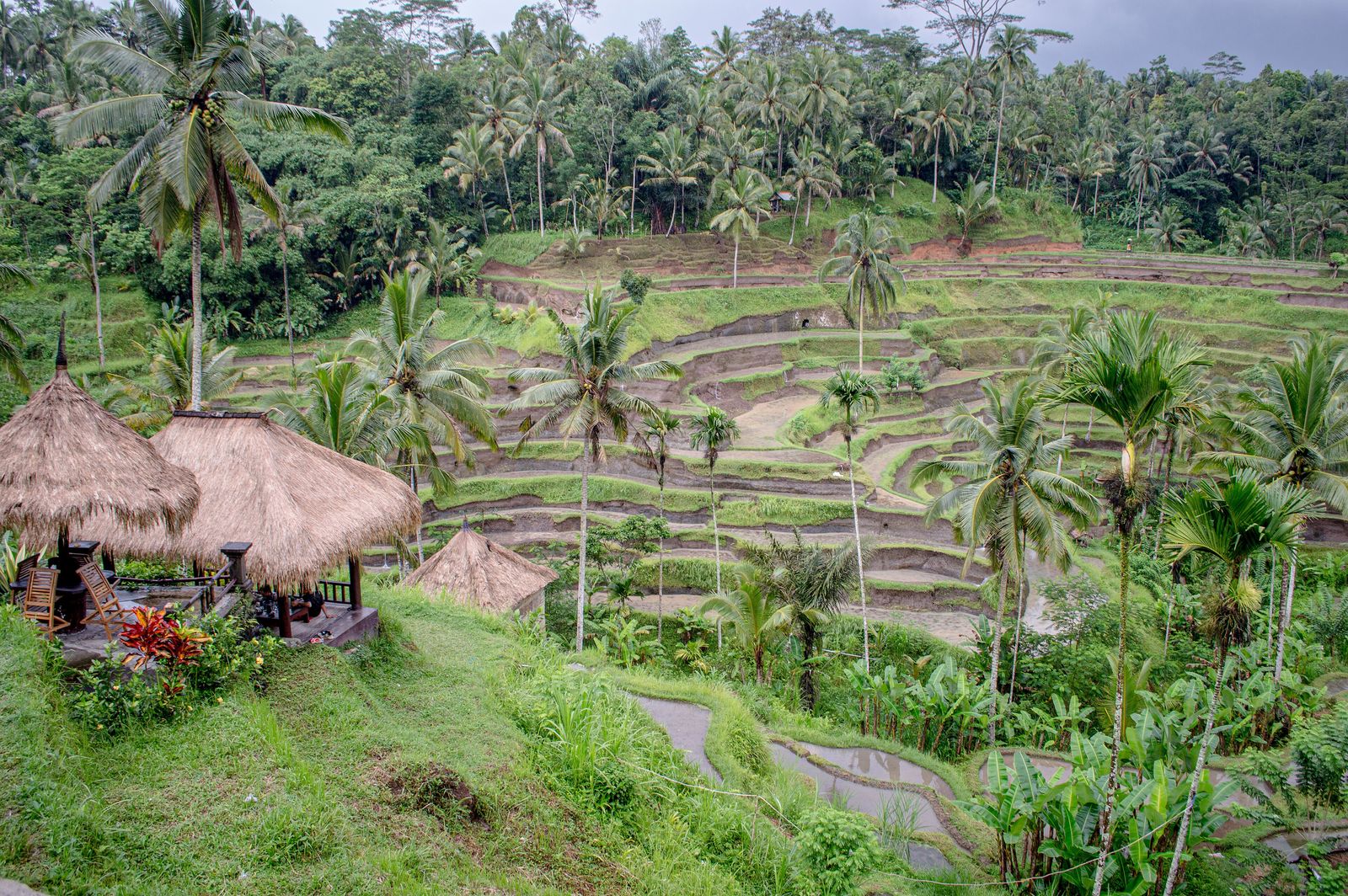 Photo: Philip Nalangan, CC BY 4.0
Bali Jungle Travel Guide
Everything you need to plan the interior of Bali — Ubud, Sidemen and the northern highlands — where to stay in the jungle, when to go and what it actually costs.
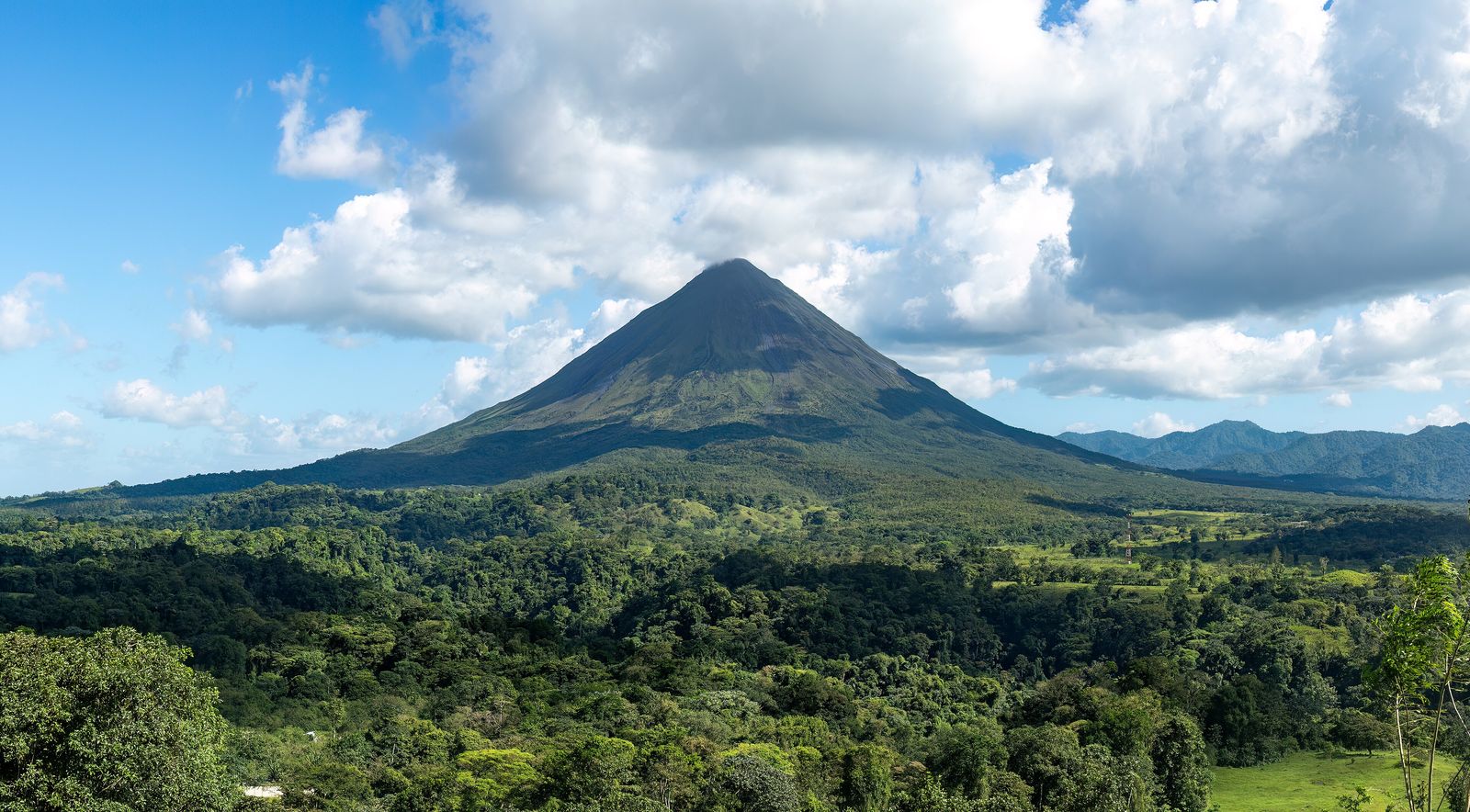 Photo: Rhododendrites, CC BY-SA 4.0
Costa Rica Rainforest Travel Guide
The definitive guide to Costa Rica's rainforests — cloud forest, Pacific lowlands and the wild Osa Peninsula — with where to stay and when to go.
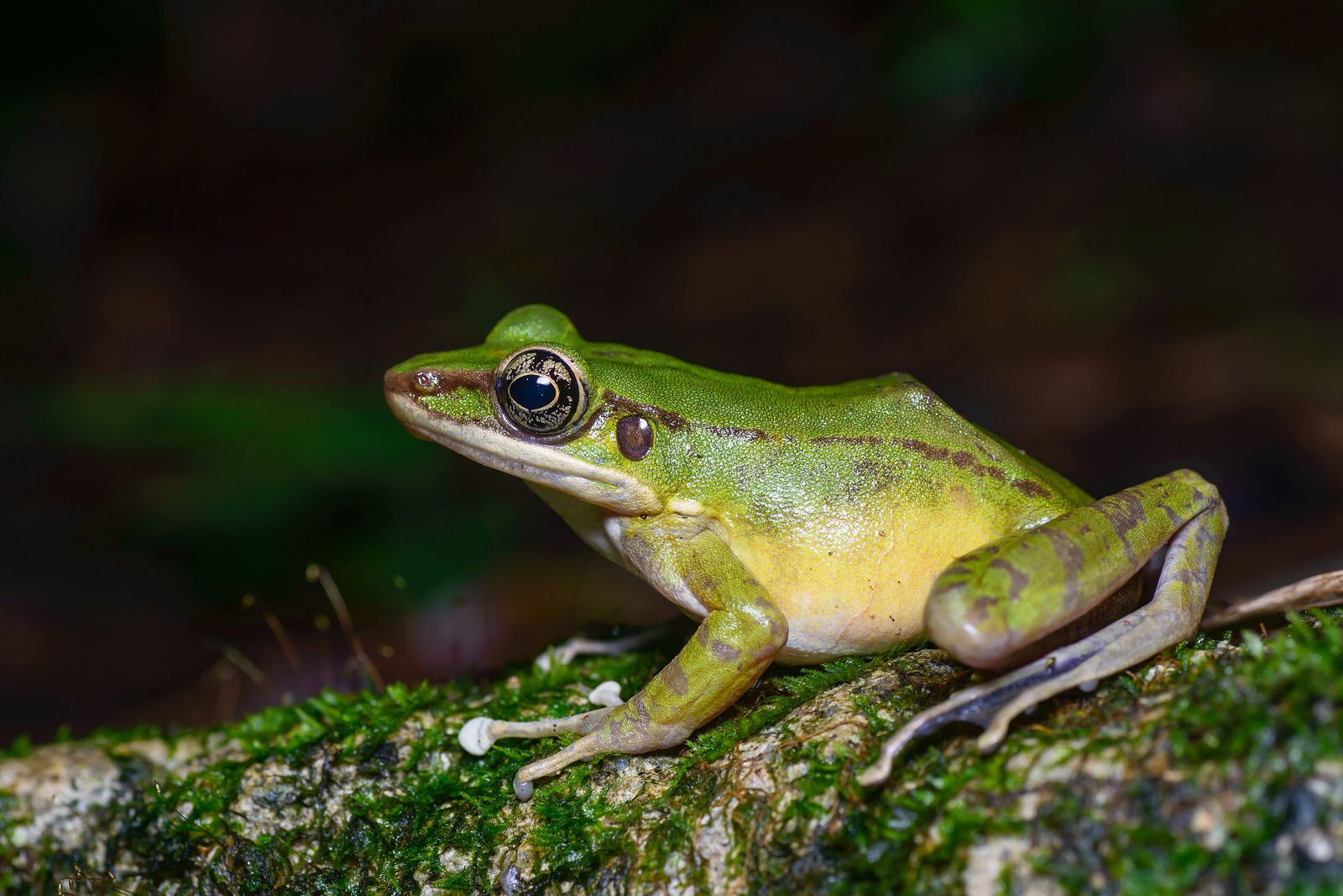 Photo: Rushenb, CC BY-SA 4.0
Thailand Jungle Travel Guide
Beyond the beaches: Khao Sok's ancient rainforest, the northern hills around Chiang Mai and the karst jungle of the south.
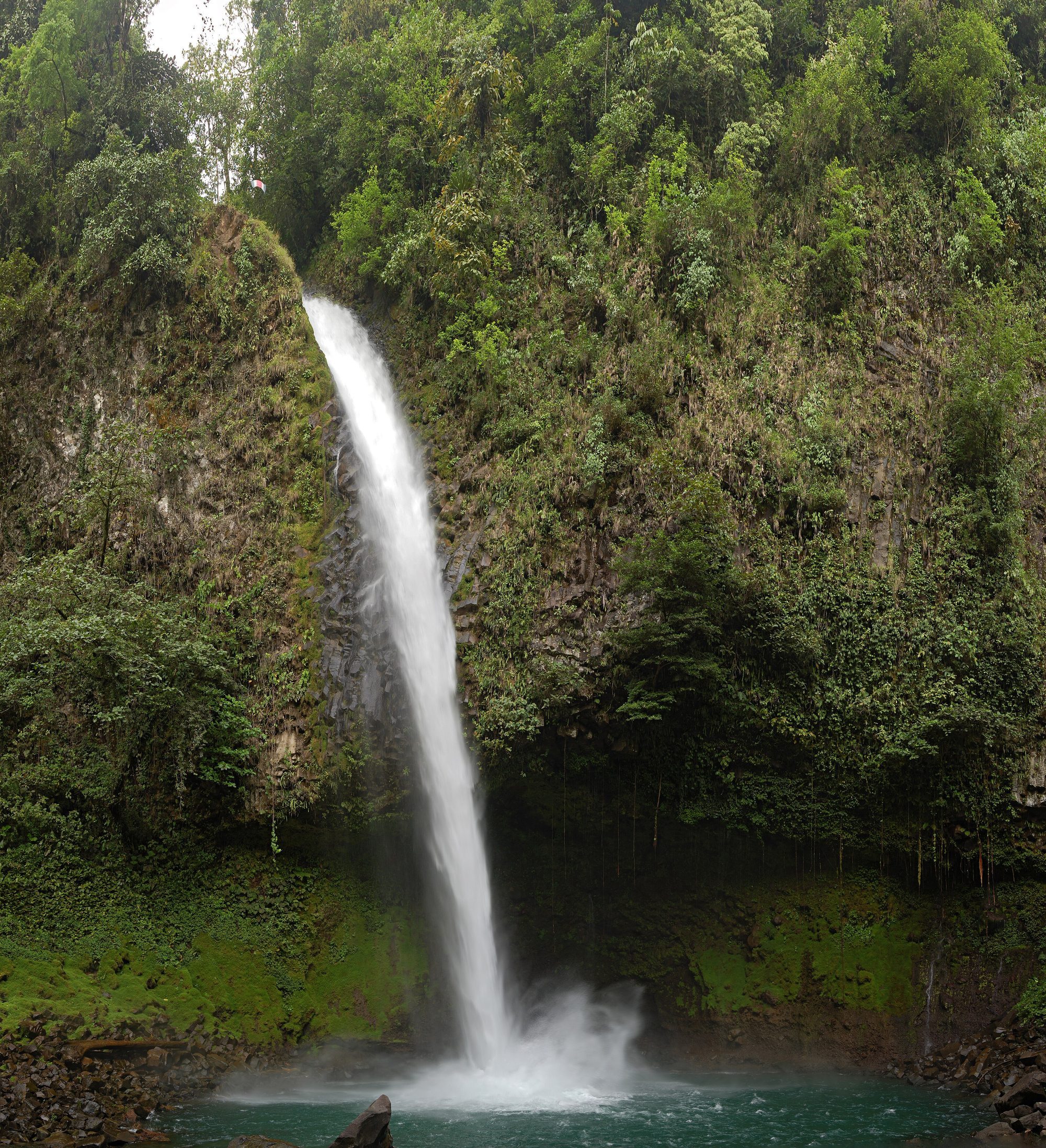 Photo: Derek Ramsey (Ram-Man), CC BY-SA 4.0
Find your own piece of the canopy.
Treehouses, bamboo houses and rainforest villas across 17 destinations — found, vetted and written up honestly.
Browse all destinations