
Sumatra Group Protects Crops From Elephants With Citrus Fences
A women-led farming group in Sumatra's Tesso Nilo National Park buffer zone employs natural citrus tree fences to reduce conflict with Sumatran elephants, offering a gentler alternative.
In Sumatra, Indonesia, communities near Tesso Nilo National Park face frequent encounters with Sumatran elephants. Deforestation and oil palm expansion have removed more than three-quarters of the park's old-growth forest, pushing its approximately 150 elephants into contact with local farms. While some villagers elsewhere use poison bait or electric fences to keep elephants away, a different strategy is taking hold in Lubuk Kembang Bunga village.
The Batang Nilo Women’s Forest Farmer Group, known as Perbani, has championed an alternative method for protecting their crops. They construct dense fences made of citrus trees, which serve as a natural repellent for elephants. Ernita, a 33-year-old farmer and Perbani member, stated that before the citrus trees, elephants consistently ate their oil palm fruits. Since planting the trees, elephants have not consumed their crops, according to Ernita.
Beyond the citrus fences, Perbani also plants elephant-friendly fruit trees, such as jackfruit, cempedak, and stink beans, in other areas. This initiative was proposed by the Tesso Nilo National Park Foundation (YTNTN). Yuliantony, YTNTN’s executive director, noted that women's in-depth knowledge of local ecology is often overlooked in conservation efforts. A study by University of Riau researchers supports this, with lead author Mita Rosaliza stating that Perbani shows women are creative problem solvers in elephant conflicts.
Perbani empowers its more than 30 members through monthly classes focused on leadership skills. The group also operates a dedicated savings-and-loans scheme, allowing members to borrow funds for home repairs, children’s school expenses, and farming costs. In recognition of their work, Indonesia's forestry ministry granted Perbani official Wanawiyata Widyakarya status in 2024. This award acknowledges community organizations that successfully manage conservation and forestry-related enterprises and provide training to residents.
For jungle stay hosts and travelers, this initiative demonstrates how community-led conservation can foster coexistence with wildlife, influencing local ecology and potentially guiding responsible development practices.
- Mongabay — reported 3 September 2026. Read by the JungleBnB news desk.
Keep reading.
 Photo: Vyacheslav Argenberg, CC BY 4.0
Hanoi Considers 300-Hectare Ba Vi Safari Ecotourism Plan
Hanoi authorities are reviewing a proposal for a substantial 300-hectare safari and ecotourism project in the Ba Vi area, according to vietnamnet.vn.
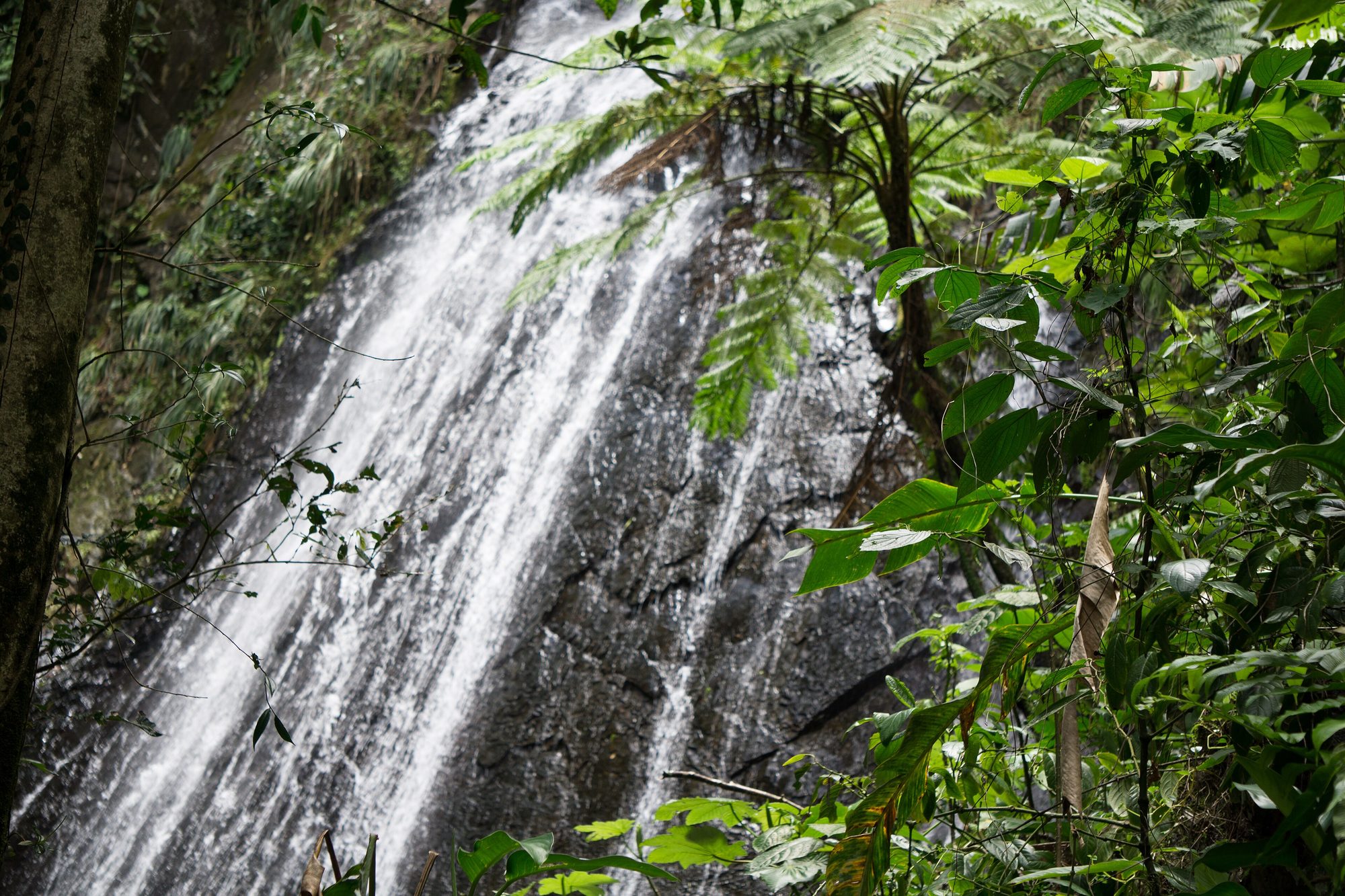 Photo: Jami430, CC BY-SA 4.0
Cornell Study Points to El Yunque Tourism Growth
A new study by Cornell University suggests potential for tourism development in areas surrounding Puerto Rico's El Yunque National Forest.
 Photo: Daria, CC BY 3.0
Bagh Tola Expands Bandhavgarh Stays with Luxury Founders Camp
Bagh Tola introduces a new luxury property, the Founders Camp, in Bandhavgarh, expanding its existing accommodation offerings in the region.
 Photo: Derek Ramsey (Ram-Man), CC BY-SA 4.0
Find your own piece of the canopy.
Treehouses, bamboo houses and rainforest villas — found, vetted and written up honestly.
Browse all destinations