EU Anti-Greenwashing Law Reshapes Travel Eco-Labels
Europe's Empowering Consumers for the Green Transition Directive is now active, tightening rules on sustainability claims and certifications across the travel sector.
Europe’s Empowering Consumers for the Green Transition Directive, known as EmpCo, recently took effect Sunday. This legislation is designed to crack down on unsubstantiated sustainability claims and protect European Union consumers. Its reach extends to companies based outside the economic bloc if they sell to EU consumers.
EmpCo bans vague environmental claims like “eco-friendly,” “green,” and “carbon neutral” when these claims are based on offsetting. It mandates that any claims about meeting future climate goals must be supported by clear plans. Furthermore, sustainability labels must now be based on relevant certification verified by a third party or established by a public authority. The directive covers comparison tools and eco-labels used on hotels.
Sustainability chiefs in the travel and tourism industry have welcomed the new law, stating it brings greater transparency and consistency. They anticipate a reduction in the number of eco-labels, as many existing programs measure different things and may not meet the higher standards. Booking.com, for instance, shut its Travel Sustainable program in 2024 after the Dutch consumer regulator raised concerns it could be misleading, according to Skift. Green Key has also moved to an audit-based accreditation process and asked its certified hotels to review their claims.
The European Commission has cited Nordic Swan, Blue Angel, the Austrian Ecolabel, and the Dutch Ecolabel as examples of compliant labels. Hilton states its LightStay data platform keeps it comfortable with the changes, though internal data alone cannot support marketing claims at an individual hotel. Airlines also face adjustments, with Abra Group indicating carriers are shifting toward explaining lifecycle emissions reductions and production pathways instead of making broad sustainability claims for aviation fuel.
For jungle stay hosts, this means a clearer focus on verifiable, transparent sustainability practices; for travelers, it promises more reliable information about a stay's environmental impact.
- Skift — reported 29 September 2026. Read by the JungleBnB news desk.
Keep reading.
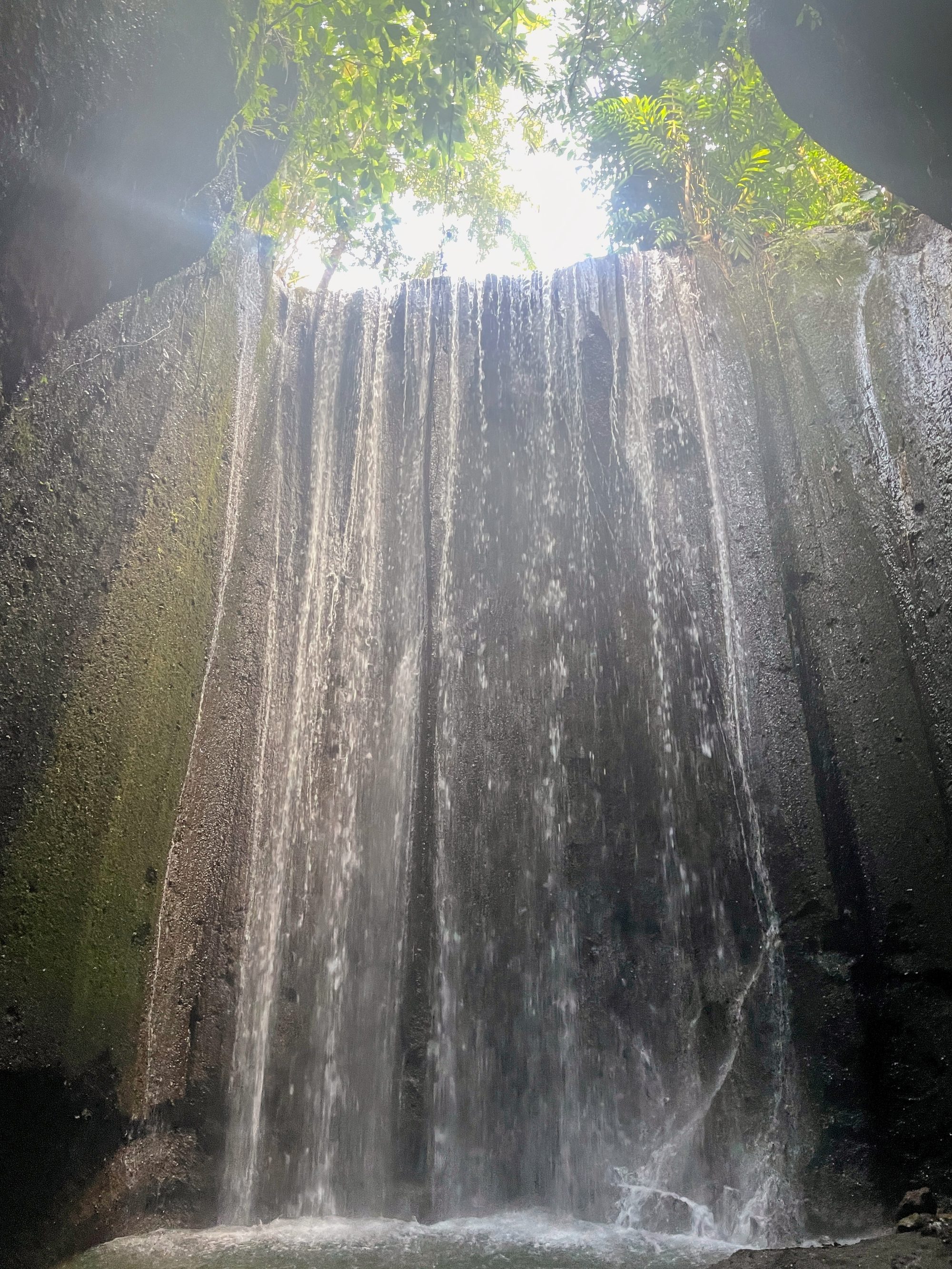
 Photo: Vyacheslav Argenberg, CC BY 4.0
Hanoi Considers 300-Hectare Ba Vi Safari Ecotourism Plan
Hanoi authorities are reviewing a proposal for a substantial 300-hectare safari and ecotourism project in the Ba Vi area, according to vietnamnet.vn.
 Photo: Jami430, CC BY-SA 4.0
Cornell Study Points to El Yunque Tourism Growth
A new study by Cornell University suggests potential for tourism development in areas surrounding Puerto Rico's El Yunque National Forest.
 Photo: Daria, CC BY 3.0
Bagh Tola Expands Bandhavgarh Stays with Luxury Founders Camp
Bagh Tola introduces a new luxury property, the Founders Camp, in Bandhavgarh, expanding its existing accommodation offerings in the region.
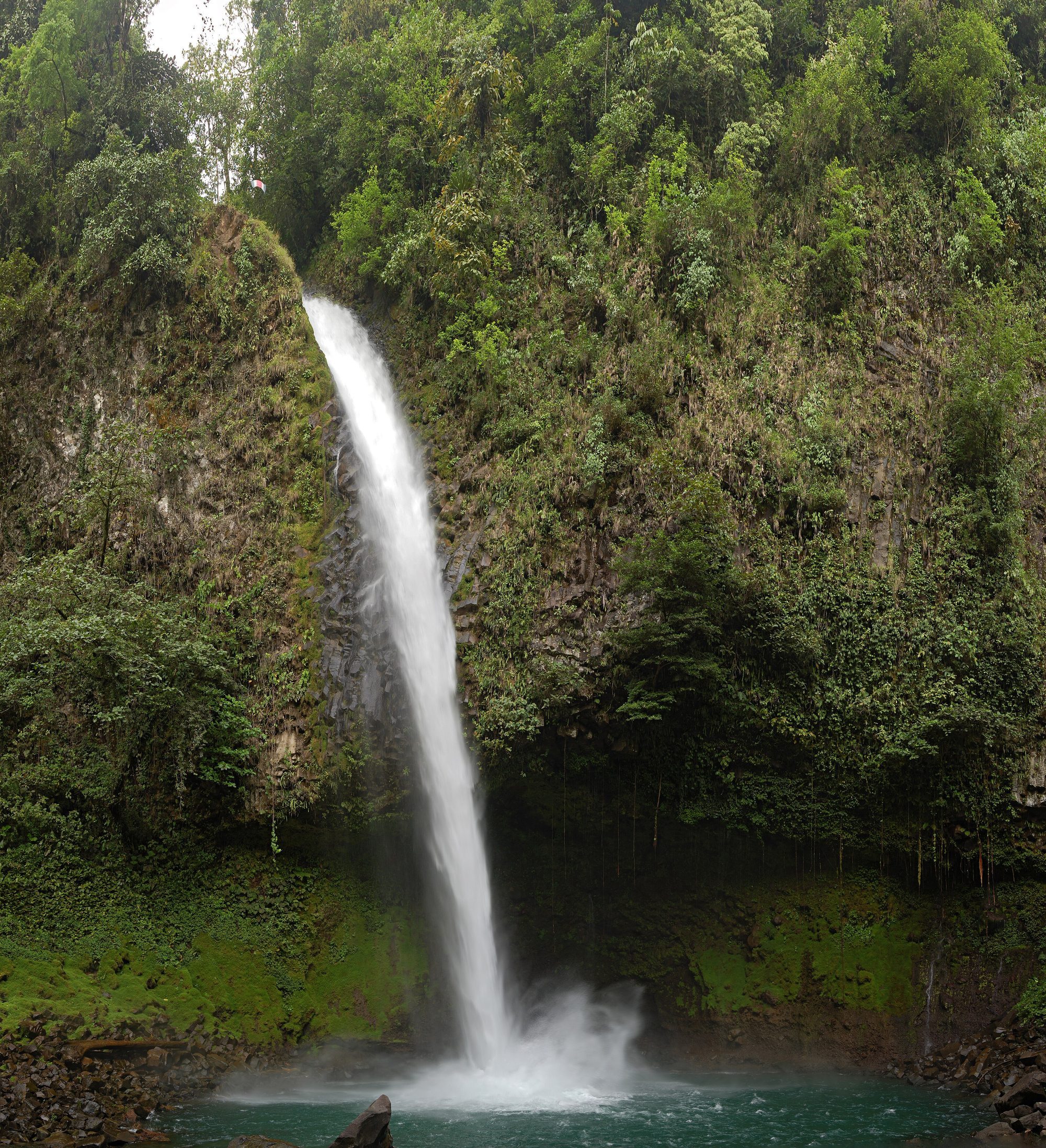 Photo: Derek Ramsey (Ram-Man), CC BY-SA 4.0
Find your own piece of the canopy.
Treehouses, bamboo houses and rainforest villas — found, vetted and written up honestly.
Browse all destinations