
Amazon Deforestation Alerts Fall to Lowest Level Since 2013
New satellite data from Brazil shows a significant drop in forest clearing across the Amazon, coinciding with renewed environmental enforcement efforts.
Deforestation alerts in the Brazilian Amazon have fallen to their lowest level in 13 years, according to new satellite data. Brazil’s National Institute for Space Research (INPE) reported that its DETER alert system detected 2,874 square kilometers of deforestation between August 1, 2025, and July 31, 2026. This represents a 36% decrease from the previous 12-month period and is 55.6% below the average recorded over the preceding decade.
The total area flagged by DETER is the lowest since 2013, when earlier data from the system’s predecessor were included. If these findings are confirmed by INPE’s higher-resolution PRODES system, Brazil could record its lowest official Amazon deforestation rate since monitoring efforts began in 1988.
This decline coincides with increased environmental enforcement under President Luiz Inácio Lula da Silva, who took office in 2023. According to Mongabay, his administration has intensified enforcement operations, strengthened monitoring protocols, and renewed efforts to protect Indigenous territories. The government has also pursued agreements with municipalities identified as deforestation hotspots, aiming to meet Brazil's pledge to eliminate illegal deforestation by 2030.
Similar reductions in deforestation alerts were observed in other Brazilian biomes. The Cerrado, a tropical savanna, recorded 5,119 square kilometers of alerts, a 7.8% drop from the previous year and its lowest total in five years. PRODES data for August 2024 through July 2025 showed deforestation declines in the Caatinga (34.3% reduction to 2,290 sq km), the Atlantic Forest (15.3% reduction to 402 sq km), and the Pampa (41.7% reduction to 305 sq km).
Beyond Clear-Cutting Metrics
While the reduction in clear-cutting is notable, the Amazon still faces threats. Forest degradation, logging, drought, and fires can cause significant ecological damage without immediately appearing in deforestation statistics. These issues can diminish carbon storage, reduce biodiversity, and make forests more susceptible to future droughts and fires. The 2023-24 drought, for instance, showed increased fire and ecological damage even as areas of complete clearing decreased.
DETER functions as a rapid-response tool for enforcement agencies, identifying new forest clearing for immediate investigation. PRODES, however, provides Brazil's official annual deforestation rate. Independent monitoring organizations, such as the Brazilian nonprofit Imazon, have also reported declining forest clearing in recent years, aligning with the DETER findings.
For jungle stay operators and travelers, these figures suggest a more stable environmental context in parts of the Amazon, though broader forest health issues remain a concern.
- Mongabay — reported 9 August 2026. Read by the JungleBnB news desk.
Keep reading.
 Photo: Vyacheslav Argenberg, CC BY 4.0
Hanoi Considers 300-Hectare Ba Vi Safari Ecotourism Plan
Hanoi authorities are reviewing a proposal for a substantial 300-hectare safari and ecotourism project in the Ba Vi area, according to vietnamnet.vn.
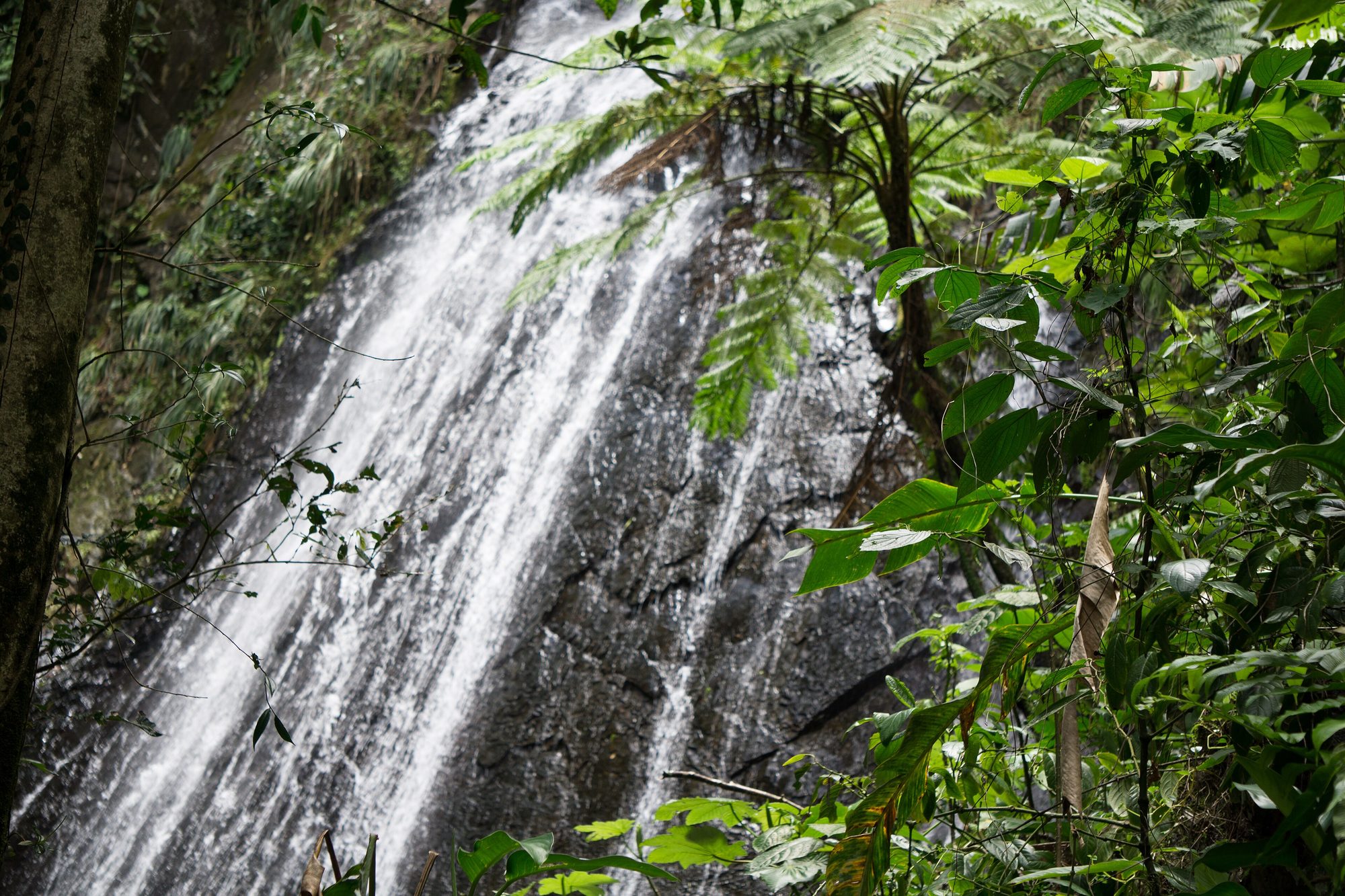 Photo: Jami430, CC BY-SA 4.0
Cornell Study Points to El Yunque Tourism Growth
A new study by Cornell University suggests potential for tourism development in areas surrounding Puerto Rico's El Yunque National Forest.
 Photo: Daria, CC BY 3.0
Bagh Tola Expands Bandhavgarh Stays with Luxury Founders Camp
Bagh Tola introduces a new luxury property, the Founders Camp, in Bandhavgarh, expanding its existing accommodation offerings in the region.
 Photo: Derek Ramsey (Ram-Man), CC BY-SA 4.0
Find your own piece of the canopy.
Treehouses, bamboo houses and rainforest villas — found, vetted and written up honestly.
Browse all destinations